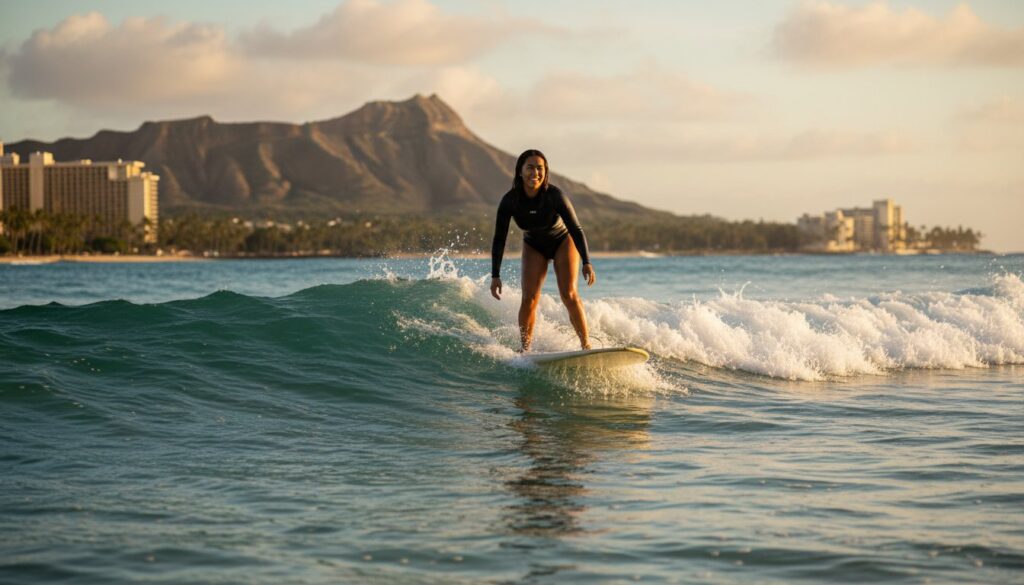
Surfing lessons in Hawaii open the door to one of the most thrilling ways to experience the ocean, whether you’ve never touched a surfboard or you already know how to paddle. Every year, thousands of visitors and locals head to the islands’ warm, forgiving waves to learn from experienced instructors. In this guide, you’ll discover exactly what to expect, how much surfing lessons in Hawaii typically cost, which islands offer the best breaks for beginners, and how to choose a surf school that matches your goals — all in far more depth than a typical booking page can offer. Learn surfing in Hawaii
Quick Answer: Surfing lessons in Hawaii are beginner-friendly, instructor-led sessions that combine beach safety training with hands-on coaching in the water. Most first-timers can stand up and ride a small wave within their very first 90-minute session, especially on gentle breaks like those found on Oahu’s south shore. However, the right school, the right beach, and the right season all make a measurable difference in how quickly you progress.
What Are Surfing Lessons in Hawaii?
Surfing lessons in Hawaii are structured, guided sessions where a certified instructor teaches the fundamentals of catching and riding waves. Typically, a lesson starts on the sand with a briefing on ocean safety, board handling, and the pop-up motion — the quick movement from lying down to standing that every surfer must master. From there, students paddle out with their instructor to practice in real, live waves rather than a simulator or pool.
In particular, Hawaii is considered the birthplace of modern surfing. According to Wikipedia’s history of surfing, Native Hawaiians were riding waves for sport and ceremony centuries before the practice spread worldwide. As a result, learning to surf here carries a cultural weight that few other destinations can match. If you’d rather start with the broader fundamentals before diving into specifics, this complete beginner’s guide to surfing lessons in Hawaii is a great companion resource.

Personalized coaching helps beginners feel confident during their first surfing lessons in Hawaii.
Why Hawaii Is the World’s Best Place to Learn to Surf
Hawaii’s warm water, consistent swells, and wide variety of beginner-friendly breaks make it an ideal place to learn. For example, spots like Waikiki Beach on Oahu offer soft, slow-rolling waves that are perfect for first-timers. See Surfing lessons in Honolulu. Meanwhile, more experienced surfers can progress to steeper breaks on the North Shore once they build confidence and technique.
Above all, the year-round tropical climate means there is rarely a bad time to book a lesson. If you are curious about seasonal timing, this guide on year-round surf lessons breaks down what to expect each season in detail.
Best Islands for Surfing Lessons in Hawaii
Not all islands are created equal when it comes to learning to surf. Oahu is the most popular choice thanks to Waikiki’s long, gentle rollers, but Maui and Kauai both offer excellent learner-friendly beaches too, particularly on their south and west shores during summer months. See Surf lessons on Oahu. Consequently, the “best” island really depends on your travel plans, the season, and how much beach traffic you’re comfortable with.
- Oahu: Waikiki’s forgiving, slow-breaking waves make it the top pick for absolute beginners.
- Maui: Beaches like Kihei and Lahaina offer calm, sandy-bottom breaks ideal for first-timers.
- Kauai: Poipu Beach provides warm, gentle surf away from the bigger crowds of Oahu.
- Big Island: Kahaluu Bay offers protected, reef-sheltered waters that suit nervous beginners well.
If you’re still weighing where to book, this resource on finding the best surf lesson locations near you compares specific beaches side by side, while this related guide on discovering top-rated surf schools across the islands digs into instructor quality and student reviews.
How to Choose the Best Surf School in Hawaii
Not every surf school offers the same level of instruction, so it helps to know what separates a great one from a mediocre one. Consequently, prioritize schools with certified instructors, small class sizes, and strong safety records. In addition, read recent reviews and ask about instructor-to-student ratios before booking anything.
Certification matters more than most beginners realize. For instance, organizations like the International Surfing Association (ISA) set global standards for surf coaching credentials, and reputable Hawaiian schools train their instructors to those benchmarks. Star Beach Boys, for instance, provides personalized guidance from experienced coaches who focus on building skills progressively while keeping safety at the forefront of every session.
For a full breakdown of what a lesson day looks like, this complete overview of Hawaii surf lessons is a helpful next read, and if you want curated recommendations, check out these recommended places to take surf lessons in Hawaii for a shortlist of trusted options.
Questions to Ask Before You Book
- Are the instructors certified, and how many years of experience do they have?
- What is the maximum number of students per instructor during group lessons?
- Is all equipment — board, rash guard, and leash — included in the price?
- What happens if ocean conditions turn unsafe on the day of your lesson?
What to Expect During Your First Surf Lesson
Understanding the flow of a typical lesson can ease first-time nerves considerably. Below is a step-by-step breakdown of what usually happens from start to finish.
- Meet your instructor and review safety basics. Before you touch the water, your instructor walks you through ocean conditions, rip currents, wave etiquette, and hand signals so you feel prepared and confident.
- Practice standing up on the sand. Your instructor demonstrates the pop-up motion repeatedly on dry sand until your body remembers the sequence of feet, hands, and balance needed on a moving board.
- Paddle out to the lineup. With your instructor guiding you through the whitewater, you paddle steadily toward the calmer water where waves begin to break, conserving your energy along the way.
- Catch and ride your first wave. Your instructor positions your board at the ideal angle, gives you a firm push, and calls out the exact moment to pop up and ride toward shore.
- Review technique and repeat the process. After each wave, your instructor offers specific feedback on your stance, timing, and balance so every attempt after that becomes smoother and more confident than the last.
Cost of Surfing Lessons in Hawaii
Pricing for surf lessons varies depending on group size, lesson length, and location. Generally, group lessons start around $75 per person, while private, one-on-one coaching can run $150 to $250 or more per session. Therefore, it pays to compare options carefully before booking, since the cheapest listing isn’t always the best value.
- Group lessons: Roughly $75–$120 per person, shared with three to six other students.
- Semi-private lessons: Roughly $100–$180 per person, shared with just one or two others.
- Private lessons: Roughly $150–$250+, with one instructor dedicated entirely to you.
- Multi-day packages: Often discounted per session when booking three or more lessons together.
For a detailed price breakdown, check this surf lesson cost guide or this full pricing comparison for a closer look at what different schools charge across the islands.
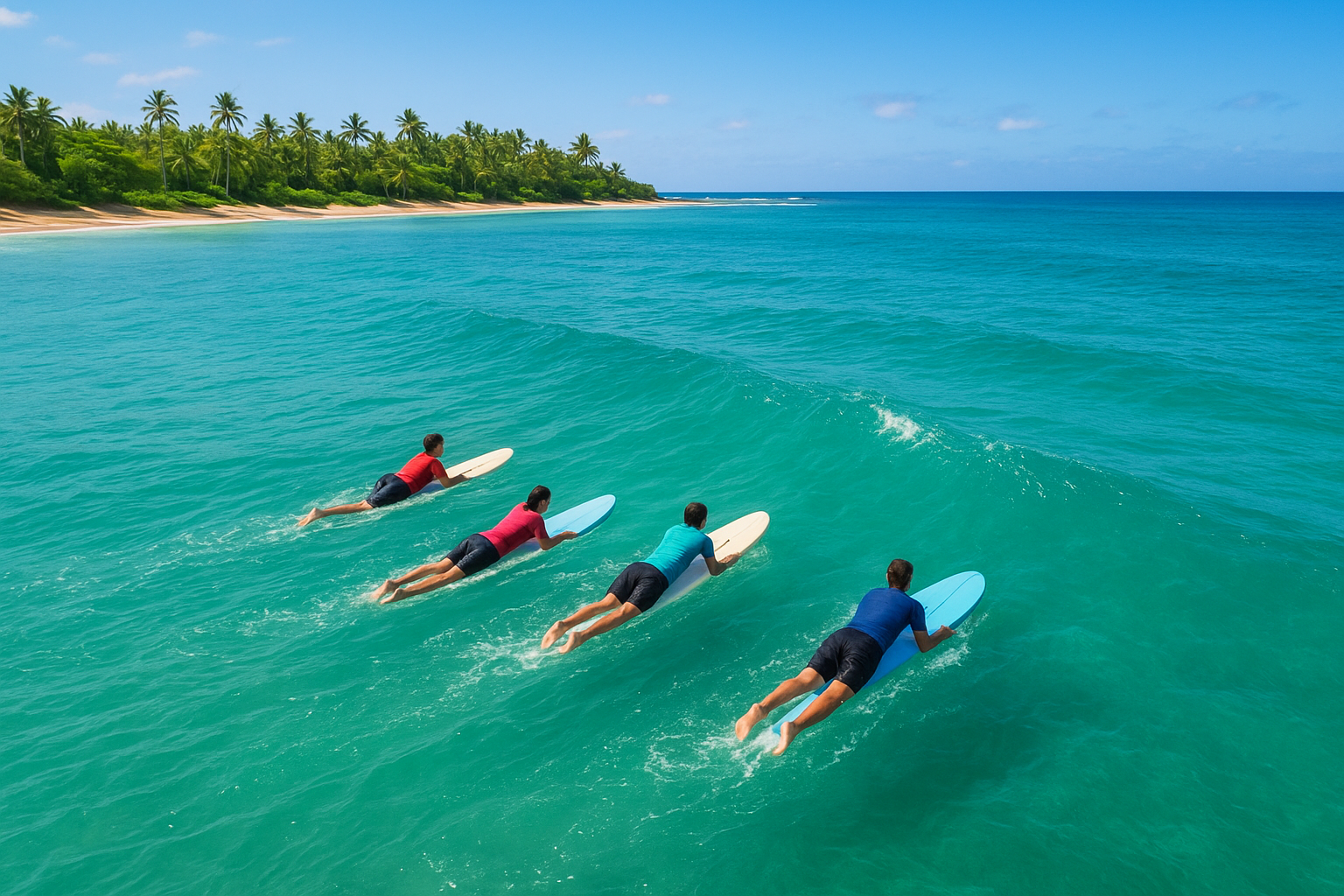
Group sessions bring a shared sense of accomplishment to learning how to surf.
Group vs Private Surf Lessons in Hawaii
Group lessons are budget-friendly and social, making them a great fit for families or friends learning together. In contrast, private lessons offer undivided instructor attention, which often speeds up progress for solo learners or those with very specific goals, such as preparing for a surf trip elsewhere.
Similarly, semi-private lessons strike a balance between cost and personalization, splitting an instructor’s attention between just two students. If you’re deciding between formats, this guide to group surf lessons in Hawaii explains the benefits of learning alongside others in far more detail.
Best Time of Year for Surf Instruction in Hawaii
Summer months typically bring smaller, gentler south shore swells that are ideal for beginners on islands like Oahu. Winter, however, delivers larger surf on north-facing shores, which is better suited to more advanced riders. Consequently, instructors adjust beach selection based on the season and each student’s ability, so a lesson booked in December looks different from one booked in July.
Advancing Beyond Beginner Surfing Lessons in Hawaii
Once you can consistently catch whitewater waves and stand for a few seconds, it’s time to think about the next level. Turning, reading unbroken waves, and paddling into the lineup on your own are all skills that separate beginners from intermediate surfers. For a structured path forward, this guide to intermediate surfing classes in Hawaii outlines exactly how to level up fast once the basics feel natural.
Safety Considerations for Surfing Lessons in Hawaii
Ocean safety should always come first. In fact, the National Oceanic and Atmospheric Administration (NOAA) reports that rip currents cause more than 100 deaths in U.S. waters each year, underscoring why professional supervision matters so much for beginners. Reputable instructors are trained to read conditions and choose safe locations for every skill level, rather than defaulting to the same spot regardless of swell size.
Furthermore, checking local advisories from Hawaii’s Department of Land and Natural Resources before heading to the beach adds another layer of preparedness. Above all, never surf alone as a beginner, and always follow your instructor’s guidance in the water — even if the wave in front of you looks tempting.
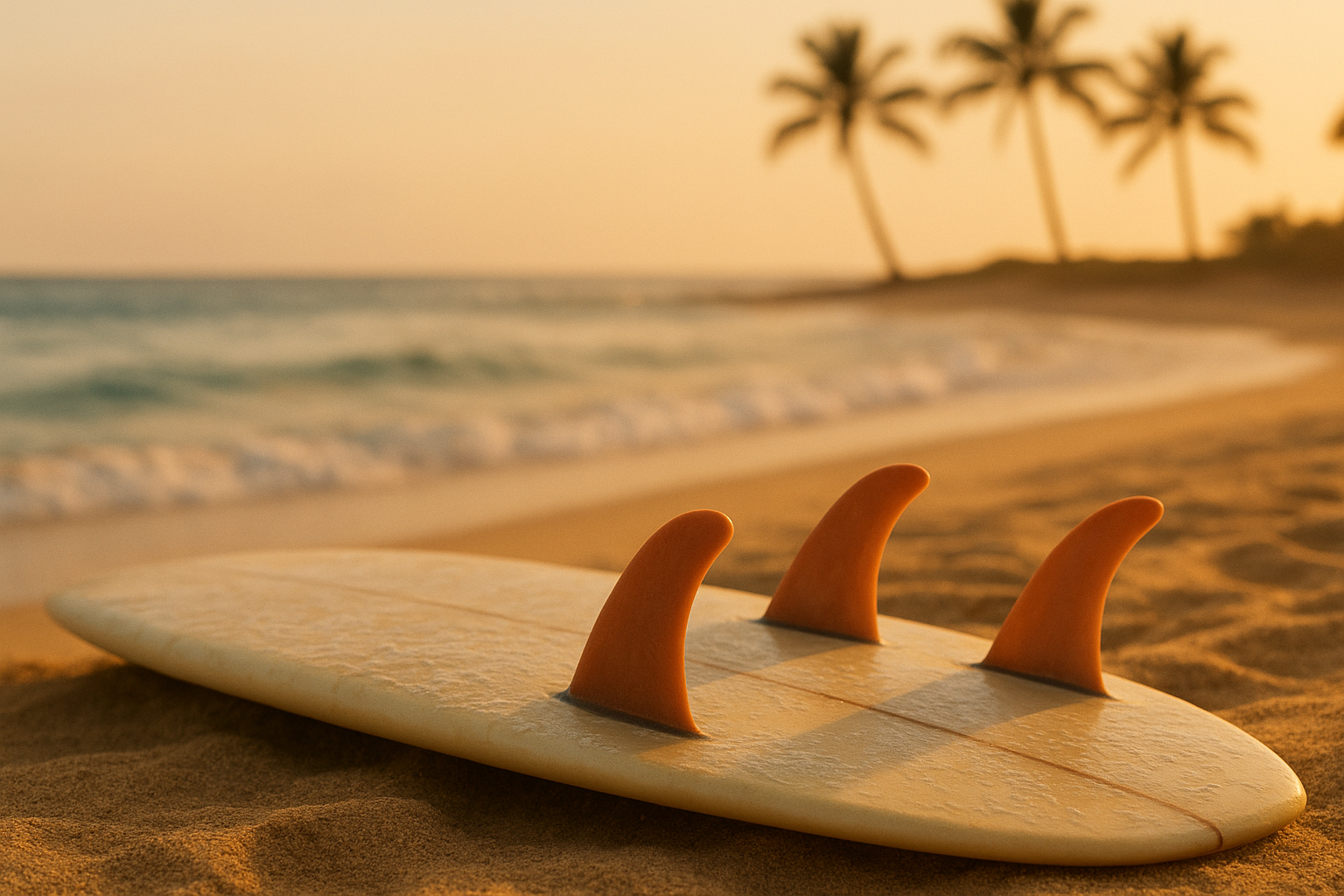
Quality equipment and proper preparation set the stage for a great lesson.
What to Bring to Your Surf Lesson
Bring swimwear, reef-safe sunscreen, a towel, and water to stay hydrated between paddling sessions. Most schools provide the surfboard, rash guard, and any other necessary equipment, so you shouldn’t need to buy gear before your first lesson. It’s also worth packing a light jacket for after the session, since ocean breezes can feel cool once you’re out of the water.
Booking Your Surfing Lessons in Hawaii: Practical Tips
Booking early is especially important during peak travel seasons, since popular time slots and top instructors fill up quickly. In addition, ask about cancellation and rescheduling policies before you pay, particularly if you’re traveling during a season prone to sudden weather changes.
- Book morning slots when possible — winds are typically calmer and the water is glassier.
- Confirm whether photos or video of your lesson are included, since many schools now offer this.
- Ask about age minimums and family package pricing if you’re booking with children.
- Arrive 15 minutes early to complete waivers and get properly fitted for equipment.
Frequently Asked Questions About Surfing Lessons in Hawaii
What are surfing lessons in Hawaii?
Surfing lessons in Hawaii are guided instructional sessions where certified coaches teach students how to paddle, stand up, and ride ocean waves safely. They typically combine beach-based training with in-water coaching tailored to the student’s skill level.
How much do surfing lessons in Hawaii cost?
Prices generally range from around $75 for group lessons to $200 or more for private instruction. Costs vary based on lesson length, group size, and the island or beach location.
How long does a typical surf lesson last?
Most surf lessons in Hawaii run between 90 minutes and two hours. This gives beginners enough time to learn ocean safety, practice on the sand, and catch several waves.
What is the best age to start surfing lessons in Hawaii?
Children as young as five can often begin with instructor supervision, while there is no upper age limit for beginners. Instructors adjust technique and wave selection based on age and comfort level.
Do I need to know how to swim to take surfing lessons in Hawaii?
Basic swimming ability is recommended, though most beginner lessons take place in shallow, gentle waves. Instructors closely supervise students who are less confident in the water.
What should I bring to my first surf lesson?
Bring swimwear, sunscreen, a towel, and water to stay hydrated. Most schools provide the surfboard, rash guard, and any other necessary equipment.
Are surfing lessons in Hawaii available year-round?
Yes, surfing lessons in Hawaii run year-round thanks to the islands’ mild climate and varied surf breaks. However, wave conditions shift seasonally, so instructors choose beaches suited to the time of year.
What is the difference between group and private surf lessons?
Group lessons are more affordable and social, with several students sharing an instructor’s attention. Private lessons cost more but offer personalized coaching and faster skill progression.
What common mistakes do beginners make when learning to surf?
Common mistakes include standing up too quickly, looking down at the board instead of ahead, and paddling too far back from the wave’s peak. A qualified instructor helps correct these habits early.
How many lessons does it take to learn to surf?
Most beginners can stand and ride small waves after just one or two lessons. Consistent practice over three to five sessions typically builds real confidence and control.
Which Hawaiian island is best for surf lessons?
Oahu is especially popular for beginner surf lessons because of its gentle, predictable waves at spots like Waikiki. Maui and Kauai also offer excellent learner-friendly breaks. For a deeper walkthrough, see our Surfing in Waikiki: The Ultimate Beginner’s Guide [2026].
Is it safe to take surfing lessons in Hawaii?
Surfing lessons in Hawaii are generally safe when led by trained instructors who monitor ocean conditions closely. Choosing a reputable school with certified coaches significantly reduces risk.
Can I take surfing lessons in Hawaii if I’m out of shape or older?
Yes, most beginner lessons are designed for all fitness levels and ages. Instructors select calmer beaches and shorter paddling distances so that comfort and safety always come first.
What’s the typical cancellation or rescheduling policy for surf lessons?
Most reputable schools offer free rescheduling if ocean conditions turn unsafe or weather changes suddenly. Always confirm the specific policy directly with your chosen school before booking.
Final Thoughts on Surfing Lessons in Hawaii
Ultimately, surfing lessons in Hawaii give beginners and returning surfers alike a safe, structured path to enjoying one of the world’s most rewarding water sports. Whether you choose a group session for a fun family outing or private coaching to sharpen your technique, the islands’ warm waves and experienced instructors make progress feel natural.
Before you book, take a moment to compare pricing, review seasonal timing, and pick a school that prioritizes safety and personalized instruction. To start planning your own ocean adventure, visit Star Beach Boys and take the first step toward confidently riding your first Hawaiian wave. This guide is produced by Star Beach Boys; include an author bio with credentials and a visible "Last updated" date on the page to strengthen trust and E-E-A-T. Last updated: 2026-07-27. Author: Star Beach Boys surf team.