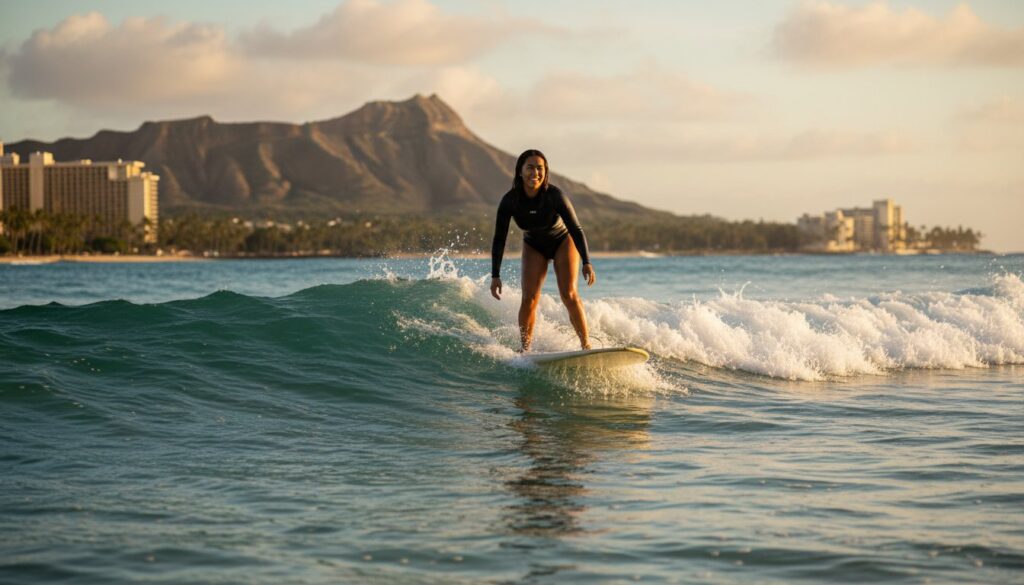
Surf lessons on Oahu give first-time visitors and lifelong locals the fastest, safest way to stand up on a board and ride real Hawaiian waves. Because the island’s south shore serves up gentle, slow-rolling swells almost every day of the year, Oahu has earned its reputation as the single best place on the planet to learn to surf. In this guide, you’ll find the exact beaches, schools, prices, and step-by-step process that separates a forgettable rental-board flop from a genuine first-wave breakthrough — plus the details most guides skip entirely, from tide timing to what happens if the surf is flat on your lesson day.
Quick Answer: Surf lessons on Oahu typically run 90 minutes to two hours, cost between $75 and $250 depending on group size, and are best taken at forgiving south shore spots like Waikiki surf lessons. Certified instructors handle equipment, safety, and technique, so most newcomers ride a wave standing up on their very first day — no prior swimming or board experience required.
What Are Surf Lessons on Oahu?
Oahu Surfing Lessons are guided ocean sessions where certified instructors teach paddling, balance, and wave-riding fundamentals inside a structured, safety-focused environment. Sessions usually begin on the sand, where students practice the pop-up motion — the quick transition from lying flat to standing — before ever touching the water.
Unlike renting a board and paddling out alone, a lesson gives you real-time feedback from someone reading the wave for you. As a result, most beginners stand up and ride a wave within their very first hour of instruction, something that can take weeks to figure out solo.
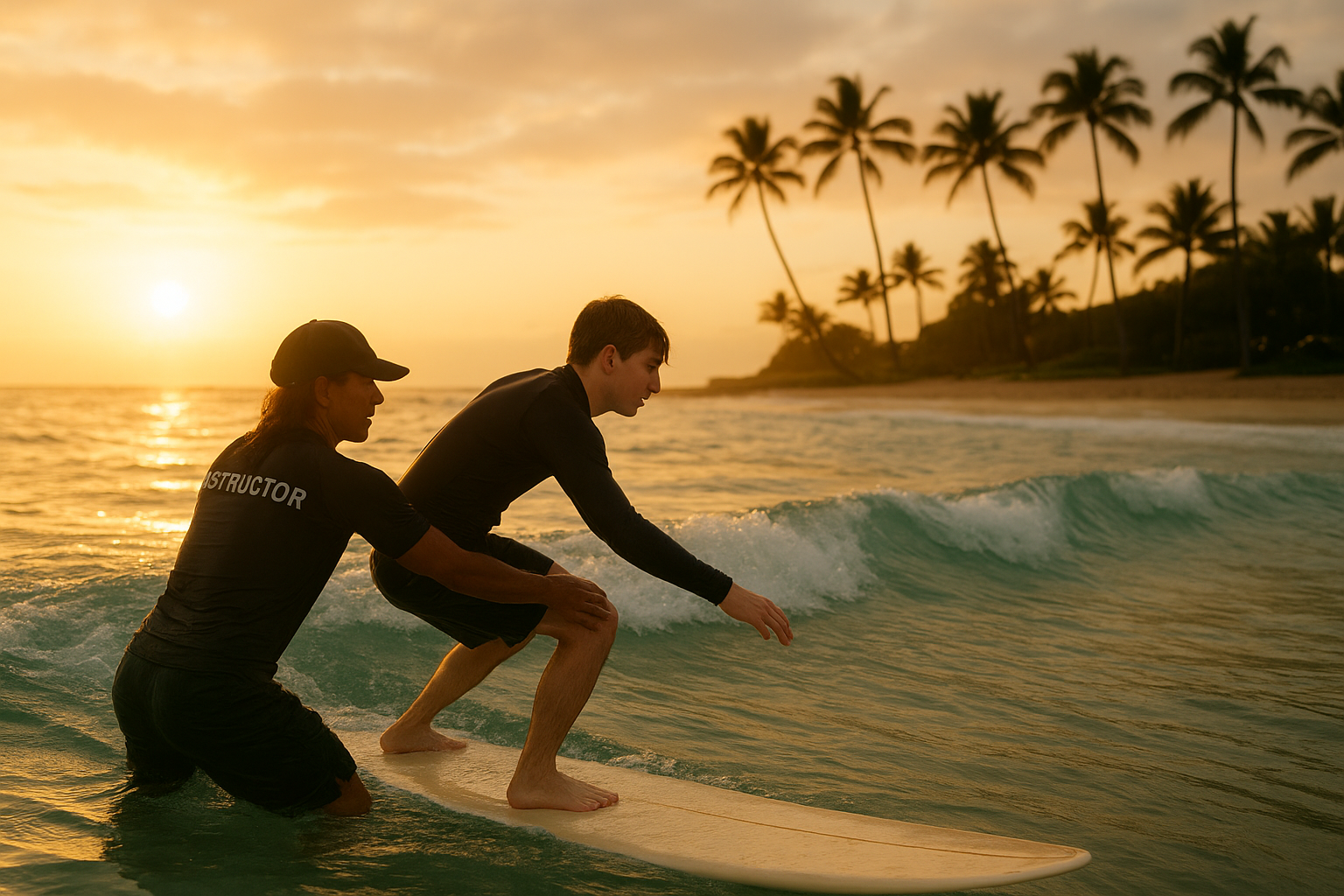
Certified instructors provide hands-on guidance throughout surf lessons on Oahu, helping beginners catch their first wave safely.
Why Learn to Surf on Oahu
Oahu is often called the birthplace of modern surfing, and its coastline still delivers some of the most consistent beginner conditions on earth. In particular, the south shore’s reef-protected breaks create waves that roll in slowly, giving new surfers extra time to react and stand up before the wave closes out.
Furthermore, the island’s warm water year-round means there’s rarely a bad time to try surfing for the first time. According to Wikipedia’s overview of surfing, Hawaii’s role in shaping the sport’s global culture makes learning here especially meaningful for many travelers. For a deeper walkthrough, see our Surf Lessons in Hawaii: The Complete Guide to Learning to Surf on Every Island.
North Shore vs. South Shore: Where Beginners Should Actually Surf
Many guides to Oahu surfing focus heavily on the North Shore — and for good reason, since it’s home to legendary breaks like Pipeline, Sunset Beach, and Waimea Bay. However, that same fame is exactly why the North Shore is the wrong place for your first lesson.
Why the North Shore Isn’t Beginner-Friendly (Most of the Year)
From roughly November through February, North Shore swells can exceed 20 feet, drawing professional big-wave surfers from around the world for events tied to the Vans Triple Crown of Surfing. Consequently, these breaks feature powerful shore-pound, shallow reefs, and strong currents that overwhelm even confident swimmers. No reputable school offers beginner lessons here during winter, and for good reason.
Can You Take Surf Lessons on the North Shore in Summer?
During summer months, the North Shore flattens out dramatically, and a handful of spots like Chun’s Reef and Laniakea can turn beginner-friendly. Even so, conditions there change quickly and unpredictably, so the south shore remains the more reliable, consistent choice for anyone taking their first surf lessons on Oahu — regardless of season.
Best Beaches for Surf Lessons on Oahu
Waikiki Beach remains the top choice for surf lessons on Oahu thanks to its long, gentle waves and sandy bottom, which reduce the risk of injury for first-timers. According to Wikipedia’s entry on Waikiki, the beach has hosted beginner surfers for over a century, making it one of the most time-tested learning grounds anywhere.
Other Excellent Beginner Spots on the South Shore
- White Plains Beach: A quieter, less crowded alternative near Ewa Beach with soft, rolling waves ideal for nervous first-timers.
- Kewalo Basin (Point Panic area): Close to Waikiki with mellow shoulder-high waves, often used by local surf schools on busier mornings.
- Makaha Beach: On the west side, Makaha turns into a gentle, sandy-bottom beginner wave during summer, though it’s better suited to those with a private instructor familiar with the break.
In contrast, as covered above, the North Shore’s famous winter swells attract experienced surfers and are not recommended for beginners. If you’d like a deeper breakdown of beach options, this guide on finding the best beach and school for you covers each spot in more detail.
How to Choose the Right Oahu Surf School
Above all, look for schools with certified instructors, small student-to-teacher ratios, and clear safety protocols. Many reputable schools train their instructors to standards similar to those set by the International Surfing Association (ISA), which outlines coaching and water-safety benchmarks used worldwide.
Certifications and Safety Standards to Look For
Specifically, ask whether instructors hold current CPR and lifeguard-level water rescue training, and whether the school carries liability insurance. Reviews and years of local experience are also strong indicators of quality instruction, since long-running schools tend to know exactly which sandbars and breaks shift with the seasons.
For a side-by-side comparison of established operators, this complete 2024 guide to choosing an Oahu surf school walks through what separates a great program from an average one.
Surf Lesson Options: Private, Semi-Private & Group Classes Compared
Additionally, consider whether you’d prefer a private, semi-private, or group setting, since each format changes the pace and attention you’ll receive. This resource on booking group surfing lessons on Oahu explains what to expect from a shared class experience, while our guide to surfing lessons on Oahu built around confidence-building breaks down what one-on-one coaching looks like.
| Lesson Type | Best For | Typical Price |
|---|---|---|
| Group (4-8 people) | Budget-conscious travelers, social learners | $75–$120 per person |
| Semi-Private (2-3 people) | Couples, families, small friend groups | $100–$160 per person |
| Private (1-on-1) | Nervous beginners, fast progress, flexible timing | $150–$250 per hour |
Step-by-Step: What to Expect During Your First Lesson
Most surf lessons on Oahu follow a similar structure. Here’s what typically happens, step by step:
- Check-in and safety briefing: Arrive early to meet your instructor, sign waivers, and receive a safety briefing covering ocean conditions, hand signals, and basic etiquette in the water.
- Land-based practice: Practice the pop-up technique on the sand, learning proper foot placement and balance before ever touching the water, which builds muscle memory quickly.
- Paddle out with guidance: Your instructor walks or paddles alongside you into the lineup, positioning your board correctly and timing your entry into gentle beginner waves.
- Catch your first waves: With hands-on support, the instructor pushes your board at the right moment so you can practice standing up and riding toward shore repeatedly.
- Cool-down and feedback: After multiple wave attempts, your instructor reviews what went well and offers specific tips for continued practice on your own or in future lessons.
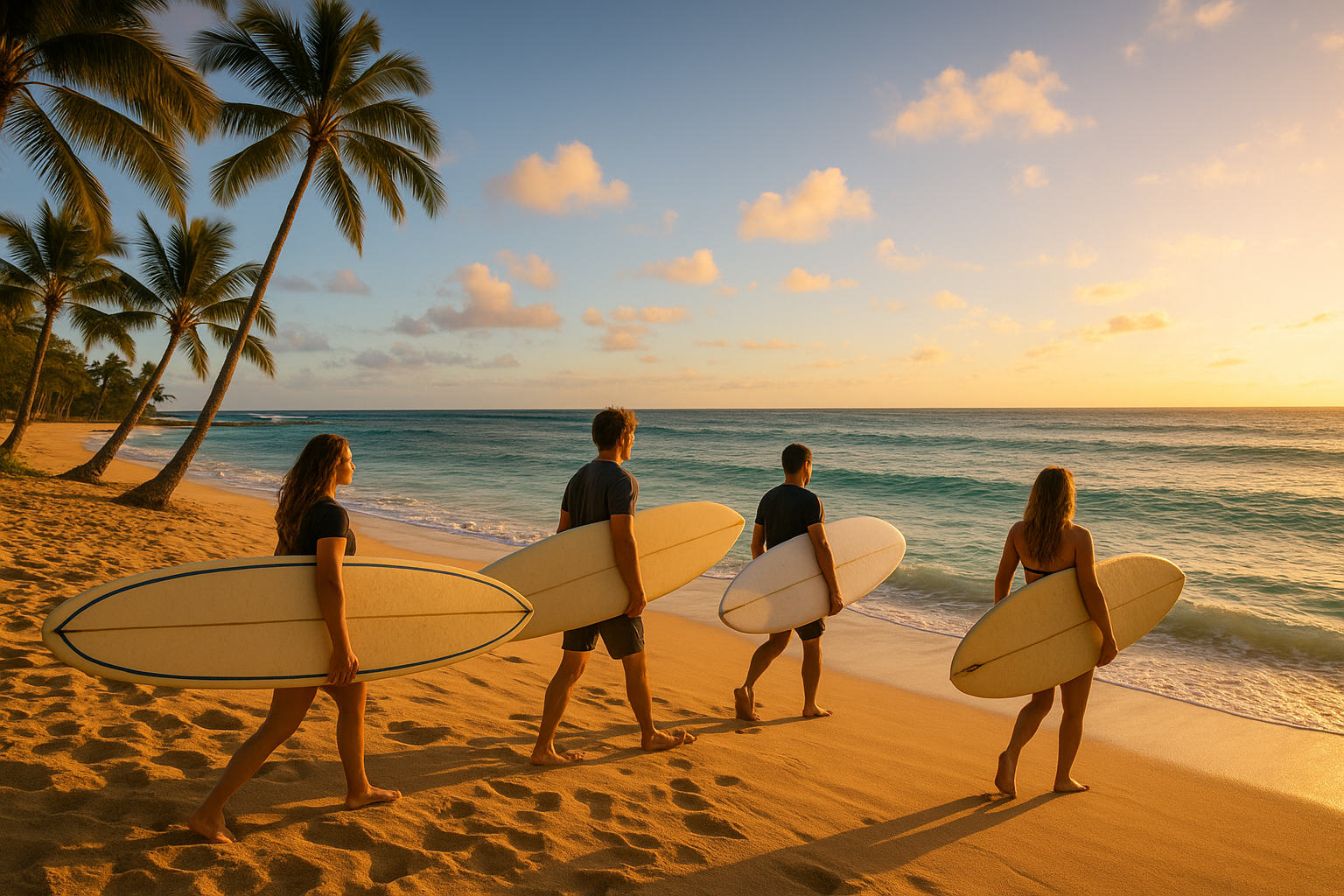
Group sessions are a popular and social way to take surf lessons on Oahu.
For a broader look at how a full session flows from start to finish, our guide on surfing lessons on Oahu and how to ride the waves walks through additional in-water coaching cues.
Cost of Surf Lessons on Oahu
Group lessons generally range from $75 to $120 per person, while private instruction often costs between $150 and $250 per hour. Consequently, families and groups of friends often save money by booking a shared class instead of individual sessions.
Safety remains a key part of that price. The National Oceanic and Atmospheric Administration (NOAA) notes that rip currents cause the majority of ocean rescues in coastal areas, which is exactly why professional supervision matters for anyone new to the water.
What to Wear and Bring to Your Surf Lesson
A well-fitted swimsuit or rash guard works best, since loose boardshorts can slip during a wipeout. Most schools supply a rash guard as part of the lesson, so you generally won’t need to buy one yourself.
Packing checklist: swimsuit or rash guard, reef-safe sunscreen, a towel, water bottle, a hat for after the lesson, and a change of clothes for the ride home.
Notably, most surf schools include boards, leashes, and often rash guards in the lesson price, which removes the need to purchase or rent gear separately before you arrive.
Best Time of Year and Time of Day for Surf Lessons on Oahu
Summer months, roughly May through September, bring the calmest south shore conditions and are widely considered ideal for beginners. During winter, south shore waves actually grow slightly, which can still work for lessons, but the trade-off is choppier wind patterns in the afternoon.
Why Morning Lessons Are Usually Better
Trade winds typically pick up by early afternoon, which roughens the water’s surface and makes waves harder to read. Therefore, most schools schedule beginner sessions between 7 a.m. and 11 a.m., when the ocean is glassy and calm. If you want to check conditions yourself before booking, NOAA’s tide and current data for Honolulu surf guide gives a reliable snapshot of what to expect.
Ocean Safety and Surf Etiquette for Beginners
Even on a gentle beginner wave, a few etiquette basics keep everyone safe. Specifically, never drop in on a surfer already riding a wave, always hold onto your board in crowded lineups, and listen closely when your instructor calls out directions.
In addition, be mindful of the reef beneath you. Wearing reef-safe sunscreen protects both your skin and Hawaii’s marine ecosystems, as recommended by Hawaii’s Department of Land and Natural Resources. Above all, if you ever feel pulled offshore, stay calm, raise an arm, and swim parallel to the beach rather than fighting the current directly.
Tips for Getting the Most From Your Lesson
First, arrive well-rested and hydrated, since balance and reaction time both improve with adequate energy. Second, eat a light meal beforehand — surfing burns more energy than most people expect.
Finally, ask questions throughout your lesson. Instructors expect curiosity, and clarifying instructions in the moment often leads to faster progress. For more spot-specific advice, check out this guide to the best surf spots and tips on Oahu.
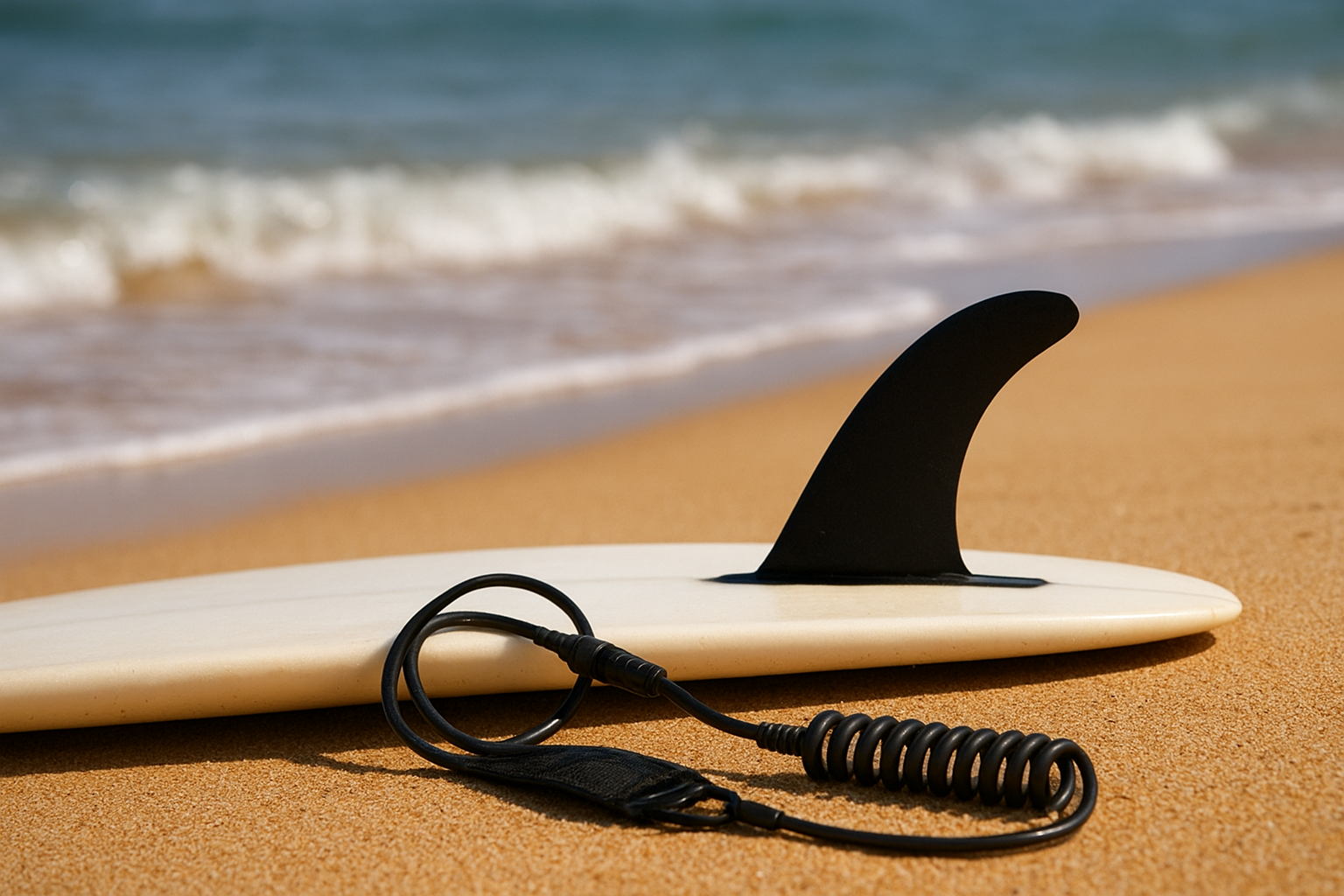
Most schools include boards and leashes as part of surf lessons on Oahu, so there’s no need to bring your own gear.
After Your First Lesson: How to Keep Progressing
Once you’ve caught your first few waves, the natural next step is renting a soft-top board and practicing independently at the same beginner-friendly beach. Many schools also offer multi-day packages that build on each previous session, which tends to accelerate progress compared to one-off lessons.
Our guide on surfing lessons on Oahu built for riding waves confidently covers how to structure a second or third lesson so you keep advancing instead of plateauing.
Frequently Asked Questions About Surf Lessons on Oahu
What are surf lessons on Oahu?
Surf lessons on Oahu are guided ocean sessions led by certified instructors who teach paddling, balance, and wave-riding basics. They typically include land-based practice followed by in-water coaching on beginner-friendly waves.
How much do surf lessons on Oahu cost?
Group surf lessons generally range from $75 to $120 per person, while private lessons often cost between $150 and $250 per hour. Prices vary based on group size, location, and lesson length.
How long does a typical surf lesson last?
Most beginner surf lessons run between 90 minutes and two hours. This gives instructors enough time to cover safety, technique, and several supervised wave attempts.
Do I need prior experience to take surf lessons on Oahu?
No prior experience is necessary. Surf schools structure their programs specifically for first-timers, starting with balance drills on sand before heading into the water.
What is the best age to start surf lessons?
Most instructors welcome students as young as five, and there is no upper age limit as long as swimming ability is reasonable. Instructors adjust coaching style based on age and comfort level.
Which Oahu beach is best for beginners?
Waikiki Beach is widely considered the top spot for beginner surf lessons on Oahu because of its gentle, slow-breaking waves. Other calm south shore breaks, like White Plains and Kewalo Basin, also work well for first-timers.
What should I bring to my surf lesson?
Bring a swimsuit, reef-safe sunscreen, a towel, and water to stay hydrated. Most surf schools supply the board and rash guard as part of the lesson.
Are group lessons or private lessons better?
Group lessons are more affordable and social, while private lessons offer faster progress through personalized attention. Choosing between them depends on your budget and learning goals.
What is the best time of year for surf lessons on Oahu?
Summer months, roughly May through September, bring the calmest south shore conditions and are ideal for beginners. Winter swells are larger and better suited to experienced surfers, especially on the North Shore.
Is surfing on Oahu safe for beginners?
Surfing is generally safe when taught by qualified instructors who choose appropriate beaches and monitor ocean conditions closely. Professional guidance significantly reduces common risks like rip currents.
What common mistakes should beginners avoid?
Common mistakes include standing up too quickly, choosing overly advanced spots, and skipping proper warm-up instruction. Working with an instructor helps correct these habits early.
Do surf schools provide equipment?
Yes, reputable surf schools include boards, leashes, and often rash guards in the lesson price. This removes the need to purchase or rent gear separately.
How far in advance should I book surf lessons on Oahu?
Booking at least three to five days ahead is recommended, especially during peak tourist seasons. Popular time slots, such as early morning, fill up quickly.
Can families with kids take lessons together?
Yes, many surf schools offer family-friendly group lessons that accommodate mixed skill levels and ages. Instructors adapt pacing so both kids and adults stay engaged.
What happens if the weather or surf conditions are bad?
Most surf schools reschedule or refund lessons when conditions are unsafe. Instructors monitor forecasts closely and prioritize student safety over keeping a fixed schedule.
Can beginners take surf lessons on the North Shore?
Generally, no — North Shore waves are too powerful for beginners most of the year. During calm summer conditions, a few spots become gentle enough, but the south shore remains the safer, more reliable choice for surf lessons on Oahu.
How physically fit do you need to be to learn to surf?
Basic swimming ability and general comfort in the ocean are enough for most beginner lessons. You don’t need to be an athlete — instructors adjust pacing and paddling assistance based on your fitness level.
Final Thoughts on Booking Surf Lessons on Oahu
Ultimately, surf lessons on Oahu combine expert instruction, forgiving waves, and one of the world’s most iconic coastlines into a single unforgettable experience. Whether you choose a group session at Waikiki or a private lesson tailored to your pace, professional guidance makes the learning curve shorter and safer than trying to figure it out alone.
In the end, the best way to start is simply to book a lesson, show up ready to learn, and trust your instructor. For more planning resources, explore this guide on finding your perfect wave in Hawaii, or visit Star Beach Boys to check current lesson availability and get started on your own Oahu surf journey. Last updated: 2026-07-27. Author: Star Beach Boys.