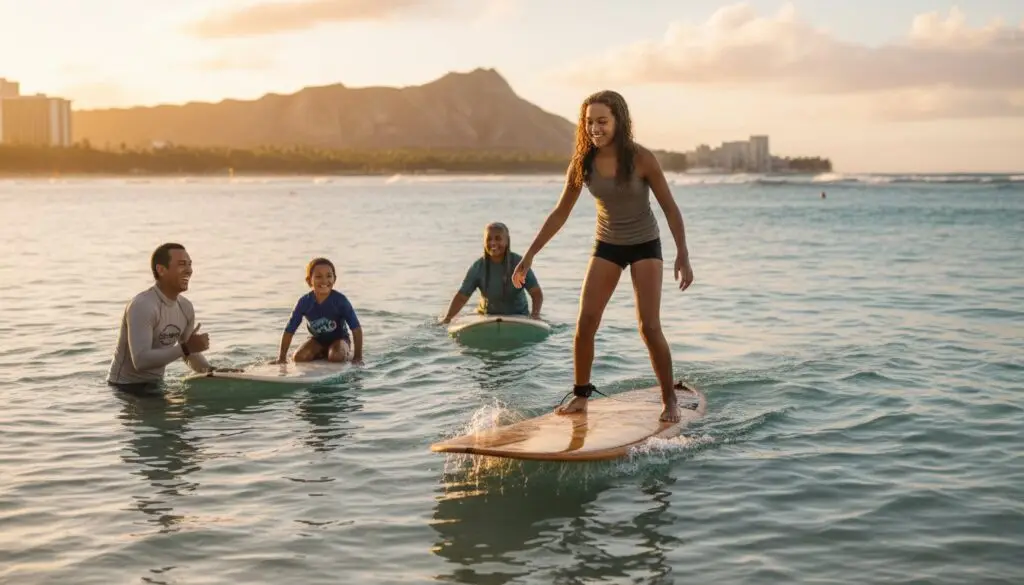
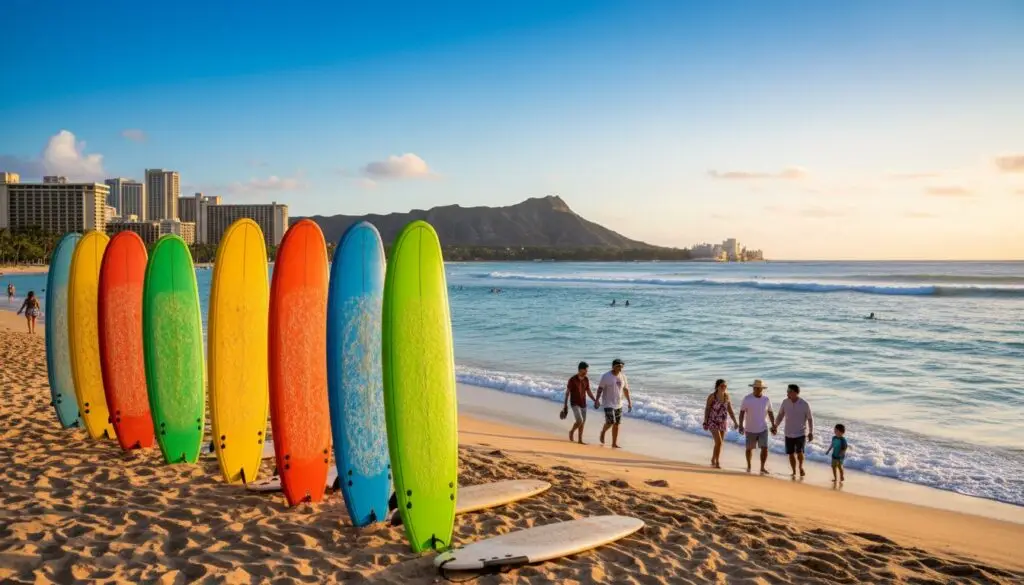
Surf lessons Oahu give you everything you need to ride your first real Hawaiian wave — warm turquoise water, consistent beginner-friendly swells, world-class instruction rooted in authentic aloha spirit, and beaches purpose-built for learning. This complete guide covers every school, beach, cost, technique tip, and safety essential so you can Find your perfect wave and hit the water ready.
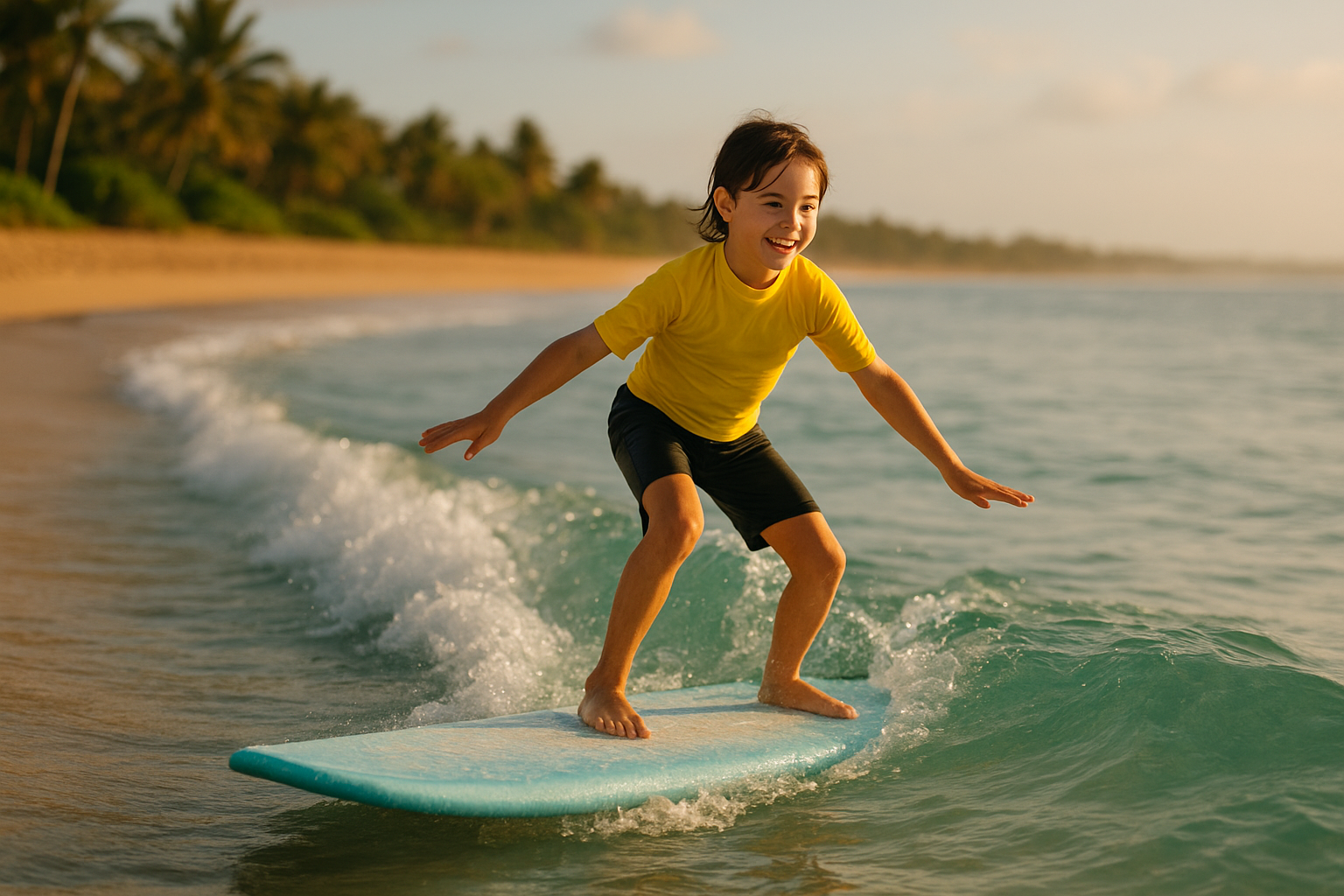
Taking your first wave during surf lessons on Oahu is an unforgettable milestone on one of Hawaii’s most iconic beaches.
Quick Answer — Last updated: 2026-08-11 • By Star Beach Boys instructors
Surf lessons on Oahu are structured coaching sessions — typically 1.5 to 2 hours — that teach ocean safety, paddling, pop-up technique, and wave-riding at beginner-friendly beaches like Waikiki. All equipment is included. Most first-timers stand and ride a wave within a single lesson. Group lessons run $50–$80; private lessons cost $100–$200 per hour.
Why Oahu Is the World’s Best Place to Take Surf Lessons
No other island on Earth combines beginner-perfect wave conditions, year-round warm water, a centuries-deep surf culture, and a concentrated density of elite instructors quite like Oahu. That is not marketing language — it is geography and history working in your favor.
Oahu’s southern shore, anchored by Waikiki Beach, produces long, slow-rolling waves that break over a shallow, sandy bottom. These waves travel far enough that even a first-timer gets a genuine ride of several seconds — long enough to feel the thrill and build real confidence. Water temperatures hover between 76°F and 80°F year-round, so there is no wetsuit required and no cold-water shock to distract from learning.
Beyond the physics, Oahu’s surf culture traces directly back to ancient Hawaiian royalty. Surfing — called he’e nalu in Hawaiian — was practiced here for over a thousand years before the rest of the world ever heard of it. The instructors who teach surf lessons on Oahu today are inheritors of that tradition, and the best ones bring genuine cultural depth to every session alongside technical skill.
Oahu’s Key Advantages for Beginner Surfers
- Forgiving wave shape: Waikiki’s waves break slowly and predictably, giving beginners extra time to complete the pop-up and find their balance.
- Sandy bottom beaches: No reef hazards at the primary beginner spots means wipeouts are far less intimidating.
- Year-round surf season: Unlike many destinations with a narrow window, Oahu delivers lesson-worthy conditions 365 days a year.
- Dense school competition: Dozens of reputable surf schools operating in the same area keeps quality high and prices competitive.
- Experienced, certified instructors: Many Oahu coaches have decades of experience and hold certifications from bodies like the International Surfing Association (ISA).
The Best Beaches for Surf Lessons on Oahu
Choosing the right beach is just as important as choosing the right school. Oahu has dozens of surf breaks, but only a handful are truly appropriate for each skill level. Find detailed options in surfing lessons on Oahu. Here is a breakdown of the most important ones:
Waikiki Beach — Best for Absolute Beginners
Waikiki is where nearly all first-time surf lessons on Oahu happen, and for excellent reason. The named breaks here — Canoes and Queens — produce rolling one- to two-foot waves that are ideal for learning the pop-up and getting your first real ride. The ocean floor is sandy, the beach is wide, and lifeguards are on duty year-round. If you have never surfed before, this is your spot.
Waikiki Canoes — The Iconic Learning Break
The Canoes break at the western end of Waikiki is so consistently beginner-friendly that it has been producing first-wave moments for over a century. Waves here are gentle, the crowd is friendly, and outrigger canoes often share the lineup — adding a uniquely Hawaiian atmosphere to your lesson experience.
Ewa Beach and White Plains — Hidden Beginner Gems
For visitors who want fewer crowds, White Plains Beach on Oahu’s leeward coast offers similarly mellow waves with a fraction of Waikiki’s tourist density. Several schools run sessions here, and the vibe is far more local and relaxed.
North Shore — For Intermediate and Advanced Surfers
The North Shore is legendary for a reason — breaks like Pipeline, Sunset, and Laniakea produce some of the most powerful surf on the planet. During winter (November through February), waves regularly exceed 20 feet and are strictly for elite surfers. During summer, however, the North Shore calms significantly, and intermediate-level students can book private lessons at gentler spots like Laniakea or Chun’s Reef for a step-up challenge.
Pro Tip: Book your surf lesson for early morning — typically 7 AM to 9 AM — when trade winds are calm, the ocean surface is glassier, and the lineup is less crowded. Most experienced schools on Oahu prioritize early slots for exactly this reason.
What Happens During a Typical Surf Lesson on Oahu
Understanding the lesson structure in advance removes anxiety and helps you get more out of every minute in the water. While each school has its own personality, reputable surf lessons on Oahu follow a well-proven progression; read our Surf lessons in Hawaii overview for full curricula comparisons.
Phase 1 — Land Instruction and Safety Briefing (20–30 minutes)
Before anyone touches the water, your instructor will run a comprehensive safety briefing on the beach. This covers ocean awareness, how to identify and escape rip currents, proper surfboard handling, and the rules of surf etiquette (who has right-of-way in the lineup). This phase is not filler — it is foundational, and attentive students are markedly safer and more capable in the water as a result.
Phase 2 — Dry-Land Pop-Up Drills (10–15 minutes)
The pop-up — transitioning from lying prone to standing on the board in one explosive movement — is the most critical physical skill in beginner surfing. Instructors walk you through the mechanics: hands flat under your shoulders, a strong push-up, front foot placement, back foot positioning, and where to fix your gaze (forward, not down). You will repeat this on the sand until it begins to feel automatic. Students who drill this carefully almost always stand successfully on their first wave. See surf lesson tips for extra drills and practice routines.
Phase 3 — Paddling Technique and Water Entry (10–15 minutes)
Before catching waves, your coach will work with you on paddle technique in the shallow water. Efficient paddling — high elbow, cupped hand, deep catch, full extension — determines how many waves you can catch and how tired you get. Many beginners are surprised to learn that paddling mechanics are more technique than strength.
Phase 4 — Wave Riding (60–90 minutes)
This is the core of your lesson. Your instructor positions you in the lineup, reads incoming sets, communicates when to start paddling, and gives you a push at precisely the right moment to match the wave’s speed. On your first few attempts, the coach may hold the board steady before releasing it — a training-wheel approach that builds confidence before you transition to independent paddling into waves.
Most first-time students catch between four and eight waves during this phase. Each ride builds on the last. By the end, most beginners are standing consistently and developing an early sense of balance and board control.
Phase 5 — Post-Lesson Debrief
Good surf schools wrap up every session with a brief debrief — what you did well, what to work on next time, and specific tips for your next session. This feedback loop is what separates a genuine educational experience from simply being pushed into waves for an hour.
Group vs. Private vs. Semi-Private Surf Lessons: A Full Comparison
One of the most common booking questions for surf lessons on Oahu is which lesson format is right for your situation. Here is a complete breakdown of all three options — see how to learn to ride waves and choose the right format.
Group Lessons: Social, Affordable, Effective
Group surf lessons remain the most popular format for first-time visitors, and for good reason. The social energy is motivating — watching others succeed pushes you to try harder. A 1:4 or 1:6 ratio still provides meaningful individual feedback, and the camaraderie often makes the experience more memorable than a solo session.
Private Lessons: Maximum Progression
If you have specific technique goals — refining your pop-up timing, learning to read waves, developing a cutback or duck-dive — a private lesson is the most efficient investment. Your instructor can analyze every aspect of your surfing in real time and make micro-adjustments that group formats simply cannot deliver. Many intermediate surfers who have surfed before but plateaued report private lessons as the single biggest catalyst for improvement.
Multi-Day Packages: Best Value Overall
For visitors planning to surf multiple times during their stay, multi-lesson packages dramatically reduce the per-session cost. A typical five-session package might bring the effective rate down to $40–$45 per lesson. Many Oahu schools also bundle surf lessons with stand-up paddleboarding (SUP), outrigger canoe rides, or beach activity packages — excellent value for families or groups.
How to Book Surf Lessons on Oahu: Step-by-Step Guide
Follow these five steps to research, select, book, and prepare for your surf lesson on Oahu — from first search to first wave.
-
1
Assess your current skill level honestly
Evaluate your swimming ability — comfortable ocean swimming is a prerequisite for any surf lesson. Consider your previous surf experience, if any. Beginners with zero experience should book a group lesson at Waikiki. Intermediate surfers who can paddle and pop up consistently but struggle with wave selection or turns should book a private lesson and specify their goals clearly when contacting the school.
-
2
Choose the right beach and school for your level
Beginners should target schools operating out of Waikiki — specifically the Canoes or Queens breaks. Intermediate surfers can explore schools offering North Shore summer sessions or lessons at White Plains. Research each school’s instructor certifications, student-to-instructor ratios, safety protocols, and review profiles on TripAdvisor and Google before committing.
- 3 Book early and confirm what’s included Popular Oahu surf schools — especially those on Waikiki — fill up quickly during peak travel months (June through August and December). If you need step-by-step booking help, see how to book a surf lesson. Book at least three to five days in advance, and ideally further if your vacation dates are fixed. Confirm that the booking includes all equipment (board, leash, rash guard), and ask specifically about the cancellation and rain policy before paying.
-
4
Prepare thoroughly for lesson day
Apply waterproof, reef-safe sunscreen at least 20 minutes before entering the water — chemical sunscreens need time to absorb, and reef-safe formulas are legally required in Hawaii. Eat a light meal about an hour before your session. Bring a towel, reusable water bottle, and a change of clothes. Practice the pop-up motion at home before your trip if possible — even five minutes on your living room floor makes a real difference on the water.
-
5
Accelerate progress with follow-up sessions
One lesson is an outstanding start, but the biggest skill gains happen in the second and third sessions when your body begins to automate what your mind learned the first time. Consider booking a multi-day package, or at minimum a second lesson on a different day during your trip. After your lesson, spend 15–20 minutes watching more experienced surfers from the beach — observing how they read waves and position themselves in the lineup is a surprisingly powerful free learning tool.
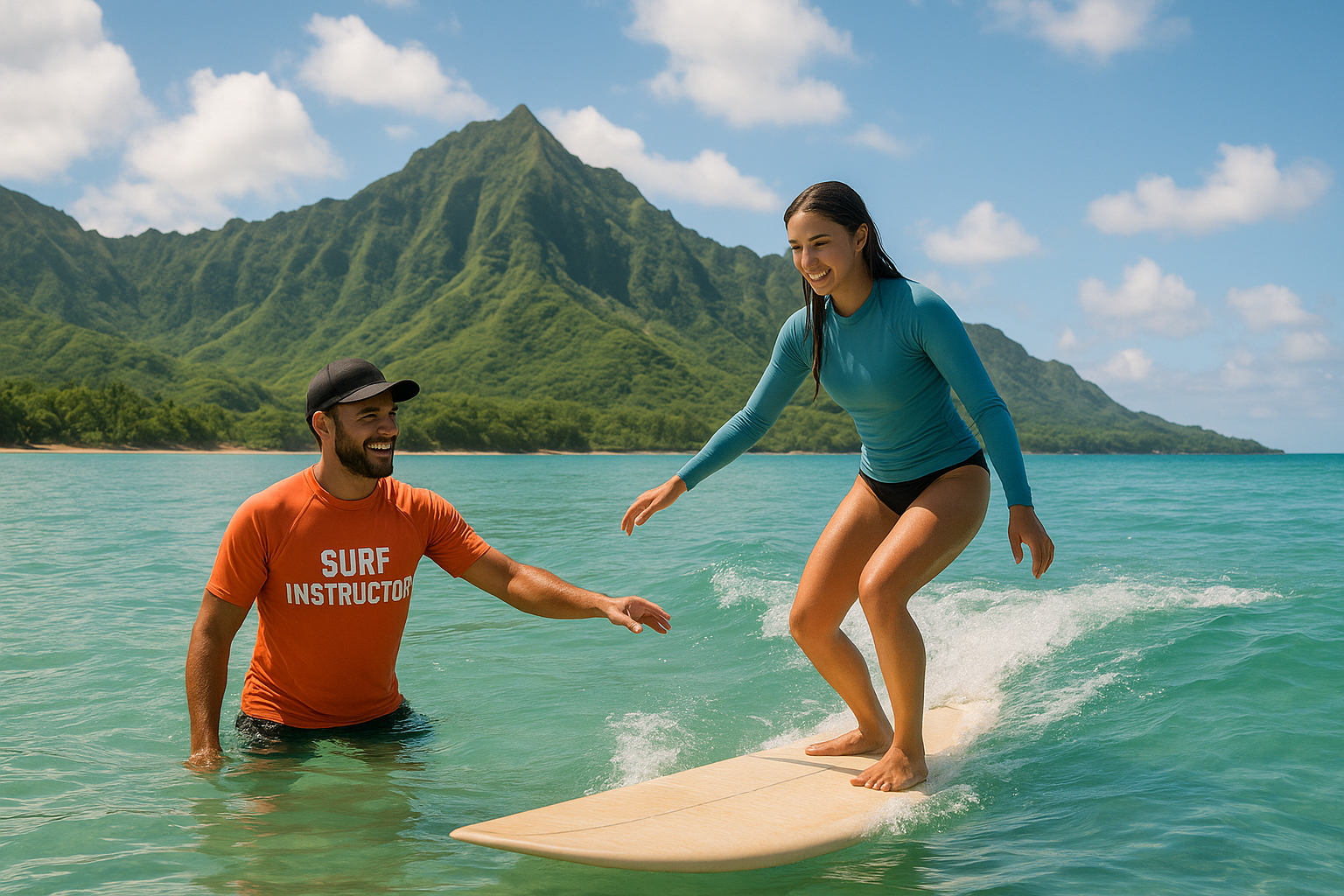
A skilled instructor makes all the difference — personalized coaching helps students progress from paddling basics to riding waves in a single session.
How Much Do Surf Lessons on Oahu Cost? Complete Pricing Guide
Understanding the full pricing landscape for surf lessons on Oahu helps you budget accurately and avoid surprises. Here is a complete breakdown of what you can expect to pay across all formats and session lengths: check detailed rates on surfing lessons cost.
Standard Pricing by Lesson Type
- Group lessons (1.5–2 hours): $50–$80 per person, equipment included
- Semi-private lessons (2 people): $80–$130 per person, equipment included
- Private lessons (1–2 hours): $100–$200 per hour, fully customized
- Multi-lesson packages (5 sessions): Effective rate drops to approximately $40–$50 per session
- Kids’ group lessons: Often slightly discounted, typically $45–$70 per child
What Is Always Included
Virtually all reputable Oahu surf schools include foam surfboard (soft-top longboard), surf leash, and rash guard in their base lesson price. Some schools also provide reef booties, sun shirts, and waterproof sunscreen on request — confirm at booking. You should not need to rent or purchase any gear separately for a beginner lesson.
Factors That Affect Pricing
- Beach location: Waikiki-based schools tend to charge slightly more due to higher operating costs and demand.
- Instructor experience: ISA-certified coaches or former competitive surfers command premium rates for private sessions.
- Season: Peak summer and holiday weeks may see higher prices and lower availability.
- Session length: Standard lessons run 1.5–2 hours; extended 3-hour sessions for intensive coaching exist at many schools.
Budget Tip: Many schools offer discount codes through hotel concierges or activity desks at your accommodation. Ask before booking online — you may save 10–20% simply by asking at the front desk of your hotel.
Essential Surf Techniques Every Beginner Learns on Oahu
Understanding the fundamental techniques before you arrive means you absorb coaching faster and spend less time on explanations and more time riding waves. Here is what every beginner surf lesson on Oahu will teach you: For a deeper walkthrough, see our Surf Rental in Waikiki: The Ultimate Guide to Riding the Waves with Aloha.
The Pop-Up: The Most Critical Skill in Beginner Surfing
The pop-up is the single movement that determines whether beginners stand on their first wave or not. It requires: lying prone with hands flat under your shoulders (not too wide, not too narrow), executing a strong push-up that lifts your chest, swinging your front foot forward in a single explosive motion, landing with your feet roughly shoulder-width apart, and immediately fixing your eyes on the horizon (not the nose of the board). The entire movement should happen in under one second. Practicing this on your living room floor every day before your trip will make your first in-water attempt dramatically cleaner.
Stance and Balance: Regular vs. Goofy Foot
Surfers either surf “regular” (left foot forward) or “goofy” (right foot forward). Your instructor will identify your natural stance early in the lesson. The key to balance once standing is keeping your knees bent (never locked), arms slightly raised for counterbalancing, and your weight centered over the stringer (the central line of the board). Looking toward the beach rather than down at the board is the single most effective balance tip instructors give beginners.
Paddling Efficiency
Poor paddling technique wastes energy and costs you waves. The correct technique: chin up, feet and calves out of the water, paddle with high elbows and deep strokes reaching full extension before the catch. Alternate arms in a smooth crawl stroke rhythm. Efficient paddlers catch three to four times as many waves as inefficient ones — in a lesson context, that means exponentially more practice reps per hour.
Reading Waves and Timing Your Takeoff
Even beginners learn the basics of wave reading in their first lesson — understanding the difference between a crumbling wave (white water, good for beginners) and a peeling wave (green face, better for intermediates), and learning to feel when a wave is about to lift the back of the board so you can start paddling at the right moment. Your instructor handles the timing call in early sessions, but understanding the concept helps you internalize it faster.
Common Mistakes First-Time Surfers Make (and How to Avoid Them)
Even with great instruction, beginners often fall into predictable habits that slow their progress. Knowing these in advance means your instructor’s coaching lands faster and your improvement is noticeably quicker:
-
✕
Looking down at the board: Your body follows your eyes. Looking down causes immediate instability and frequent falls. Train yourself to fix your gaze on the horizon from the moment you pop up.
-
✕
Two-stage pop-up: Rising in two separate movements (push-up, then step forward) is too slow — the wave passes under the board before you are standing. Practice the single-motion explosive pop-up until it is instinctive.
-
✕
Tensing the body when the wave hits: Stiffening locks your joints and kills your balance. Relaxing your knees and letting your hips absorb the motion dramatically improves stability. Think “soft knees, loose hips.”
-
✕
Paddling too late for waves: Most beginners wait until a wave is directly underneath them before starting to paddle. You need to be paddling hard 2–3 seconds before the wave reaches you to match its speed. Your instructor will call this timing in early sessions — pay close attention.
-
✕
Feet positioned too close together: A narrow stance dramatically reduces balance. Your feet should be at least shoulder-width apart and slightly staggered front-to-back. Many beginners default to a narrow stance under pressure — actively focus on foot width.
-
✕
Bailing off the board into your leash: Falling forward off the nose puts you directly in the path of the board — a safety risk. Always fall to the side, away from the board, and cover your head with your arms as you surface. Your instructor will demonstrate this explicitly.
Ocean Safety: What Every Surfer Learns on Oahu
Ocean safety is not a footnote in quality surf lessons on Oahu — it is woven into every minute of instruction. The Pacific Ocean demands respect, and reputable schools treat safety education as seriously as technique.
Rip Currents: Identification and Escape
According to NOAA’s National Weather Service Hawaii, rip currents account for the majority of ocean rescues in the Hawaiian Islands every year. Your instructor will teach you how to identify a rip current from the beach (look for a channel of choppy, darker, foam-streaked water moving seaward) and how to escape one: never fight the current by swimming directly against it — instead swim parallel to shore until you are out of the channel, then angle back to the beach.
How to Fall Safely Off a Surfboard
Falling is inevitable in surfing — even professionals fall constantly. Learning to fall safely prevents the most common surf injuries. The rules: always fall away from the board (never forward), fall flat (not feet-first into shallow water), cover your head and face with your arms as you surface, and wait a full two seconds after surfacing before removing your arms to allow the board to clear. These habits, drilled in your first lesson, become automatic over time.
Surf Etiquette: The Unwritten Rules of the Lineup
Understanding surf etiquette protects both safety and relationships in the water. Key rules every beginner learns:
- Right of way: The surfer closest to the peak (the breaking part of the wave) has priority. Never drop in on someone already riding a wave.
- Don’t snake: Repeatedly paddling around another surfer to gain priority is called snaking and is considered disrespectful.
- Paddle wide: When paddling back out after a wave, paddle around the breaking zone — never through it when someone is riding.
- Communicate: If two surfers are going for the same wave at a peak that breaks both ways, call left or right to avoid collision.
Marine Life and Environmental Awareness
Hawaii’s reefs are living ecosystems. Use only reef-safe, mineral-based sunscreen — Hawaii law bans the sale of sunscreens containing oxybenzone and octinoxate due to their harm to coral. Instructors will also brief you on what to do if you encounter sea turtles (honu) in the water — give them a minimum of ten feet of space, as disturbing them is a federal offense under the Endangered Species Act.
Surf Lessons on Oahu for Specific Groups
Surf Lessons for Kids on Oahu
Children as young as 5 years old can take surf lessons on Oahu, and many schools offer dedicated kids’ programs with age-appropriate instruction and extra supervision. Foam soft-top boards are used exclusively for young learners, and instructor-to-student ratios are kept tighter in children’s sessions. Surfing builds confidence, ocean comfort, and physical coordination in children — many families make it an annual vacation tradition.
Surf Lessons for Adults Over 50
Age is not a barrier to learning to surf on Oahu. Instructors regularly teach first-timers well into their 60s and 70s. The key adjustments for older beginners are pacing (shorter in-water sessions with more rest), core strength awareness (yoga or pilates practice before your trip helps significantly), and choosing private lessons for more individualized technique guidance. Waikiki’s gentle waves are forgiving enough that fitness level matters far less than commitment.
Surf Lessons for Families
Family surf lessons on Oahu are one of the most popular vacation activities on the island. Semi-private family lessons keep everyone together in the water under shared instructor supervision. Most schools accommodate mixed age groups in family sessions — parents and children can ride waves side by side, creating memories that outlast any hotel room or tourist attraction.
Surf Lessons for Intermediate Surfers
If you can stand and ride white water but struggle with catching green (unbroken) waves, reading the lineup, or executing turns, Oahu’s private lesson instructors can fast-track your intermediate progression. Specific skills commonly worked on in intermediate private sessions include: catching and riding unbroken wave faces, basic bottom turns, weight distribution for directional control, and paddle-out technique through broken surf.
Best Time of Year for Surf Lessons on Oahu
Oahu delivers surf lesson conditions year-round, but the season you visit significantly affects the type of experience you will have:
For beginner surf lessons, April through September is the optimal window — the south swell produces the most consistent, learner-friendly conditions at Waikiki. However, even in winter, Waikiki’s southern exposure means it receives smaller swells than the North Shore, and lessons run successfully year-round with no significant quality reduction for beginners.
What to Bring to Your Surf Lesson: Complete Checklist
- ✓Reef-safe mineral sunscreen — Apply at least 20 minutes before water entry. Required by Hawaii state law.
- ✓Comfortable swimsuit — Boardshorts or a one-piece work best; bikinis can slip during wipeouts.
- ✓Beach towel — For drying off post-session; most schools don’t provide these.
- ✓Reusable water bottle — Surfing is physically demanding; hydration before and after is essential.
- ✓Change of clothes — You will be wet. A dry outfit for the ride back to your hotel is a quality-of-life essential.
- ✓Light snack — Eat something 60–90 minutes before your lesson; avoid heavy meals that cause discomfort in the water.
- ✓Waterproof bag or dry bag — For storing valuables like your phone, keys, and wallet while you are in the water.
- ✓What to leave behind: Jewelry, watches, and contact lenses. All three are problematic in saltwater and may be lost or damaged during wipeouts.
Making the Most of Your Time on the Water
To maximize the value of your surf lesson experience on Oahu, arrive well-rested, hydrated, and mentally open to instruction. Surfing is physically demanding, and fatigue sets in faster than most beginners anticipate — especially if you have spent the previous day walking around in heat. A good night’s sleep before lesson day matters more than most visitors realize.
During the lesson, focus on one technical element at a time rather than trying to perfect everything simultaneously. For focused progression tips see learn to surf with confidence. Your instructor will prioritize the most impactful cues for your current stage. Trust the progression — trying to rush to advanced techniques before the fundamentals are solid is the most common source of frustration in beginner surfers.
After your lesson, spend 15–20 minutes watching more experienced surfers from the beach. Observe how they position themselves in the lineup, how they read the approaching wave, when they begin paddling, and how they weight-shift through turns. This observational practice is one of the most underrated and free learning tools available, and many coaches explicitly recommend it as a supplement to formal instruction.
How to Choose the Right Surf School on Oahu
With dozens of surf schools operating on the island, the quality gap between the best and worst is significant. Here is exactly what to look for when selecting a school for your surf lessons on Oahu: see our surfing schools guide for selection criteria and checklists.
- Certified instructors: Look for ISA (International Surfing Association) certification or equivalent. This indicates formal safety and teaching training, not just surfing skill.
- Strong safety record: Ask directly about incident history, first aid certifications, and whether instructors hold CPR/first aid credentials.
- Small class sizes: A maximum of 4–6 students per instructor for group lessons. Schools that cram 8–10 students per instructor deliver poor individual attention and raise safety concerns.
- Verified positive reviews: Cross-reference Google, TripAdvisor, and Yelp. Look specifically for recent reviews that mention instructor quality, safety emphasis, and whether first-timers actually stood up and rode waves.
- Transparent cancellation policy: Reputable schools offer full refunds or no-fee reschedules for rain, poor conditions, or illness. Avoid operators with non-refundable deposits for weather-dependent activities.
- Clear equipment standards: Confirmed inclusion of soft-top foam board (not hard fiberglass), leash, and rash guard at minimum.
Established operators like Star Beach Boys have built strong reputations on Oahu’s shores through consistent instructor quality, safety-first culture, and a genuine commitment to the aloha spirit that defines authentic Hawaiian surf instruction. For first-time visitors, starting with a well-reviewed, established school removes uncertainty and maximizes the chance that your first lesson is genuinely memorable.
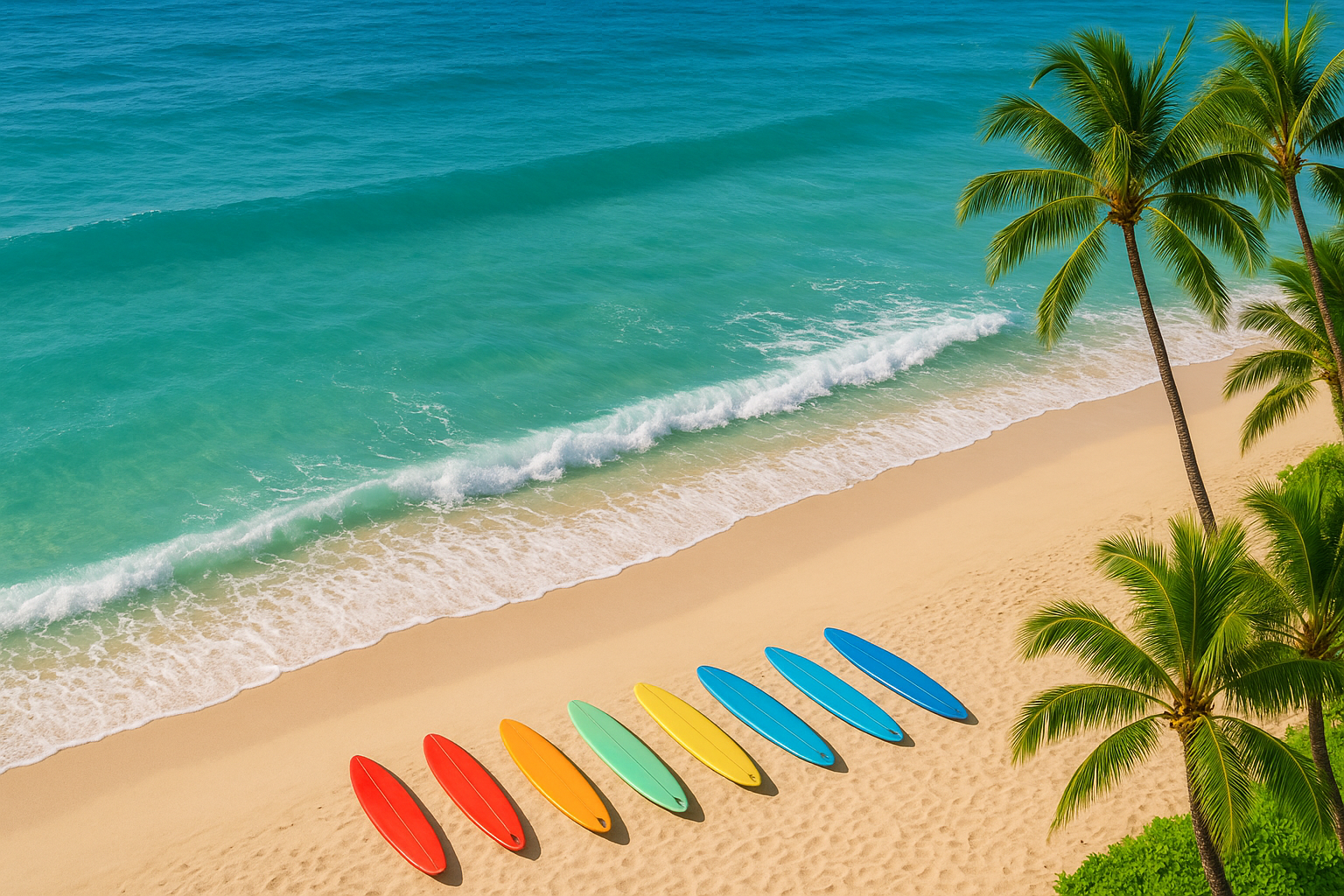
Oahu’s beaches offer a stunning backdrop for every surf lesson, from the calm waters of Waikiki to the legendary breaks further along the coast.
Conclusion: Start Your Surf Journey on Oahu Today
Surf lessons on Oahu represent one of the most accessible, exhilarating, and culturally rich ways to experience Hawaii. The combination of perfect beginner waves at Waikiki, year-round warm water, expert certified instructors, and a thousand-year surfing heritage makes Oahu uniquely qualified to transform a complete beginner into a confident wave-rider in a single afternoon. For a deeper walkthrough, see our Surf Lessons in Hawaii: The Complete Guide to Learning to Surf on Every Island.
Whether you are a first-timer looking for that initial rush of riding your first wave, a family seeking an activity that everyone from age 5 to 75 can share, or an intermediate surfer ready to break through a plateau — Oahu’s surf schools deliver real, lasting results in a setting that is difficult to improve upon anywhere else on Earth.
Book with a certified, well-reviewed school. Arrive prepared and open to instruction. Apply your reef-safe sunscreen, eat a light breakfast, and embrace every wipeout as part of the process. The wave will find you. All you have to do is show up. — Published by Star Beach Boys. Author: Star Beach Boys Team. Last updated: 2026-07-12.
Frequently Asked Questions About Surf Lessons on Oahu
What are surf lessons on Oahu?
Surf lessons on Oahu are guided instruction sessions where certified coaches teach ocean safety, paddling, pop-up technique, and wave-riding at beginner-friendly beaches — primarily Waikiki. Most schools offer group and private formats for all skill levels, making them accessible to virtually any visitor regardless of prior experience.
How much do surf lessons on Oahu cost?
Group lessons typically cost $50–$80 per person (equipment included). Semi-private lessons run $80–$130 per person. Private lessons cost $100–$200 per hour. Multi-lesson packages reduce the per-session rate to approximately $40–$50. Kids’ group lessons are often slightly discounted at $45–$70 per child.
Where is the best spot for beginner surf lessons on Oahu?
Waikiki Beach — specifically the Canoes and Queens breaks — is universally considered the best location for beginner surf lessons on Oahu. Long, slow-rolling waves over a sandy bottom create forgiving conditions ideal for first-time surfers of all ages. White Plains Beach on the leeward coast is a quieter alternative with similarly mellow surf.
Do I need experience to take surf lessons on Oahu?
No prior surf experience is needed. Instructors begin every beginner lesson with land-based safety briefings, pop-up drills, and paddling basics before you enter the water. The only real prerequisite is the ability to swim comfortably in the ocean. Children as young as 5 and adults with no athletic background regularly succeed on their first lesson.
How long does a typical surf lesson on Oahu last?
Most surf lessons on Oahu last 1.5 to 2 hours, including a 20–30 minute land instruction and safety segment followed by 60–90 minutes of in-water practice. Some schools offer extended 3-hour sessions for more intensive coaching. The post-lesson debrief — which the best schools always include — typically adds another 10–15 minutes.
What should I bring to a surf lesson on Oahu?
Bring reef-safe mineral sunscreen (required by Hawaii state law), a comfortable swimsuit, a beach towel, a reusable water bottle, a change of dry clothes, and a waterproof bag for valuables. Most surf schools on Oahu provide foam surfboards, leashes, and rash guards at no extra charge. Leave jewelry, watches, and contact lenses at your hotel.
Is surfing on Oahu safe for children?
Yes, surfing on Oahu is safe for children when they take lessons from certified instructors at beginner-friendly beaches. Most schools accept students as young as 5 years old. Children’s sessions use soft-top foam boards exclusively and maintain tighter instructor-to-student supervision ratios. Waikiki’s sandy bottom and gentle waves make it particularly well-suited for young learners.
What is the difference between group and private surf lessons on Oahu?
Group lessons are more affordable ($50–$80/person), social, and highly effective for beginners, with typical 1:4 to 1:6 instructor ratios. Private lessons ($100–$200/hour) offer one-on-one coaching, real-time technique analysis, and a fully customized curriculum — ideal for faster progression or intermediate surfers targeting specific skills. Semi-private lessons for 2–3 people offer a strong middle ground, especially for couples or small families.
Can beginners surf the North Shore of Oahu?
The North Shore is absolutely not appropriate for beginners during winter (November–February) when waves regularly exceed 20 feet. During summer, however, certain North Shore spots like Laniakea and Chun’s Reef calm to intermediate-manageable conditions, and private lessons are available there for surfers who already have solid foundational skills from Waikiki beginner lessons.
What is the best time of year for surf lessons on Oahu?
April through September is ideal for beginner surf lessons on Oahu because the south shore receives consistent 1–3 foot swells that are perfect for learning. Lessons run year-round, however, and Waikiki’s southern exposure protects it from the large north swells of winter. Advanced surfers visit November through February to experience the famous North Shore big-wave season.
Do surf schools on Oahu provide all equipment?
Yes, virtually all reputable surf schools on Oahu supply foam soft-top surfboards, leashes, and rash guards at no extra charge as part of the lesson fee. Some schools also provide reef booties, sun shirts, and waterproof sunscreen on request. Confirm exactly what is included when booking — you should not need to purchase or rent any equipment separately for a beginner lesson.
How do I choose the right surf school on Oahu?
Look for ISA-certified instructors, small class sizes (maximum 4–6 per instructor), verified positive reviews across Google and TripAdvisor, transparent cancellation policies, and confirmed equipment inclusion. Established operators like Star Beach Boys offer a strong starting point for first-time visitors seeking safe, professionally delivered, and memorable surf lessons on Oahu.
What is the Hawaiian name for surfing, and why does it matter?
Surfing is called he’e nalu in Hawaiian, meaning “wave sliding.” It was practiced by Hawaiian royalty and commoners alike for over a thousand years before Western contact. Taking surf lessons on Oahu is not just a recreational activity — it is a connection to one of the oldest continuous sporting traditions on Earth. The best instructors bring this cultural depth to every session, making the experience richer than simply learning to stand on a board.