Fun surf experiences are among the most rewarding outdoor adventures available to people of all ages and fitness levels — combining ocean connection, physical challenge, and pure joy into a single activity. Whether you are stepping on a surfboard for the first time or looking to deepen your wave-riding skills, this guide covers everything you need to know to make your time in the water unforgettable.

Fun surf experiences are accessible to riders of all ages when conditions and instruction align perfectly.
What Makes a Surf Experience Truly Fun?
At its core, a great surf session combines the right conditions, the right equipment, and the right mindset. However, many first-timers overlook how much preparation shapes the quality of their time in the water. According to surfing’s documented history on Wikipedia, the sport originated in Polynesia and has evolved into a global pursuit enjoyed by millions worldwide.
The most memorable sessions share three key qualities: appropriate wave size for your skill level, a supportive learning environment, and enough time in the water to build confidence. Therefore, planning before you paddle out makes an enormous difference.
Choosing the Right Board for Your Skill Level
Board selection is one of the most important decisions you will make before entering the water. For beginners, a soft-top foam longboard of at least eight feet provides the stability and buoyancy needed to catch waves consistently. In contrast, shorter, thinner boards require significant skill to balance and are best reserved for experienced surfers.
Intermediate surfers often transition to a mid-length funboard, which offers a balance between stability and maneuverability. Additionally, the fin setup on your board affects how it tracks through a wave, so ask a local surf shop for guidance tailored to your local break.
Because equipment directly shapes your experience, renting before buying is a smart strategy. Most surf schools and beach rental shops carry a range of boards, allowing you to experiment without a major financial commitment.
How to Have Fun Surf Experiences as a Beginner
Following a clear process dramatically improves your first sessions and builds lasting confidence on the water. Below are the five essential steps every new surfer should follow.
Step 1 — Choose the Right Board
Select a wide foam longboard of at least eight feet. This gives you the stability to focus on balance rather than fighting the board.
Step 2 — Find a Beginner-Friendly Break
Look for a sandy beach break with small, slow-rolling waves. Avoid rocky points or reef breaks until your skills are well-established.
Step 3 — Warm Up and Practice on Land
Stretch your shoulders, hips, and lower back before touching the water. Next, practice your pop-up technique on the sand until the movement feels natural and fluid.
Step 4 — Paddle Out and Read the Waves
Paddle confidently through the white water, using a turtle roll or duck dive to handle incoming waves. Position yourself just beyond the break zone and watch how sets arrive.
Step 5 — Catch Your First Wave
As a wave approaches, paddle hard to match its speed. When you feel the board accelerate, execute your pop-up in one smooth motion and ride toward the shore with your eyes on the horizon.
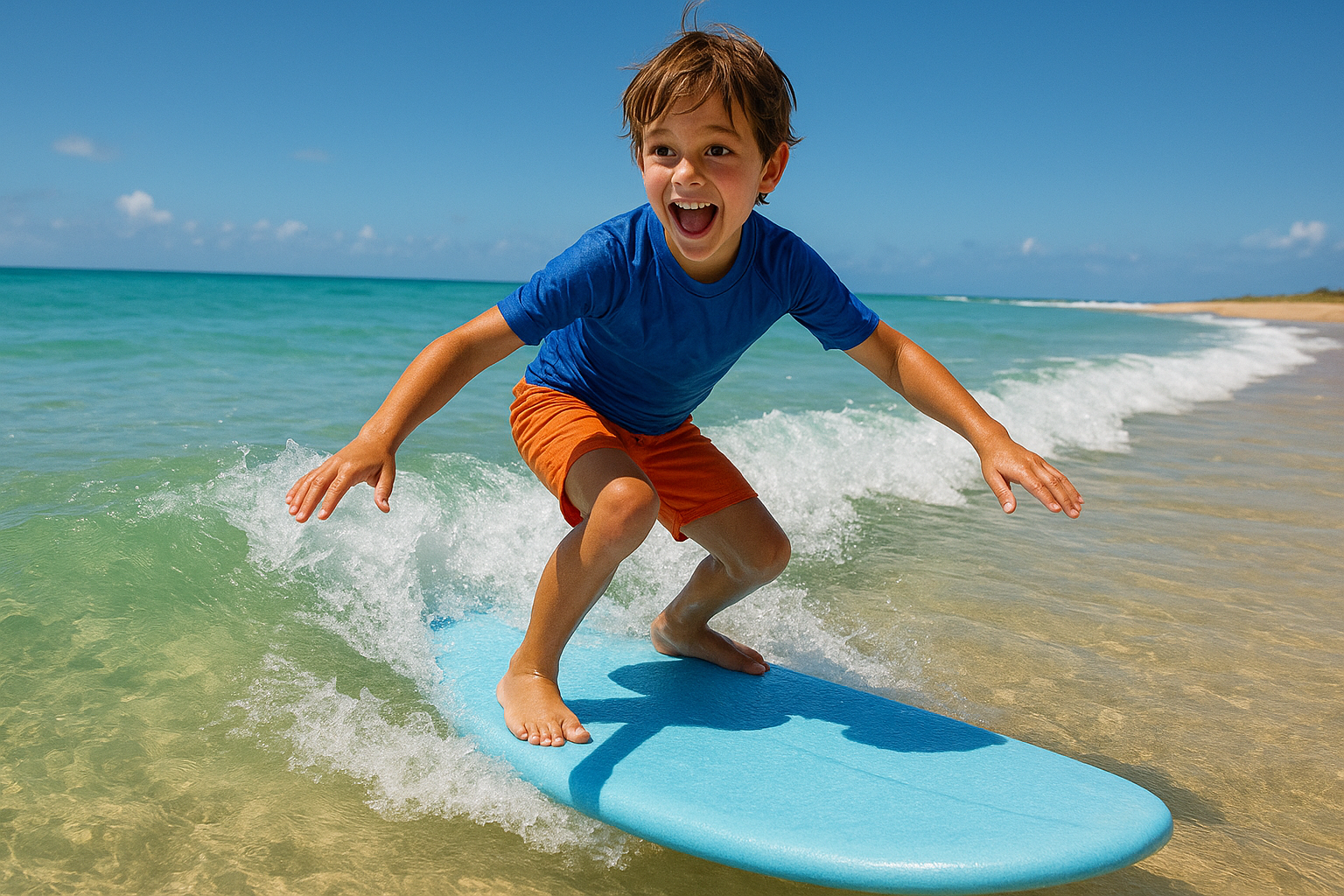
Mastering the pop-up on a foam board is the gateway to all future surf progression.
Top Destinations for Wave Riding Adventures
Location matters enormously when planning your next ocean session. Some beaches offer gentle, rolling waves ideal for learning, while others deliver powerful swells that challenge even seasoned pros. As a result, matching your destination to your current ability level keeps the experience enjoyable rather than overwhelming.
Beginner-friendly destinations typically feature sandy bottoms, consistent small waves, and easy water access. Meanwhile, intermediate surfers benefit from locations with slightly more powerful surf and longer ride windows. Advanced surfers, however, seek out reef breaks and point breaks with hollow, fast-moving barrels.
For curated beach experiences and guided surf activities at top coastal locations, Star Beach Boys offers a range of water sport services designed to maximize your time in the ocean.
Reading Ocean Conditions Like a Pro
Understanding the ocean before entering it separates confident surfers from anxious ones. First, check the swell height and period using a surf forecast app — a swell period above ten seconds generally indicates cleaner, more organized waves. Additionally, wind direction plays a critical role: offshore winds (blowing from land to sea) groom wave faces beautifully, while onshore winds create choppy, difficult conditions.
Tides also shape wave quality significantly. Many breaks perform best at mid-tide, although some reef breaks only fire properly at high tide. Therefore, studying a local tide chart before heading out saves time and frustration.
Finally, always identify rip currents before paddling out. These fast-moving channels of water pull away from shore and are a leading cause of beach rescues. If caught in a rip, swim parallel to the shore rather than fighting it directly.
Common Mistakes That Ruin Sessions
Even enthusiastic surfers sabotage their own sessions through avoidable errors. The most frequent mistake is choosing waves that are too large for the current skill level. Although bigger waves look impressive, they are far harder to read, catch, and ride safely.
Another common error is looking down at the board during the pop-up. In practice, keeping your gaze fixed on the horizon dramatically improves balance and direction. Similarly, bending at the waist instead of the knees creates instability that sends most beginners tumbling off the board.
Neglecting surf etiquette also creates unnecessary conflict in the lineup. Because the ocean is a shared space, understanding right-of-way rules and respecting other surfers ensures everyone has a positive experience.

Reading the lineup and positioning correctly are skills that transform good sessions into great ones.
The Value of Professional Surf Instruction
Qualified surf instructors accelerate your learning curve in ways that self-teaching simply cannot match. They identify technique flaws in real time, choose appropriate waves for your level, and provide safety supervision throughout the session. As a result, most students achieve in one lesson what might take weeks of solo practice.
Group lessons are cost-effective and also provide a social dimension that many learners find motivating. However, private lessons offer more personalized feedback and are ideal for surfers targeting specific skill improvements. For organized surf instruction and beach activities, Star Beach Boys connects visitors with experienced local guides.
Building a Long-Term Surf Practice
Surfing rewards consistency above all else. Paddling out two or three times per week builds the shoulder endurance, wave timing, and board feel that transform a beginner into a capable surfer. Additionally, cross-training activities such as yoga, swimming, and balance board work complement time in the water.
Keeping a surf journal also accelerates improvement. After each session, note the wave conditions, what worked, and what to focus on next time. Over months, these entries reveal clear patterns in your progression and highlight areas needing attention.
Furthermore, joining a local surf community provides accountability, local knowledge, and friendship. Many surf clubs organize group sessions, competitions, and beach clean-ups that deepen your connection to the sport beyond just riding waves.
Quick Answer: Fun surf experiences are most accessible when you match your skill level to appropriate wave conditions, use the right equipment, and receive at least basic instruction from a qualified coach. Even a single well-guided session can spark a lifelong passion for the ocean.
Frequently Asked Questions About Surfing
What are fun surf experiences for complete beginners?
Fun surf experiences for beginners typically start with a guided lesson on a wide, soft-top board in gentle shore break waves. Instructors teach paddling, popping up, and basic balance before you enter deeper water. Most people catch their first wave within the first lesson.
How long does it take to learn to surf?
Most beginners can stand on a board and ride a wave within one to three lessons. However, becoming a confident intermediate surfer typically takes several months of regular practice in varied conditions.
What equipment do I need for a surf experience?
At minimum, you need a surfboard suited to your skill level, a leash, and a wetsuit if the water is cold. Beginners benefit most from a large foam longboard, which offers extra stability and buoyancy.
Is surfing dangerous for first-timers?
Surfing carries some risk, but beginner-friendly breaks with professional instruction significantly reduce hazards. Always surf with a leash, respect ocean currents, and never surf alone as a novice.
What is the best age to start surfing?
There is no single best age — children as young as five and adults in their sixties regularly enjoy surf lessons. The key factors are basic swimming ability, physical fitness, and a willingness to learn.
How do I choose the right surf destination?
Choose a destination based on your skill level, wave size preferences, and water temperature. Beginners should look for beach breaks with small, consistent waves and professional surf schools nearby.
What is the difference between a longboard and a shortboard?
Longboards are longer, wider, and more stable, making them ideal for beginners and smaller waves. Shortboards are more maneuverable and suited to experienced surfers who want to perform tricks and ride steeper waves.
How should I warm up before a surf session?
Dynamic stretching of the shoulders, hips, and lower back is essential before paddling out. A five to ten minute warm-up reduces injury risk and improves your pop-up speed on the board.
What common mistakes do beginners make while surfing?
The most common mistakes include looking down at the board instead of the horizon, popping up too slowly, and choosing waves that are too large. Additionally, many beginners neglect to paddle hard enough before attempting to stand.
Can I enjoy surfing without taking formal lessons?
While some self-taught surfers do exist, formal lessons dramatically accelerate progress and improve safety. A qualified instructor can correct technique errors in minutes that might otherwise take months to fix independently.
What surf etiquette should I know before paddling out?
Key surf etiquette rules include not dropping in on another surfer’s wave, yielding to the surfer closest to the peak, and not paddling through the main lineup as a beginner. Respecting these unwritten rules keeps everyone safe and the session enjoyable.
How much do surf lessons typically cost?
Group surf lessons generally range from $50 to $100 per session, while private lessons can cost $80 to $200 per hour depending on location and instructor experience. Multi-day surf camps often offer the best value for serious learners.
Start Creating Your Own Fun Surf Experiences Today
Fun surf experiences begin the moment you commit to entering the ocean with intention, the right equipment, and a willingness to learn. Whether you book a guided lesson, rent a board at your local beach, or join a surf camp, every session adds to a growing foundation of skill and ocean confidence. Therefore, there is no better time to start than right now.
The ocean offers something unique to every surfer — from the quiet meditative paddle-out at sunrise to the exhilarating rush of riding your first clean wave. As a result, surfing consistently ranks among the world’s most rewarding physical pursuits. Take the first step, find your wave, and discover why millions of people around the globe have made this sport a central part of their lives.