Surf fitness classes Hawaii programs are designed to help surfers of every level build the strength, balance, and stamina needed to paddle harder, pop up faster, and stay in the water longer. Whether you are training for your first wave or preparing for bigger swells, these classes bridge the gap between general exercise and the specific physical demands of surfing. In addition, they help reduce injury risk by strengthening the muscles surfing relies on most.
Quick Answer: Surf fitness classes Hawaii combine ocean-specific strength training, balance drills, and cardio conditioning to prepare surfers for the physical demands of paddling, popping up, and wave riding. Sessions typically run 45 to 60 minutes and are often offered alongside surf lessons at coastal schools such as Star Beachboys.
What Are Surf Fitness Classes in Hawaii?
Surf fitness classes Hawaii is the term used for structured training sessions that build the physical foundation surfers need before they ever paddle out. Unlike a generic gym class, this training focuses on functional movement patterns like paddling, popping up, and maintaining balance on an unstable surface.
Specifically, most programs include a warm-up, a circuit of strength and balance exercises, and a cool-down stretch. Instructors often use balance boards, resistance bands, and bodyweight movements to simulate the instability surfers experience on a board. As a result, participants develop core stability and shoulder endurance that translate directly to better performance in the water.
Furthermore, these classes are frequently paired with actual surf coaching. For example, schools offering pro surf coaching in Hawaii often recommend fitness sessions as a complement to on-water lessons, helping students progress faster and stay safer.
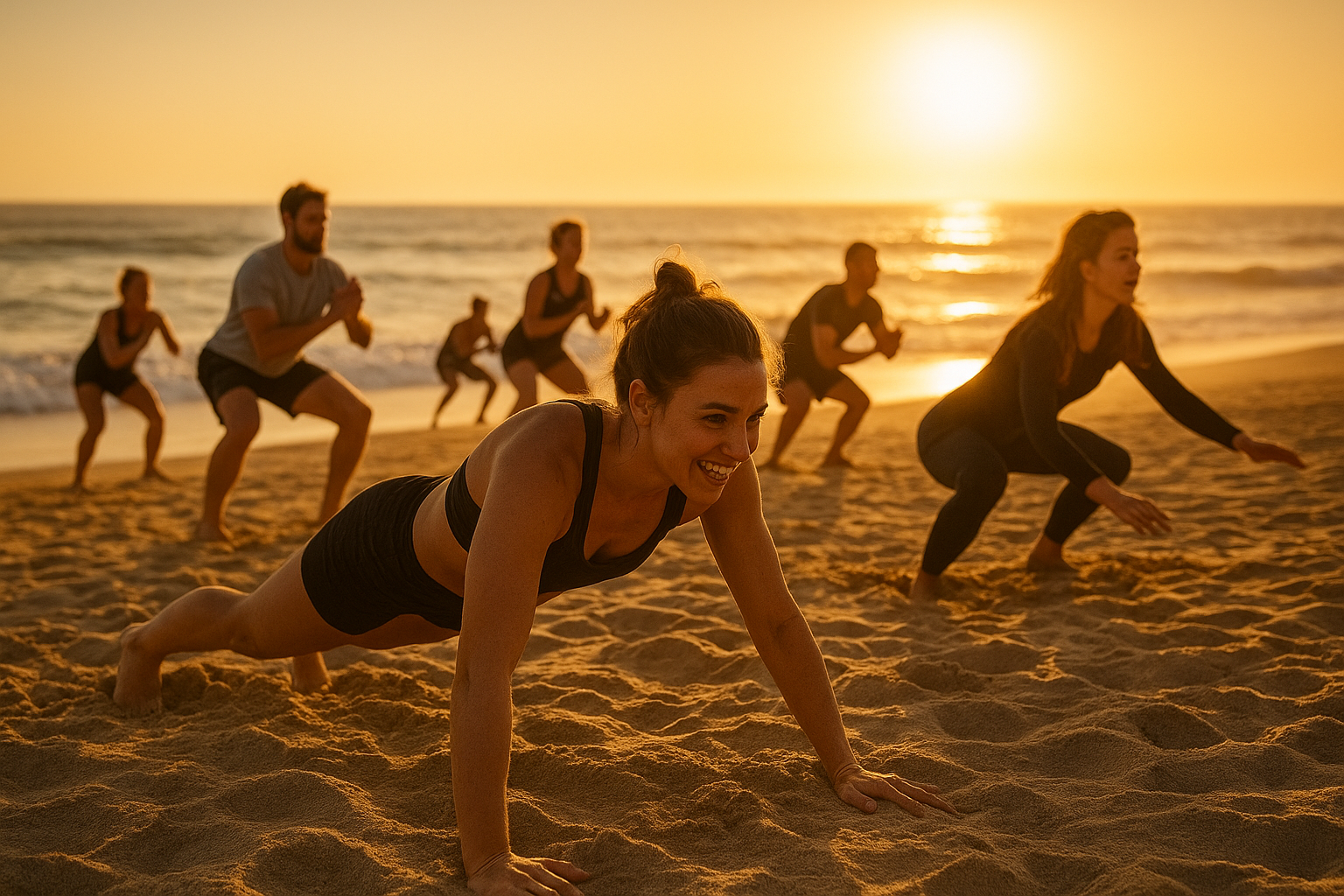
Surf fitness classes Hawaii often begin with sunrise sessions on the beach to build strength before paddling out.
Why Surf Conditioning Matters for Wave Riders
Surfing looks effortless from the shore, but paddling alone can burn more energy than many land-based cardio workouts. Therefore, surf conditioning, another name for the same training approach, helps riders build the endurance needed to catch more waves per session without early fatigue.
In particular, shoulder and back strength directly affect paddling speed, which determines whether a surfer catches a wave in time. Similarly, core stability influences balance during the pop-up, the quick movement from lying to standing on the board. According to the American Council on Exercise, functional balance training can reduce fall-related injuries by improving proprioception and reaction time, a benefit that applies directly to surfing.
Above all, consistent conditioning reduces the risk of common surfing injuries like shoulder strain and lower back stress. Consequently, surfers who train regularly tend to enjoy longer careers in the sport with fewer setbacks.
Key Components of a Surf Strength Training Program
Most surf strength training programs share a similar structure, even when specific exercises vary between schools. Typically, a session includes four core elements:
- Paddling simulations: Prone exercises that mimic the arm motion used to paddle out to the lineup.
- Balance drills: Standing or balance board exercises that train the stabilizer muscles used while riding.
- Core conditioning: Planks, rotational movements, and stability work that support the pop-up and turning technique.
- Cardio intervals: Short bursts of high-intensity movement that build the stamina needed for long ocean sessions.
Consequently, a well-rounded class touches on all four areas rather than isolating a single muscle group. In contrast, focusing only on strength without balance work leaves gaps that show up the moment a surfer hits open water.
How to Get Started with Surf Fitness Classes Hawaii
Getting started is simpler than most beginners expect. Below is a straightforward process for joining a program with confidence.
- Assess your current fitness level and surfing goals with a certified instructor before enrolling, so your program can be tailored to your paddling strength, balance, and endurance needs.
- Choose a class schedule that fits around tide times and surf lessons, ideally scheduling fitness sessions on non-surf days to allow muscles to recover properly.
- Warm up with dynamic stretches targeting shoulders, core, and hips, since these areas absorb the most strain during paddling and pop-up movements in the water.
- Complete the structured circuit of paddling simulations, balance board drills, and core stability exercises under instructor supervision to build wave-ready strength safely.
- Cool down with mobility stretches and log your progress weekly, tracking improvements in paddle endurance and pop-up speed to stay motivated long term.
Once this routine feels manageable, many students move on to intermediate surfing classes in Hawaii to apply their new strength and balance directly on the water.
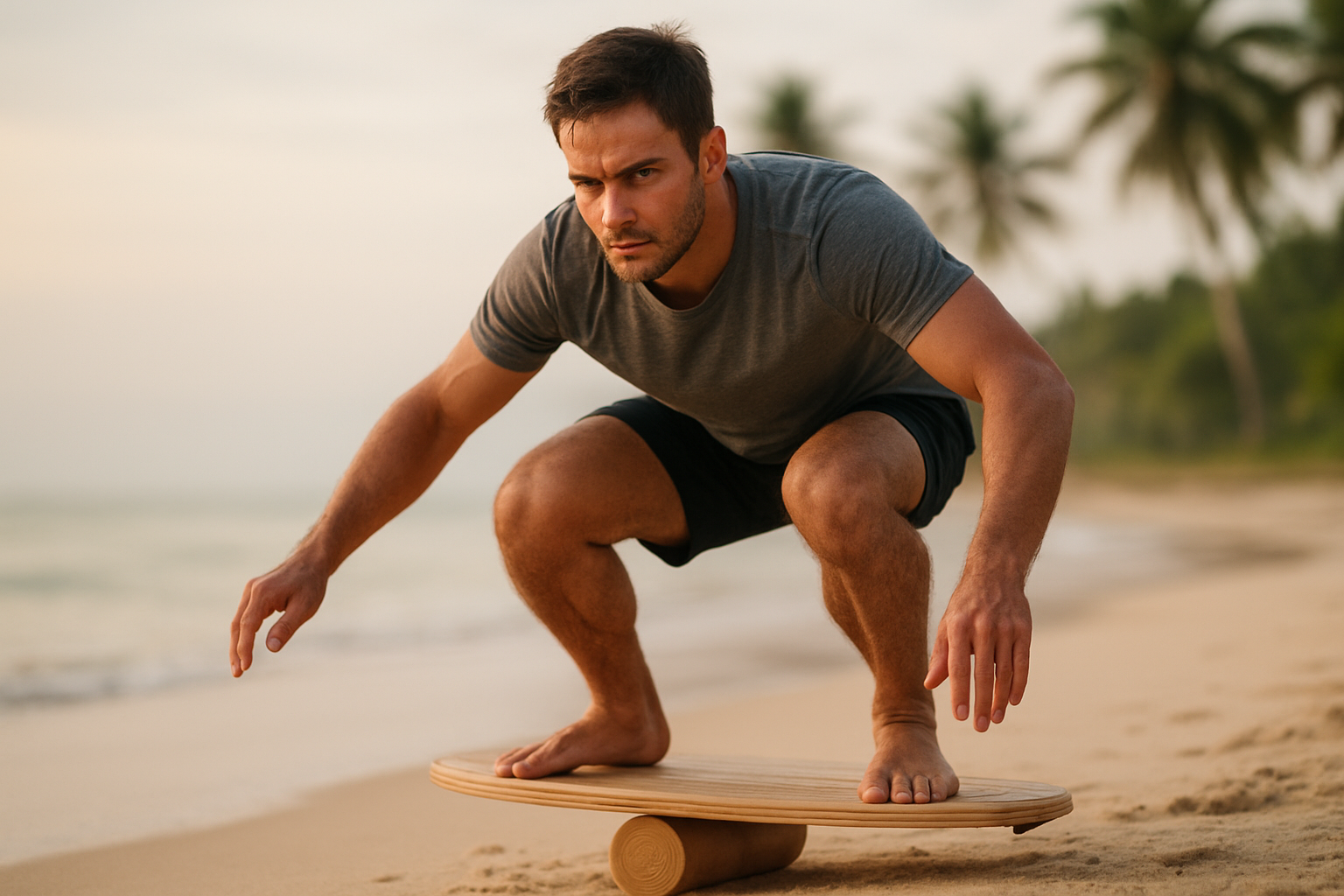
Balance board drills are a core part of surf fitness classes Hawaii instructors use to build stability.
Who Should Join Surf Fitness Classes in Hawaii?
Surf fitness classes are not limited to competitive surfers. In fact, complete beginners often benefit the most, since building strength before paddling out reduces early frustration and speeds up skill development.
Families visiting the islands frequently join fitness sessions together before booking a lesson, particularly when the group includes participants with different fitness levels. Similarly, older adults returning to an active lifestyle often find surf-specific conditioning gentler on the joints than high-impact gym workouts, while still delivering meaningful strength gains.
For those unsure where to start, resources like safety-focused beginner surf lessons in Hawaii pair well with fitness training to build both confidence and physical readiness before hitting the waves. Meanwhile, groups of friends or coworkers often prefer joining together, which naturally leads into the next consideration: shared training experiences.
Combining Fitness Training with Group Surf Lessons
Training alongside others often keeps motivation high, especially for visitors who want a social, shared experience during their trip. Many surf schools structure their offerings so fitness sessions naturally lead into on-water coaching with the same group.
For example, participants who complete a few fitness sessions together frequently transition into group surf lessons in Hawaii, applying their improved balance and paddling strength immediately in the ocean. As a result, the learning curve feels smoother, and students report more confidence during their first real sessions in the waves.
Above all, this combined approach reflects a broader trend in surf education: pairing land-based preparation with guided ocean time produces faster, safer progress than either element alone.
Choosing the Right Surf Fitness Program in Hawaii
Not every fitness program is designed with surfing in mind, so it helps to ask a few questions before signing up. Specifically, look for instructors with surf coaching backgrounds rather than general personal trainers, since they understand the exact movements surfing requires.
Additionally, consider whether the program offers a clear path from fitness training into actual surf lessons. Star Beachboys, for instance, structures its surf lessons and ocean experiences to complement fitness preparation, giving students a seamless transition from land-based training to real wave riding under expert supervision.
According to a 2022 outdoor recreation participation report from the Outdoor Foundation, surfing participation in the United States has grown steadily over the past decade, with more newcomers seeking structured, safety-focused instruction. This trend underscores why pairing fitness preparation with professional coaching has become increasingly popular among both tourists and local residents. For more background on ocean fitness principles, the CDC’s physical activity guidelines offer useful context on building endurance safely.
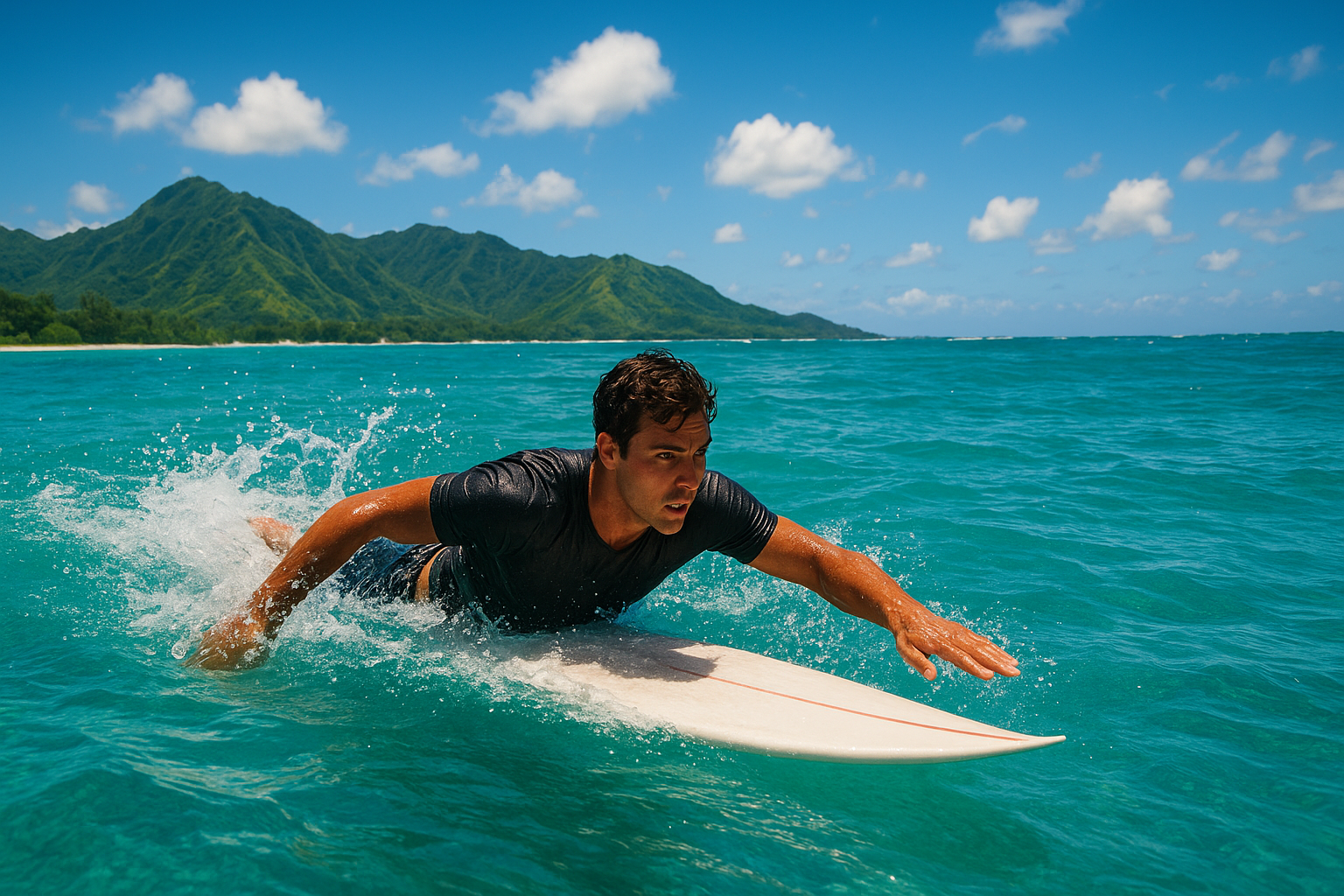
Stronger paddling technique is one of the most noticeable results of consistent surf fitness training.
Frequently Asked Questions About Surf Fitness Classes Hawaii
What is surf fitness classes Hawaii?
Surf fitness classes Hawaii is a term for structured training programs that build the strength, balance, and endurance surfers need to paddle, pop up, and ride waves effectively. Classes typically combine bodyweight exercises, balance drills, and cardio conditioning tailored to ocean movement patterns.
How do surf fitness classes improve surfing performance?
Surf fitness classes strengthen the shoulders, core, and legs that drive paddling power and pop-up speed. As a result, surfers catch more waves per session and tire less quickly during long ocean sessions.
Why is surf-specific fitness training different from regular gym workouts?
Regular gym routines rarely mimic the unstable, rotational movements surfing demands. In contrast, surf fitness training uses balance boards, paddling simulations, and functional core work to replicate real wave-riding conditions.
How much do surf fitness classes in Hawaii typically cost?
Prices vary by school and session length, but standalone surf fitness classes generally run less than private surf lessons, often between $25 and $60 per session. Package deals that bundle fitness training with surf coaching can lower the per-class cost.
How long does it take to see results from surf fitness training?
Most participants notice improved paddling endurance and balance within two to four weeks of consistent training. However, results depend on session frequency and individual starting fitness levels.
What should beginners expect in a first surf fitness class?
Beginners can expect a warm-up, basic balance drills, and light paddling simulations designed to introduce proper form without overwhelming new muscles. Instructors typically scale intensity based on the group’s experience.
Are surf fitness classes suitable for older adults or families?
Yes, surf fitness classes can be adapted for older adults and families since exercises are scalable to different fitness levels. Many coastal schools in Hawaii welcome participants across a wide age range.
What common mistakes should I avoid when starting surf fitness training?
A common mistake is skipping the warm-up or ignoring shoulder mobility work, which increases injury risk during paddling drills. Another frequent error is training too intensely too soon instead of building endurance gradually.
How do surf fitness classes compare to yoga for surfers?
Yoga primarily improves flexibility and mental focus, while surf fitness classes target functional strength, balance, and cardio specific to paddling and popping up. Many surfers combine both for a well-rounded routine.
What equipment is needed for surf fitness classes in Hawaii?
Basic equipment typically includes a balance board, resistance bands, and a mat, all usually provided by the surf school. Participants generally only need comfortable athletic wear and water.
Can surf fitness classes help prevent surfing injuries?
Yes, targeted conditioning strengthens the shoulders, lower back, and core muscles most prone to surfing strain. Consequently, well-conditioned surfers experience fewer overuse injuries during regular sessions.
How often should I attend surf fitness classes each week?
Two to three sessions per week is generally sufficient to build noticeable strength and endurance gains without overtraining. Spacing sessions around surf lesson days allows muscles adequate recovery time.
Final Thoughts on Surf Fitness Classes Hawaii
Ultimately, surf fitness classes Hawaii offer a practical bridge between land-based training and confident wave riding. By focusing on paddling strength, balance, and core stability, these programs help surfers of every level progress faster while reducing injury risk. Whether you are preparing for your very first lesson or refining technique after years in the water, combining structured fitness training with expert coaching, such as the programs available at Star Beachboys, remains one of the most effective ways to build lasting skill and enjoy Hawaii’s waves safely.