Eco-friendly surf schools Hawaii travelers search for combine expert wave instruction with genuine respect for the ocean environment that makes surfing possible. As sustainable travel becomes a priority for visitors and residents alike, more surf schools across the islands are adopting reef-safe practices, biodegradable equipment, and conservation-focused teaching philosophies. This guide explains what makes a surf school truly eco-friendly, how to spot greenwashing, and which practices genuinely protect Hawaii’s coastline for future generations.
In short, eco-friendly surf schools in Hawaii typically use reef-safe sunscreen, sustainably sourced or recycled surfboards, small class sizes to reduce reef disturbance, and instructors trained in ocean conservation. Look for schools that participate in beach cleanups, avoid single-use plastics, and actively educate students about local marine ecosystems.

Small class sizes are a hallmark of eco-friendly surf schools Hawaii travelers trust most.
What Is an Eco-Friendly Surf School?
An eco-friendly surf school is a surf instruction business that actively minimizes its environmental footprint while teaching students to ride waves safely. These schools prioritize reef-safe products, sustainable equipment, and conservation education alongside traditional surf coaching.
Unlike standard surf operators, eco-conscious schools train instructors to explain why certain practices matter. For example, students often learn why chemical sunscreens harm coral reefs before they ever paddle out. As a result, lessons become an opportunity for environmental awareness, not just athletic skill-building.
In particular, Hawaii’s fragile coral ecosystems make this approach especially important. Furthermore, many eco-friendly schools partner with local conservation groups, participate in beach cleanups, or donate a portion of proceeds to reef restoration projects. Consequently, choosing a school with these values supports both your surf education and the health of the islands you’re visiting.
How to Find Eco-Friendly Surf Schools Hawaii Visitors Trust
Finding eco-friendly surf schools Hawaii travelers can rely on takes a bit of research beyond a quick online search. Specifically, look for schools that publish their sustainability practices clearly on their website rather than making vague claims.
For instance, Star Beach Boys and similar Oahu-based operators often highlight small class sizes, experienced local instructors, and a genuine connection to the surrounding beach community. In addition, checking recent reviews for mentions of environmental practices can reveal whether a school’s claims match reality.
Above all, a trustworthy eco-friendly surf school will be transparent about its equipment sourcing, sunscreen policies, and any conservation partnerships. If you want a deeper breakdown of what separates quality programs from the rest, this detailed guide on what sets surfing schools apart in Oahu covers additional criteria worth reviewing before booking.
Why Sustainable Surfing Matters in Hawaii
Sustainable surfing matters in Hawaii because the islands’ coral reefs and marine life directly support the wave conditions surfers depend on. Therefore, protecting these ecosystems isn’t just an environmental nicety — it’s essential to preserving the sport itself.
According to NOAA, coral reefs buffer coastlines from erosion and support the biodiversity that keeps Hawaii’s waters healthy (NOAA Ocean Service). When reefs degrade, wave breaks can change, water clarity suffers, and marine life declines — all of which affect the surf experience.
In addition, Hawaii became the first state to ban the sale of sunscreens containing oxybenzone and octinoxate, chemicals linked to coral bleaching, a law that took effect in 2021. As a result, many surf schools now stock or require mineral-based, reef-safe sunscreen for every lesson. This single policy shift illustrates how local regulation and surf tourism practices increasingly work together to protect the ocean.
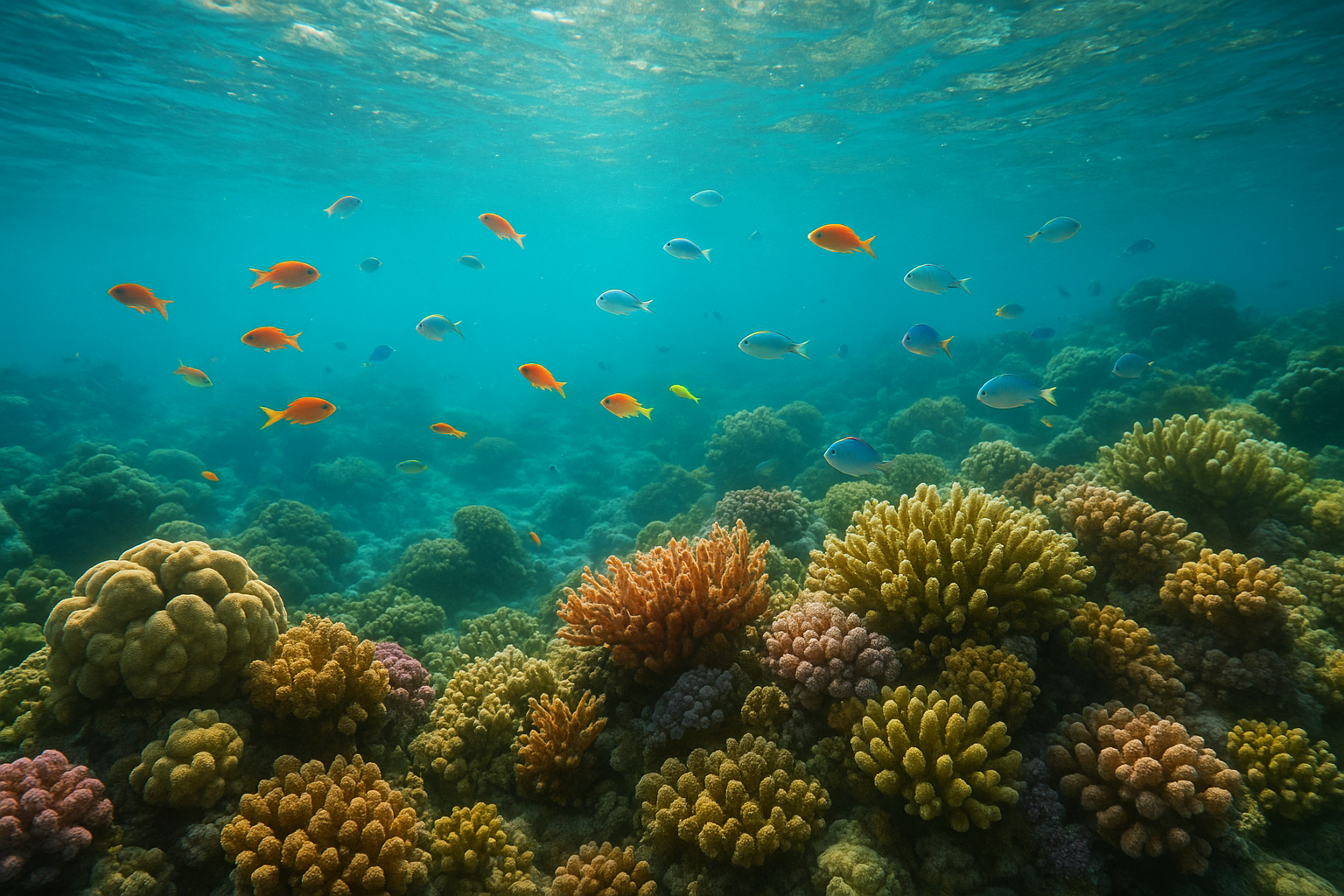
Protecting coral reefs is central to how sustainable surf schools in Hawaii operate.
Key Features of Green Surf Lessons in the Islands
Green surf lessons share several identifiable traits, regardless of which island you visit. Recognizing these features helps you separate genuinely sustainable programs from those simply using eco-friendly language as a marketing tactic.
- Reef-safe sunscreen: Instructors provide or require mineral-based sunscreen free of oxybenzone and octinoxate.
- Sustainable equipment: Boards are repaired and reused rather than replaced frequently, and some schools use boards made from recycled or bio-based materials.
- Small class sizes: Fewer students per instructor reduces foot traffic on sensitive reef areas.
- Local hiring practices: Employing local instructors supports the community and often comes with deeper ecological knowledge of the specific break.
- Conservation education: Lessons include brief explanations of marine life, currents, and reef etiquette.
Together, these features create a lesson experience that respects the ocean while still delivering excellent instruction. Similarly, many affordable programs manage to include these practices without charging premium prices — a topic explored further in this guide to affordable surf schools in Oahu.
How to Choose an Eco-Conscious Surf School: A Step-by-Step Guide
Choosing the right program doesn’t have to be complicated. Follow these steps to evaluate any eco-conscious surf school before booking your lesson.
- Research the school’s sunscreen policy by checking whether they require or provide mineral-based, reef-safe sunscreen for every student before entering the water.
- Ask about equipment sourcing and maintenance practices, including whether boards are repaired and reused rather than discarded after minor damage occurs.
- Check average class sizes and beach access routes, since smaller groups and designated paths reduce unnecessary reef and sand dune disturbance.
- Look for conservation partnerships, beach cleanup participation, or donations to local marine restoration projects mentioned on the school’s website or social media.
- Read recent customer reviews specifically mentioning environmental practices, instructor knowledge of marine ecosystems, and overall respect for the surrounding coastline.
For a broader overview of the entire selection process, this complete guide to choosing a surfing school in Hawaii walks through additional factors like certifications and safety records.
The Environmental Impact of Surf Tourism in Hawaii
Surf tourism brings meaningful economic benefits to Hawaii, but it also places real pressure on coastal ecosystems. Consequently, understanding this impact helps travelers make more responsible choices.
For example, increased foot traffic on beaches can accelerate erosion, while overcrowded lineups sometimes damage shallow reef areas. In contrast, well-managed surf schools actively work to reduce these effects through education and limited group sizes.
The Surfrider Foundation, a nonprofit dedicated to ocean protection, notes that responsible surf tourism practices — including reef-safe products and waste reduction — play a measurable role in preserving surf breaks for future generations (Surfrider Foundation). Therefore, supporting schools that align with these values contributes directly to reef and coastline preservation.
Above all, travelers who choose eco-friendly surf schools Hawaii operators run are effectively voting with their dollars for a more sustainable surf tourism model, one that balances recreation with genuine environmental stewardship.
Eco-Friendly Surf Schools in Oahu Worth Considering
Oahu is home to numerous surf programs, but not all place equal emphasis on sustainability. When evaluating options, prioritize schools with a documented history of environmental responsibility alongside strong safety records.
Star Beach Boys, for instance, operates with experienced local instructors who understand Waikiki’s reef systems and tailor lessons to protect sensitive areas while still delivering a memorable ocean experience. You can learn more about their approach directly at Star Beach Boys.
In addition, if safety is your top priority alongside sustainability, this resource on finding the best surf lessons with a safety focus in Hawaii outlines what beginner-friendly, safety-conscious programs typically include. Combining safety and sustainability criteria gives you the clearest picture of a school’s overall quality.

Gentle morning conditions at Waikiki make it a popular spot for eco-conscious surf lessons.
Common Mistakes When Choosing a Sustainable Surf School
Even well-intentioned travelers make avoidable mistakes when selecting a surf program. Recognizing these pitfalls in advance can save time, money, and environmental impact.
Firstly, many people assume any school claiming to be “green” automatically follows sustainable practices, without verifying specific policies. Secondly, some travelers overlook class size, not realizing that larger groups increase reef and beach disturbance significantly. Thirdly, skipping reviews that mention environmental practices means missing valuable firsthand feedback.
Finally, focusing solely on price can lead to choosing operators who cut corners on both safety and sustainability. Instead, balance cost considerations with a school’s documented environmental commitments and safety record for the best overall experience.
Frequently Asked Questions About Eco-Friendly Surf Schools Hawaii
What is an eco-friendly surf school in Hawaii?
An eco-friendly surf school in Hawaii is a surf instruction business that minimizes environmental harm through reef-safe sunscreen policies, sustainable equipment practices, and conservation education. Many also participate in beach cleanups or partner with local marine organizations.
How do eco-friendly surf schools Hawaii operators protect coral reefs?
Eco-friendly surf schools Hawaii operators protect coral reefs by requiring mineral-based sunscreen, limiting class sizes near sensitive reef zones, and training instructors to teach reef etiquette. Some also support local restoration projects financially or through volunteer work.
Why is reef-safe sunscreen important for surfing lessons?
Reef-safe sunscreen avoids chemicals like oxybenzone and octinoxate, which studies link to coral bleaching even in small concentrations. Hawaii law has banned the sale of sunscreens containing these ingredients since 2021.
How much do eco-friendly surf lessons cost in Hawaii?
Eco-friendly surf lessons in Hawaii typically range from $75 to $150 per person for group lessons, with private lessons costing more. Prices vary based on location, instructor experience, and lesson length rather than sustainability practices alone.
How long does it take to learn to surf?
Most beginners can stand up and ride small waves within one to three lessons, though building real confidence usually takes several sessions. Consistent practice over multiple weeks produces the best long-term results.
What should beginners look for in a green surf school?
Beginners should look for small class sizes, reef-safe sunscreen policies, and instructors who explain ocean safety alongside environmental practices. Reading recent reviews that mention both safety and sustainability offers additional confidence.
Are eco-friendly surf schools more expensive than traditional ones?
Not necessarily. Many eco-friendly surf schools charge comparable rates to traditional operators, since sustainable practices like reef-safe sunscreen and reused equipment don’t significantly raise operating costs.
What common mistakes do travelers make when choosing a surf school?
Common mistakes include trusting vague “eco-friendly” marketing without verification, ignoring class size, and prioritizing price over safety and environmental record. Checking specific practices and recent reviews helps avoid these errors.
Is Oahu a good destination for eco-conscious surfing?
Yes, Oahu offers numerous beginner-friendly breaks alongside a growing number of surf schools committed to sustainable practices. Waikiki in particular provides gentle waves ideal for lessons focused on both skill-building and reef awareness.
What equipment do sustainable surf schools use?
Sustainable surf schools often use soft-top foam boards that are repaired and reused for years, along with reef-safe wax and biodegradable leashes where available. Reducing equipment turnover lowers overall environmental impact.
How can I tell if a surf school is greenwashing?
Watch for vague sustainability claims without specific policies, such as no mention of sunscreen requirements, class sizes, or conservation partnerships. Genuine eco-friendly schools typically provide clear, verifiable details on their websites or in person.
What is the best time of year for eco-friendly surf lessons in Hawaii?
Summer months generally offer calmer, more consistent conditions ideal for beginner lessons on Oahu’s south shores. However, reputable schools operate reef-conscious lessons year-round, adjusting locations based on seasonal swell patterns.
Do eco-friendly surf schools support local marine conservation?
Many do, through beach cleanup events, partnerships with conservation nonprofits, or direct donations tied to lesson bookings. Asking directly about these partnerships before booking is a reliable way to confirm genuine commitment.
Final Thoughts on Choosing Eco-Friendly Surf Schools Hawaii
Ultimately, eco-friendly surf schools Hawaii travelers choose should combine strong safety records with genuine, verifiable sustainability practices. From reef-safe sunscreen requirements to small class sizes and conservation partnerships, these details reveal whether a school’s environmental claims hold up in practice.
As Hawaii’s coastal ecosystems face ongoing pressure from tourism, selecting a school that respects the ocean helps preserve the very waves that make surfing here so special. Before booking your next lesson, take time to compare programs using the criteria outlined above, and don’t hesitate to ask schools directly about their environmental commitments. For more information on programs that balance sustainability with expert instruction, visit Star Beach Boys to explore lesson options firsthand.