The best surf beaches Hawaii has to offer are scattered across six islands, ranging from soft, forgiving rollers perfect for a first lesson to some of the heaviest big-wave arenas on the planet. Whether you’re paddling out for the very first time or chasing a barrel — the hollow, tube-shaped chamber of a breaking wave — at a world-famous reef, Hawaii’s coastline holds a wave that matches your exact skill level and appetite for adventure.
Because Hawaii is widely recognized as the birthplace of modern surfing, choosing the right beach is about more than convenience. In fact, matching your ability to the correct break — and visiting during the right season — often determines whether a session becomes the highlight of your trip or a genuinely dangerous mistake. This guide goes island by island, spot by spot, so you can find the safest and most rewarding wave for exactly where you are in your surfing journey.
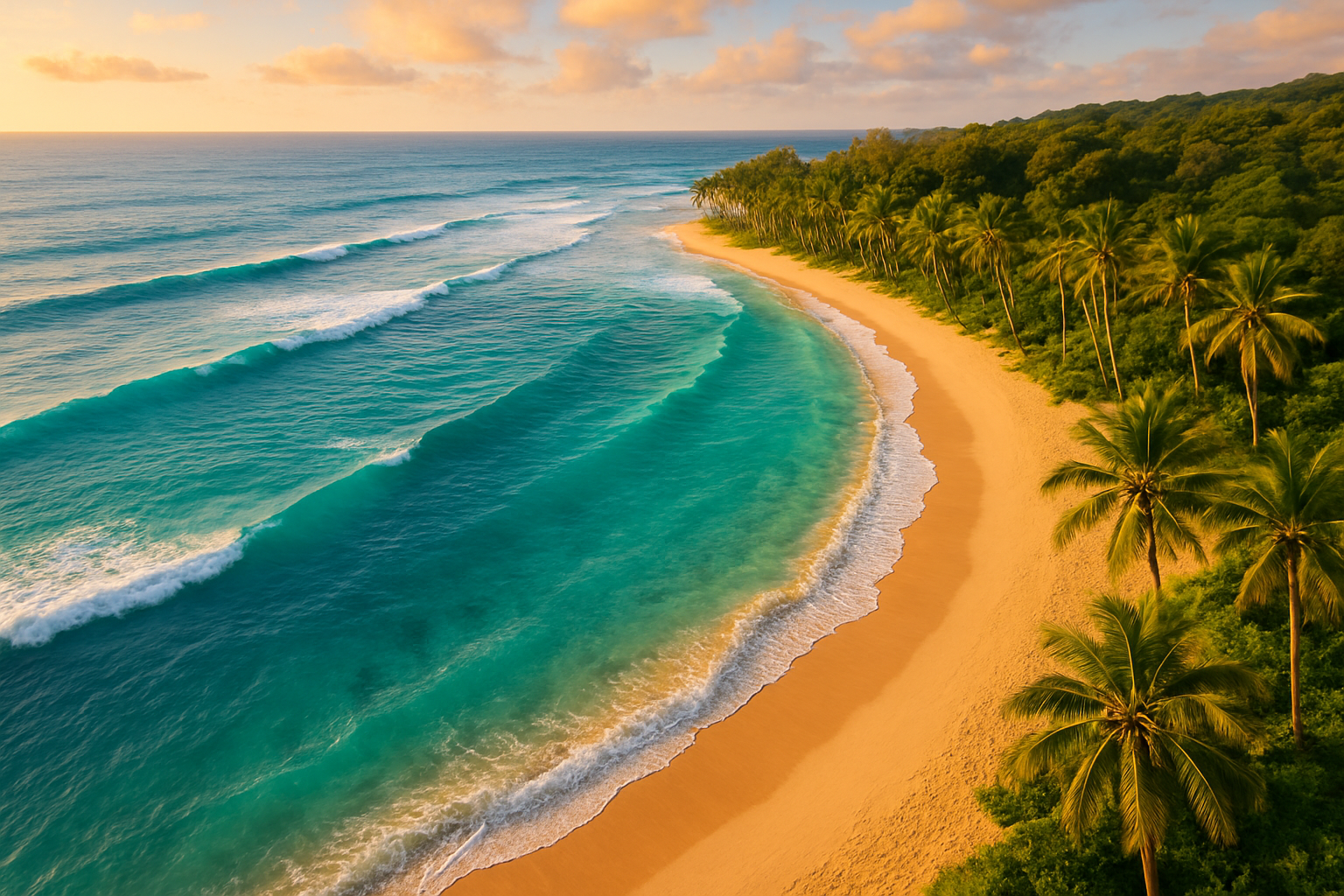
Hawaii’s coastlines offer an extraordinary variety of surf breaks, from mellow longboard waves to world-class barrels.
The Best Surf Beaches Hawaii Has for Every Skill Level
Before diving into the island-by-island breakdown, here’s a quick reference so you can jump straight to the right wave for your ability. Below is a fast snapshot of where to go, organized by experience level.
- Beginner: Waikiki Beach (Oahu), Launiupoko Beach Park (Maui), Poipu Beach (Kauai)
- Intermediate: Hanalei Bay in summer (Kauai), Banyans (Big Island), smaller-day Honolua Bay (Maui)
- Advanced: Sunset Beach (Oahu), Honolua Bay on a solid swell (Maui), Hanalei Bay’s north side in winter (Kauai)
- Expert only: Banzai Pipeline and Waimea Bay (Oahu), Peahi/Jaws (Maui)
Now, let’s look at exactly what makes each of these beaches tick, why they earn a spot on this list, and which season delivers each one at its very best.
What Makes Hawaii’s Surf Breaks So Special?
Hawaii’s best surf beaches stand out because of a rare combination of consistent swell exposure, varied reef and sand bottoms, and warm water that averages 75–82°F year-round. Unlike many surf destinations that depend on a single storm track, Hawaii sits directly in the path of swells from nearly every direction. Consequently, at least one shoreline on each island is almost always surfable, regardless of the season.
Additionally, the islands sit in the middle of the Pacific Ocean, which allows powerful North Pacific winter swells and gentler South Pacific summer swells to arrive with tremendous, uninterrupted energy. As a result, Hawaii hosts more elite professional surf competitions than almost any other destination on Earth, from the Triple Crown of Surfing to the Eddie Aikau Invitational.
Interestingly, Hawaii also uses its own wave measurement system, often called the “Hawaiian scale,” which measures a wave from the back rather than the face facing the surfer. In other words, a local report calling a swell “4 to 6 feet” may actually look like 8 to 10 feet from where you’re paddling. For up-to-date, science-based swell data, the National Weather Service’s Honolulu Forecast Office is one of the most reliable sources available before you head out.
A Brief History: How Hawaii Became the Birthplace of Surfing
Long before “surfing” was a word, ancient Hawaiians practiced he’e nalu — literally “wave sliding” — as a deeply spiritual and social tradition tied to chiefly rank and community life. Boards were carved from koa or wiliwili trees, and specific beaches were even reserved for royalty. This cultural depth is part of why locals take lineup etiquette so seriously today.
In the early 20th century, Olympic swimmer Duke Kahanamoku traveled the world giving surf demonstrations, effectively introducing the sport to Australia, California, and beyond. Because of his influence, Waikiki became the symbolic heart of surfing’s global spread — a legacy you can still feel paddling out there today.
North Shore Oahu: The World’s Surf Capital
When surfers picture the best surf beaches Hawaii offers, the North Shore of Oahu comes to mind first. This seven-mile stretch of coastline concentrates some of the most powerful, perfectly shaped waves on the planet, particularly between November and February.
Banzai Pipeline
Pipeline is arguably the most photographed wave in the world. It breaks over a shallow, sharp coral reef, producing hollow, cylindrical barrels that can reach 20 feet during peak winter swells. However, Pipeline is strictly for expert surfers — the reef is unforgiving, and wipeouts can be life-threatening. Even so, watching a session from the beach is an unforgettable experience in itself.
Sunset Beach
Just a short drive from Pipeline, Sunset Beach delivers powerful, shifting peaks that challenge even the most experienced surfers. Because the wave is wide and unpredictable, it demands strong paddling and excellent wave-reading ability. Sunset hosts professional competitions each winter as part of the prestigious Triple Crown of Surfing.
Waimea Bay
Waimea Bay is famous for big-wave surfing, with faces regularly exceeding 30 feet during major winter swells. In contrast, during calmer summer months, the bay transforms into a peaceful swimming and snorkeling spot. The Eddie Aikau Invitational, one of surfing’s most prestigious big-wave events, is held here — but only when waves reach at least 30 feet, a threshold so rarely met that the event has run just a handful of times in decades.
Rocky Point and Off the Wall
Between the famous names, two lesser-hyped North Shore spots deserve attention. Rocky Point offers punchy, playful waves suited to progressing intermediates on smaller swells, while Off the Wall — right next to Pipeline — serves up short, sharp barrels for advanced surfers who want fewer crowds than its famous neighbor.
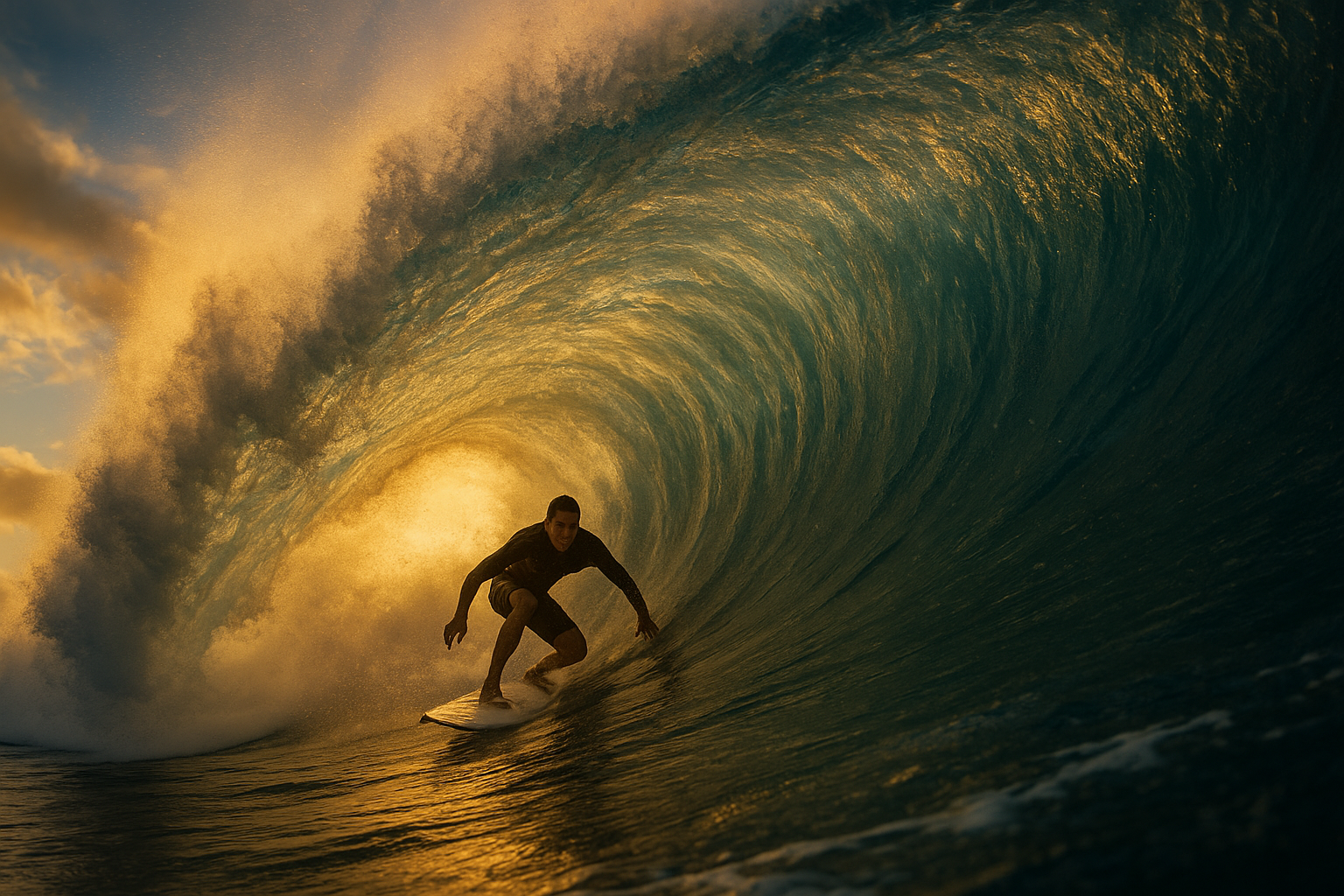
The North Shore of Oahu delivers the kind of powerful, hollow barrels that define elite competitive surfing.
Waikiki Beach: Oahu’s Best Surf Beach for Beginners
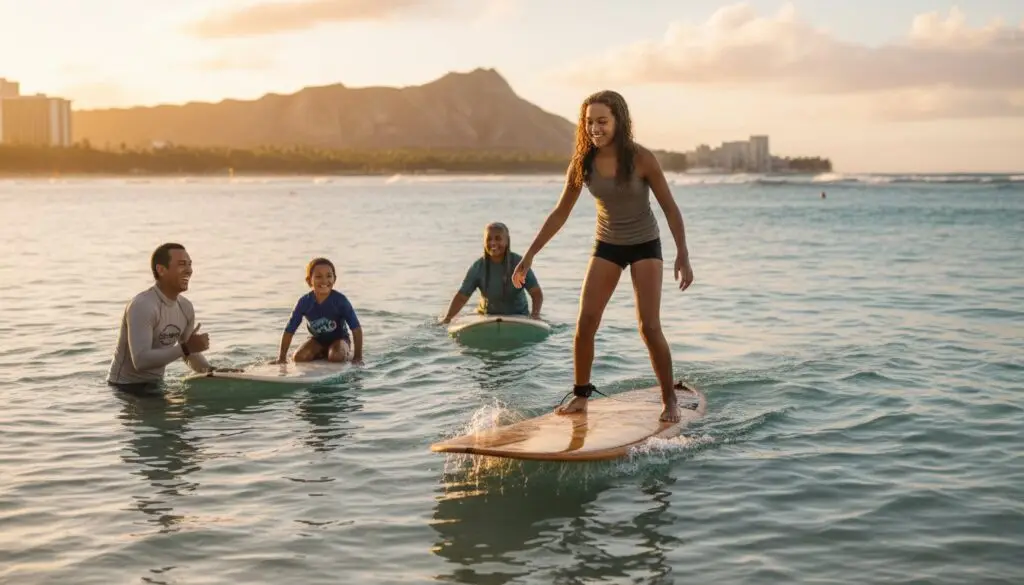
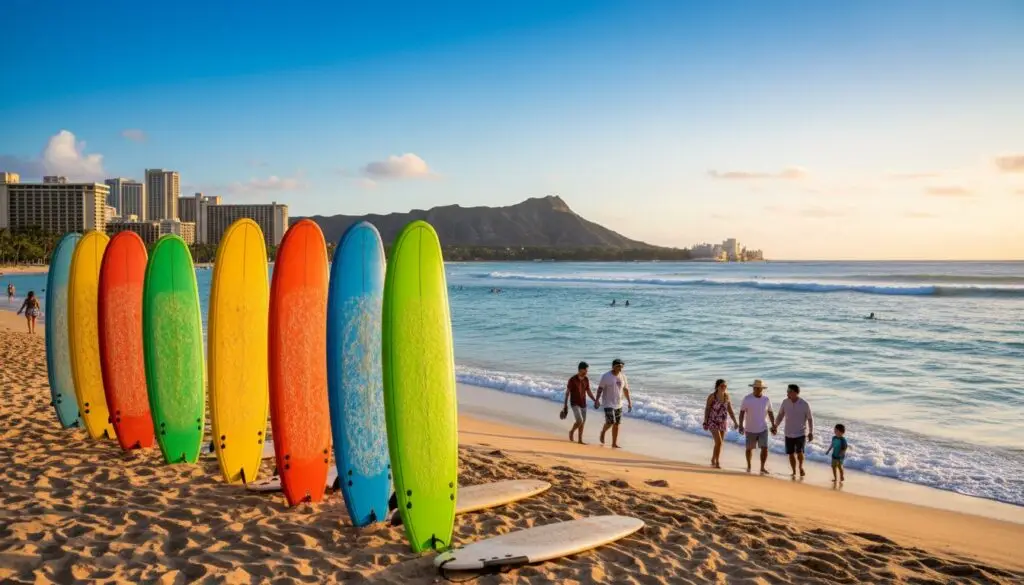
Waikiki Beach on Oahu’s south shore is where the Hawaiian tradition of surfing has been shared with the world for over a century. The waves here are long, gentle, and forgiving, making them perfect for first-time surfers. Furthermore, the sandy bottom greatly reduces the risk of injury from wipeouts, which is precisely why so many lessons happen here every single day.
Dozens of surf schools and instructors operate daily along Waikiki, and rental boards are available everywhere. For those looking to book a lesson or rent gear before hitting the water, resources like Star Beach Boys provide convenient beachside services right on Waikiki. The summer months, from June through September, bring the most consistent south swells to this stretch of shore.
Not every stretch of Waikiki breaks the same way, though. Some sandbars suit total beginners while others are better suited to intermediates looking to progress. For a spot-by-spot breakdown, see our guide on which beaches in Waikiki are best for surfing lessons. And if you’d rather rent your own board than take a lesson, our complete guide to surfboard rentals in Waikiki covers prices, tips, and where to rent.
Maui’s Top Surf Destinations
Maui is home to some of Hawaii’s most diverse surf conditions. From beginner-friendly beach breaks to the most terrifying big wave in the world, the Valley Isle covers the full spectrum of what makes it one of the best surf beaches Hawaii has on offer.
Peahi (Jaws)
Peahi, known as Jaws, sits on Maui’s north shore and produces waves that can exceed 60 feet during peak winter swells. As a result, it is reserved exclusively for elite tow-in and paddle surfers. Watching from the cliffs above, however, is accessible to anyone and remains one of the most dramatic spectacles in all of ocean sports.
Honolua Bay
Honolua Bay is widely considered one of the best right-hand point breaks in the world. When a solid northwest swell arrives in winter, the wave peels perfectly for long, high-performance rides. Because the bay is a marine preserve, the water is exceptionally clear, adding to the experience. Intermediate to advanced surfers will find it most rewarding.
Launiupoko Beach Park
For beginners visiting Maui, Launiupoko Beach Park on the west side offers small, slow waves that break over a shallow reef. Many local families and surf instructors use this spot for lessons, making it a welcoming environment for newcomers. The calm, protected conditions make it one of the safest places to learn on the island.
Hookipa Beach Park
On Maui’s north shore, Hookipa Beach Park is famous for both surfing and windsurfing, with strong trade winds that draw watersports athletes from around the world. Morning sessions tend to be glassier and better suited to surfing before the afternoon wind picks up.
Kauai and the Big Island: Hawaii’s Hidden-Gem Surf Beaches
Beyond Oahu and Maui, Kauai and the Big Island offer exceptional surf experiences with far fewer crowds. Consequently, they appeal to surfers who prefer a more remote and authentic session over a packed lineup.
On Kauai, Hanalei Bay delivers long, mellow waves on its south side during summer and more powerful surf on the north side in winter. Poipu Beach on the south shore is another beginner-friendly option with consistent, manageable waves. Meanwhile, the Big Island’s Banyans break near Kailua-Kona is a favorite among local intermediate surfers, offering fun reef waves with a relaxed atmosphere. Pine Trees, also near Kailua-Kona, adds a slightly punchier alternative for surfers ready to step up from Banyans.
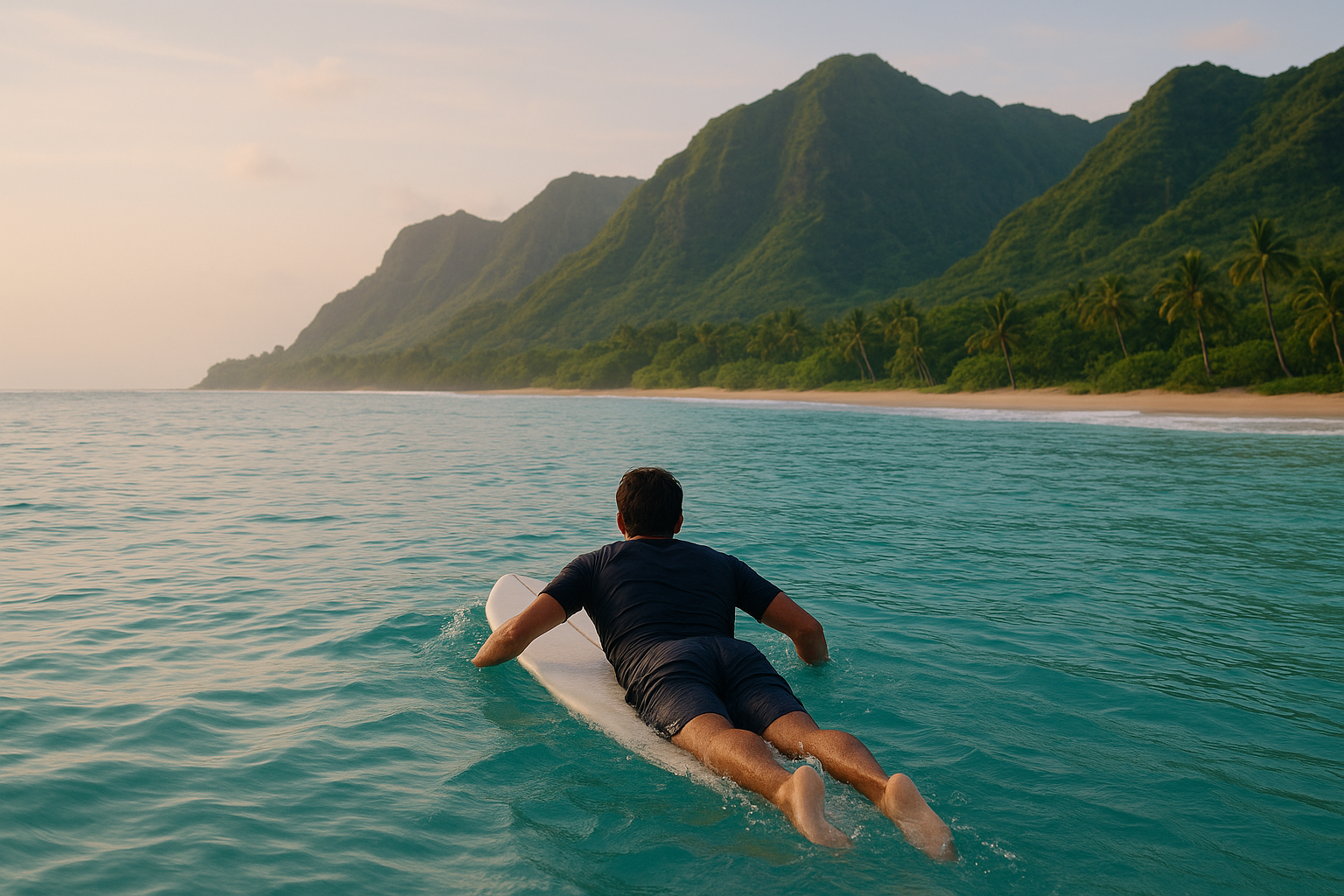
Kauai’s uncrowded surf breaks reward those willing to explore beyond Oahu’s well-known shores.
Molokai and Lanai: For Surfers Who Crave Solitude
If crowds are your biggest concern, Molokai and Lanai are worth the extra effort. Both islands have far fewer surf schools and visitors than Oahu or Maui, so lineups are noticeably quieter. However, swells here can be less consistent, and services like board rentals or lessons are limited, so this route suits self-sufficient, experienced surfers more than first-timers.
Best Time of Year to Surf Hawaii’s Top Beaches
Timing matters enormously when chasing the best surf beaches Hawaii has to offer. Specifically, the North Shore of Oahu sees its biggest, most consistent swells from November through February, driven by storms far up in the North Pacific. In contrast, the south shores of Oahu, Maui, and Kauai come alive from June through September, when smaller but reliable South Pacific swells roll in.
- Winter (Nov–Feb): North Shore Oahu, Peahi, Kauai’s north shore
- Summer (Jun–Sep): Waikiki, Launiupoko, Poipu, Hanalei’s south side
- Year-round with local checks: Big Island breaks near Kailua-Kona, which stay relatively consistent thanks to their western exposure
Ocean Safety: What Every Surfer Must Know Before Paddling Out
Even the best surf beaches in Hawaii carry real risk, so safety should never be an afterthought. Rip currents — narrow, fast-moving channels of water flowing away from shore — are among the most common hazards, and swimming directly against one only causes exhaustion. Instead, swim parallel to shore until you’re free of the current, then angle back in. For detailed, science-backed guidance, the NOAA rip current safety page is an excellent resource to review before your trip.
Sharp reef, sea urchins, and coral cuts are also common at breaks like Pipeline or Honolua Bay, so reef-safe booties and a basic first-aid kit are smart additions to any surf bag. Additionally, always respect protected marine life — sea turtles and monk seals are common near the water’s edge, and Hawaiian law prohibits approaching them too closely. Finally, never surf alone at an unfamiliar break, and always ask a lifeguard about current conditions before entering the water.
How to Choose the Right Surf Beach for Your Skill Level
Choosing correctly is critical for both safety and enjoyment. Follow these five steps every time you plan a session, whether it’s your first day on a board or your fiftieth trip to Hawaii.
- Assess your skill level honestly. Rate your paddling strength, wave-reading ability, and comfort in ocean currents before choosing a break, since overestimating your ability at a powerful spot like Sunset Beach can be genuinely dangerous.
- Check the swell direction and size forecast. Review a reliable surf forecast for swell direction, period, and height, because a beach that is glassy and small on one day can turn hazardous within hours when a new swell fills in.
- Match the bottom type to your experience. Choose sandy-bottom beaches such as Waikiki or Launiupoko if you are still learning, and save sharp reef breaks like Pipeline or Honolua Bay for once you have solid wipeout control.
- Consider crowd levels and lineup etiquette. Pick a less crowded break or arrive early at popular spots, and always respect Hawaiian lineup etiquette by waiting your turn and never dropping in on another surfer’s wave.
- Book a local lesson or rental if you’re unsure. Contact a trusted local outfitter such as Star Beach Boys or a certified surf school to get board rentals, real-time condition reports, and personalized guidance suited to your exact skill level.
If you’re still unsure how to vet a school or instructor, our complete guide to choosing a surfing school in Hawaii walks through exactly what to look for. And if you’re simply trying to find where lessons are offered near you, see where to find surfing lessons in Hawaii. Finally, always respect Hawaiian surf culture — locals take their breaks seriously, and simple courtesy in the water goes a long way toward a positive experience at any beach.
Quick Answer: What are the best surf beaches in Hawaii?
The best surf beaches Hawaii offers include Pipeline and Sunset Beach on Oahu’s North Shore for experts, Waikiki for beginners, Honolua Bay and Peahi on Maui for advanced surfers, and Hanalei Bay on Kauai for a crowd-free experience. The right beach depends entirely on your skill level and the current season.
Frequently Asked Questions About Hawaii’s Best Surf Beaches
What are the best surf beaches in Hawaii for beginners?
The best surf beaches in Hawaii for beginners include Waikiki Beach on Oahu, Launiupoko Beach Park on Maui, and Poipu Beach on Kauai. These spots feature gentle, rolling waves and sandy bottoms that make learning to surf safe and enjoyable. Surf schools and rental equipment are readily available at all three locations.
Which Hawaiian island has the best surfing overall?
Oahu is widely considered the best island for surfing overall, thanks to the legendary North Shore breaks. However, Maui and Kauai also offer world-class waves for experienced surfers seeking variety and fewer crowds.
When is the best time to surf in Hawaii?
The North Shore of Oahu sees its biggest swells from November through February, while the south shores are most active from June through September. Because Hawaii receives swells from multiple directions, there is always somewhere surfable year-round.
Is Pipeline safe for beginner surfers?
No, Pipeline is not safe for beginners. It breaks over a shallow, sharp reef with powerful hollow barrels and is considered one of the most dangerous waves in the world. Only expert surfers with extensive reef experience should attempt it.
What is the biggest wave surf spot in Hawaii?
Peahi (Jaws) on Maui’s north shore is Hawaii’s biggest wave spot, with faces reaching 60 feet or more during peak winter swells. It attracts the world’s elite big-wave surfers and is a dramatic spectacle even from the viewing cliffs above.
Do I need to rent a surfboard or can I bring my own?
Most travelers find it easier to rent a surfboard on arrival, as rental shops are plentiful near all major surf beaches. Bringing your own board is an option, but airline fees and the risk of damage during transit make rentals a practical choice for most visitors.
Are there surf lessons available at Hawaiian beaches?
Yes, surf lessons are widely available at most of Hawaii’s popular beaches. Waikiki in particular has dozens of instructors and surf schools operating daily, making it the top destination for first-time surfers seeking professional guidance. For a deeper walkthrough, see our Best Surf Instructors in Waikiki.
What makes North Shore Oahu so famous for surfing?
North Shore Oahu is famous for powerful winter swells generated by North Pacific storms, which produce some of the largest and most perfectly shaped waves on Earth. It hosts several professional surfing competitions each winter, including the prestigious Triple Crown of Surfing at Pipeline and Sunset Beach.
Can I surf in Hawaii year-round?
Yes, Hawaii offers surfable waves year-round because the islands receive swells from both the North and South Pacific. Different beaches are better at different times of year, so it is always worth checking a surf forecast to find the best conditions for your visit.
What should I watch out for when surfing in Hawaii?
Key hazards include sharp reef, strong currents, large surf, and crowded lineups at popular breaks. Always check local surf reports, respect lineup etiquette, and never surf beyond your ability level. Additionally, be aware of sea turtles and other marine life protected under Hawaiian law.
Is Sunset Beach good for intermediate surfers?
Sunset Beach is generally recommended for advanced surfers due to its powerful and unpredictable swells. However, during smaller summer swells, intermediate surfers with solid ocean experience may find manageable conditions there.
What surf spots does Maui offer beyond Jaws?
Beyond Jaws, Maui offers excellent surf at Honolua Bay, a world-class right-hand point break, and Hookipa Beach Park, famous for both surfing and windsurfing. Launiupoko Beach Park provides calmer waves ideal for beginners and families.
How crowded are the surf breaks in Hawaii?
Popular breaks like Waikiki and Pipeline can get very crowded, especially during peak season. In contrast, less-known spots on Oahu’s Leeward Coast or the remote shores of Molokai tend to be far less crowded for those seeking a quieter session.
What is the Hawaiian wave height scale, and why do wave sizes look smaller than they measure?
Hawaii uses the “Hawaiian scale,” which measures wave height from the back of the wave rather than the face. As a result, a wave described as “6 feet Hawaiian” can have a face height of 10 to 12 feet from a surfer’s perspective, so it’s wise to mentally add a few feet when checking local reports.
What safety gear should I bring to Hawaii’s best surf beaches?
Beyond a leash and reef-safe sunscreen, surfers should pack reef booties for sharp lava-rock breaks, a rash guard for sun protection, and a basic first-aid kit for reef cuts. Advanced surfers tackling big-wave spots like Waimea Bay or Peahi should also carry a personal flotation vest.
Are Molokai and Lanai worth visiting for surfing?
Yes, Molokai and Lanai reward surfers who prioritize solitude over convenience. Both islands have far fewer surf schools and crowds than Oahu or Maui, though swells can be less consistent and services are limited, so visitors should be self-sufficient and experienced in reading unfamiliar breaks.
Conclusion
The best surf beaches Hawaii offers span every skill level and every island, from the gentle rolling waves of Waikiki to the towering faces of Jaws on Maui. By matching your ability to the right break, checking the season and forecast, and respecting both the ocean and local etiquette, you’ll find that Hawaii delivers one of the most rewarding surf experiences on the planet. Do your research, respect the ocean, and enjoy every wave. For a deeper walkthrough, see our Best Surf Lessons in Waikiki: How to Find the Right School and Instructor.