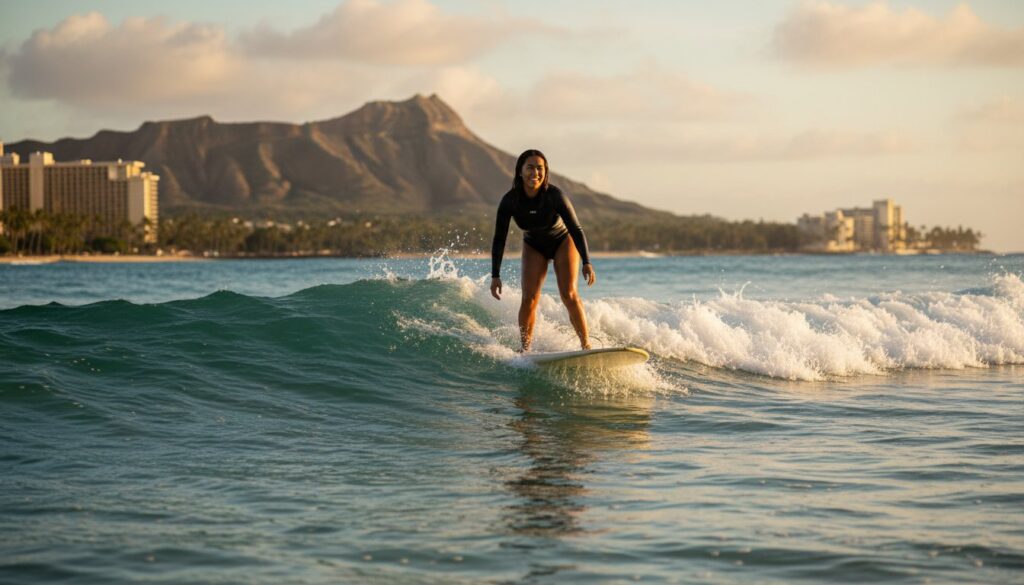
Hawaiian surfing lessons are guided instruction sessions where certified local instructors teach you to paddle, balance, and ride ocean waves on the iconic shores of Hawaii. Whether you are a first-time visitor or a returning traveler, learning to surf in Hawaii connects you to one of the world’s oldest and most celebrated ocean traditions. This guide was written by Star Beach Boys instructors — see the author bio for credentials and experience.
Waikiki Beach in Honolulu remains the most popular destination for wave riding lessons, and for good reason. Its warm turquoise water, consistent gentle swells, and sandy bottom create a forgiving environment that allows most students to stand up on their board within the very first lesson.
What Are Hawaiian Surfing Lessons and What Should You Expect?
Hawaiian surfing lessons are structured learning experiences that combine on-beach instruction with hands-on time in the water. A typical beginner session lasts between 60 and 90 minutes. First, your instructor covers the fundamentals on dry sand — paddling technique, how to pop up from lying to standing, and proper foot placement on the board.
After the beach portion, you move into the water with your instructor close by. They guide you into position, help you catch waves, and offer real-time feedback as you attempt to stand. Because Waikiki’s waves are small and slow-rolling, the experience feels supportive rather than intimidating — even for those who have never been in the ocean before.
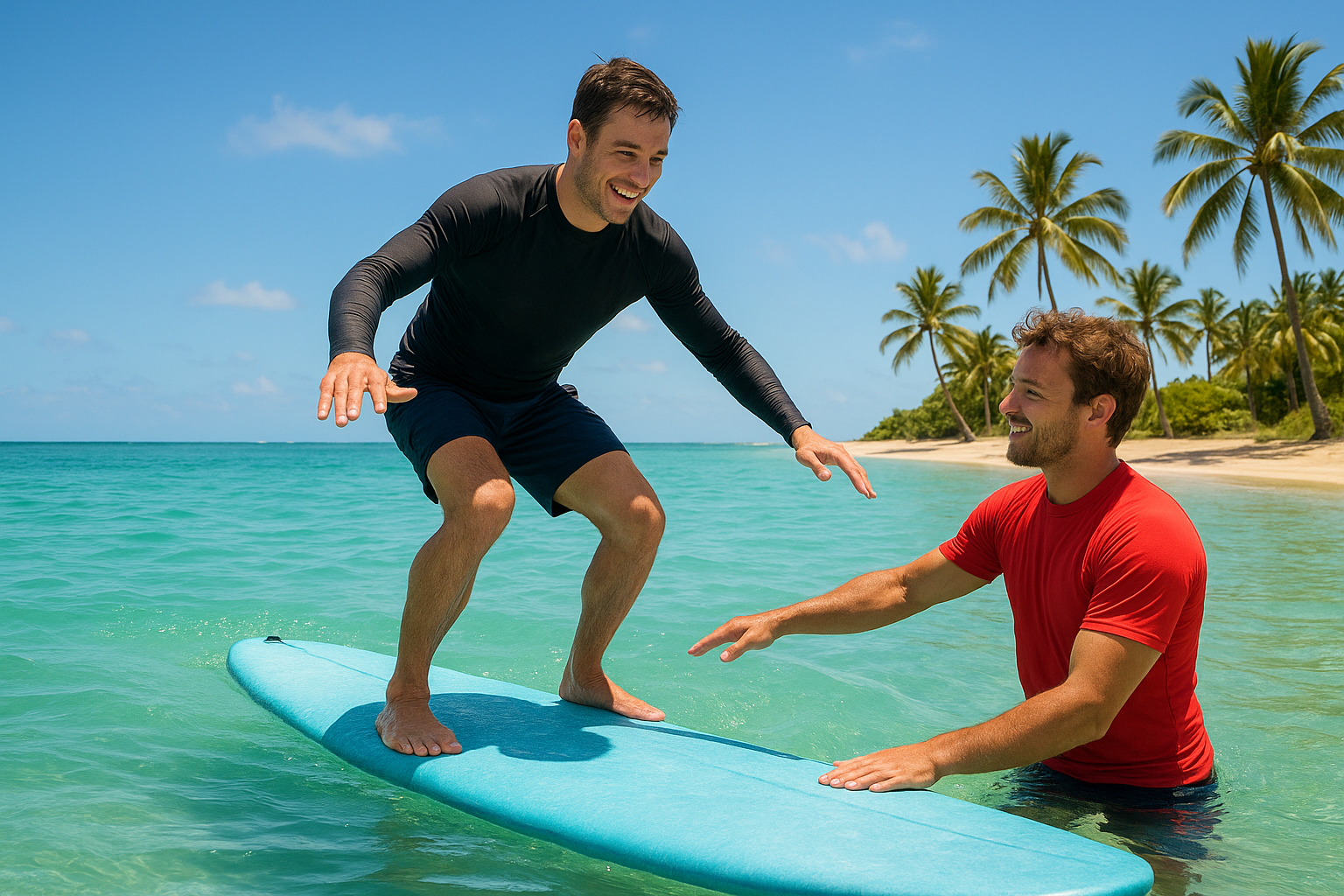
A certified instructor guides a beginner through their first waves during Hawaiian surfing lessons at Waikiki. For a deeper walkthrough, see our Family Surf Lessons in Waikiki, Oahu: The Ultimate 2026 Ohana Guide.
Why Waikiki Is the World’s Best Classroom for Hawaiian Surfing Lessons
According to Wikipedia’s overview of Waikiki, the area has been a center of Hawaiian culture and ocean recreation for centuries. Today, it is home to dozens of surf schools that cater to every skill level, from complete novices to intermediate surfers looking to refine their technique.
Several factors make Waikiki uniquely ideal for learning. The reef layout creates slow, predictable waves that break gradually, giving beginners extra time to react. Additionally, the water temperature hovers around 75–80°F year-round, so there is no need for a wetsuit. As a result, students can focus entirely on technique rather than managing cold or discomfort.
Meanwhile, the shallow water near shore means that falling off your board — which every beginner does — rarely results in injury. The sandy bottom and wide boards used in beginner lessons further reduce any risk, making Waikiki one of the safest surf environments on the planet.
How to Prepare for Your First Surf Lesson in Hawaii
Preparing properly ensures you get the most out of your time in the water. Follow these six steps before your lesson:
- Choose the right surf school. Research schools with certified instructors, strong reviews, and transparent safety policies. Schools based directly on Waikiki Beach offer the most convenient access and local expertise.
- Book your lesson in advance. Especially during summer months, popular schools fill up quickly. Therefore, reserving your spot online or by phone ahead of time is strongly recommended.
- Pack the right items. Bring reef-safe sunscreen, a swimsuit, a towel, and a water bottle. Confirm with your school whether a rash guard and surfboard are included.
- Arrive early and stretch. Show up at least 15 minutes before your lesson to check in, stretch your shoulders and hips, and get comfortable with the beach surroundings.
- Pay close attention during beach instruction. The on-sand portion is where your instructor demonstrates the pop-up technique, paddling form, and stance. This foundation directly determines how quickly you progress in the water. For a deeper walkthrough, see our How Can I Improve My Surfing Skills Quickly? A Complete Expert Guide.
- Enter the water and commit. Follow your instructor’s timing cues, paddle hard when directed, and trust the process. Most first-timers ride a wave within their opening session.
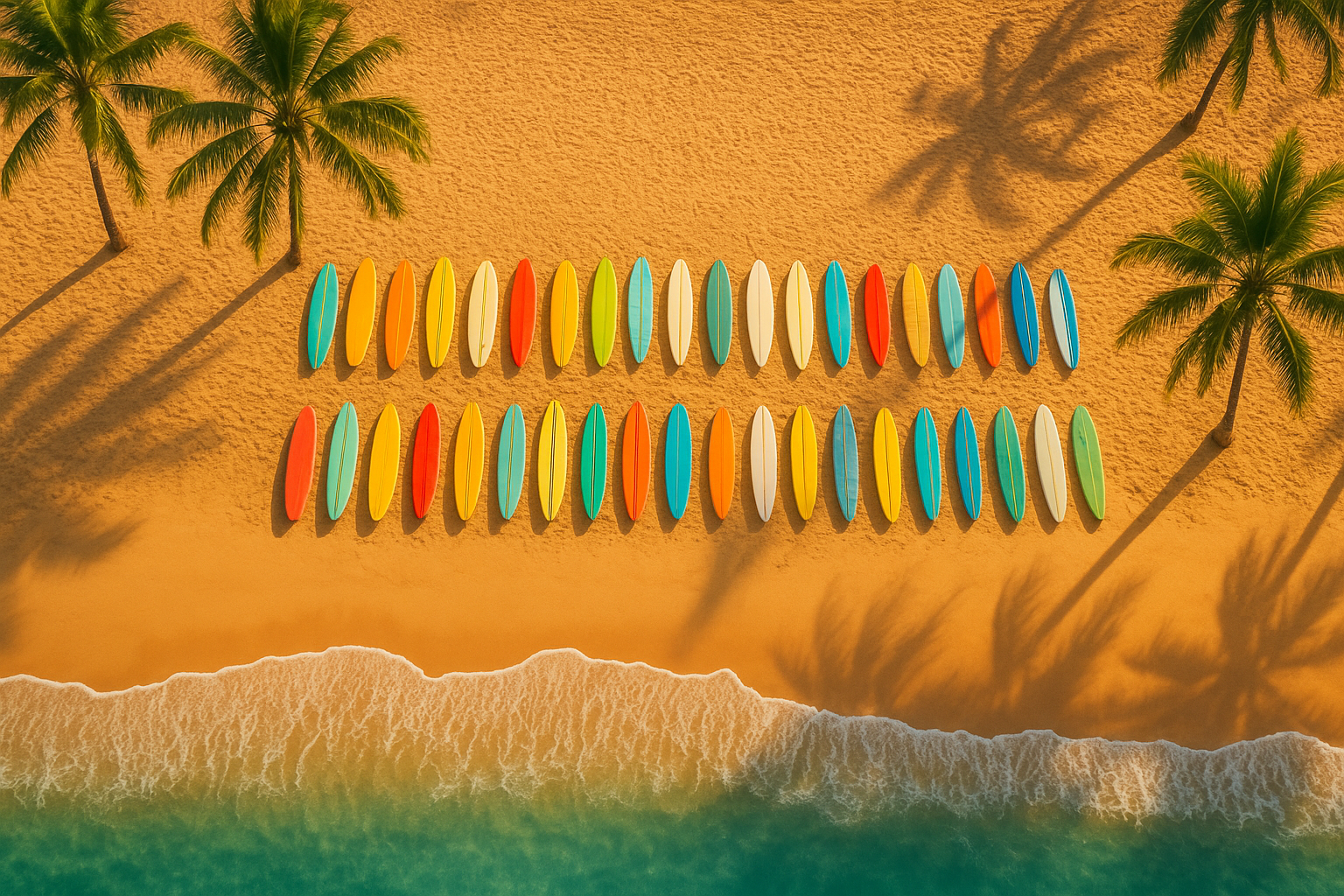
Foam longboards lined up on the sand — the essential equipment for any beginner surf lesson in Hawaii.
Group Lessons vs. Private Lessons: Which Is Right for You?
One of the first decisions you will make is whether to book a group or private lesson. Both options have genuine advantages, and the right choice depends on your goals and budget.
Group lessons typically cost between $40 and $75 per person and are a fantastic way to enjoy the social energy of learning alongside others. Instructors manage small groups of 4 to 8 students, so you still receive meaningful individual attention. Additionally, many travelers find that cheering each other on adds to the fun.
Private lessons, in contrast, range from $100 to $200 per hour and give you one-on-one coaching tailored entirely to your pace and skill level. For example, if you are working on a specific technique like trimming along the wave face, a private instructor can dedicate the entire session to that goal. Private lessons are also ideal for children, as instructors can adjust their communication style and positioning in the water.
The Cultural Heart of Surfing: Honoring Hawaiian Tradition
Surfing — known in the Hawaiian language as heʻe nalu, meaning “wave sliding” — originated in ancient Polynesia and was central to Hawaiian society for centuries. Chiefs and commoners alike surfed, and the sport carried deep spiritual significance. However, it nearly disappeared during the colonial era before Hawaiian cultural figures like Duke Kahanamoku revived and spread it globally in the early 20th century.
Today, taking a surf lesson in Hawaii is therefore more than a vacation activity. It is an opportunity to engage respectfully with a living cultural tradition. Many local instructors weave this history into their teaching, sharing stories about the beach and its significance while guiding you through the waves.
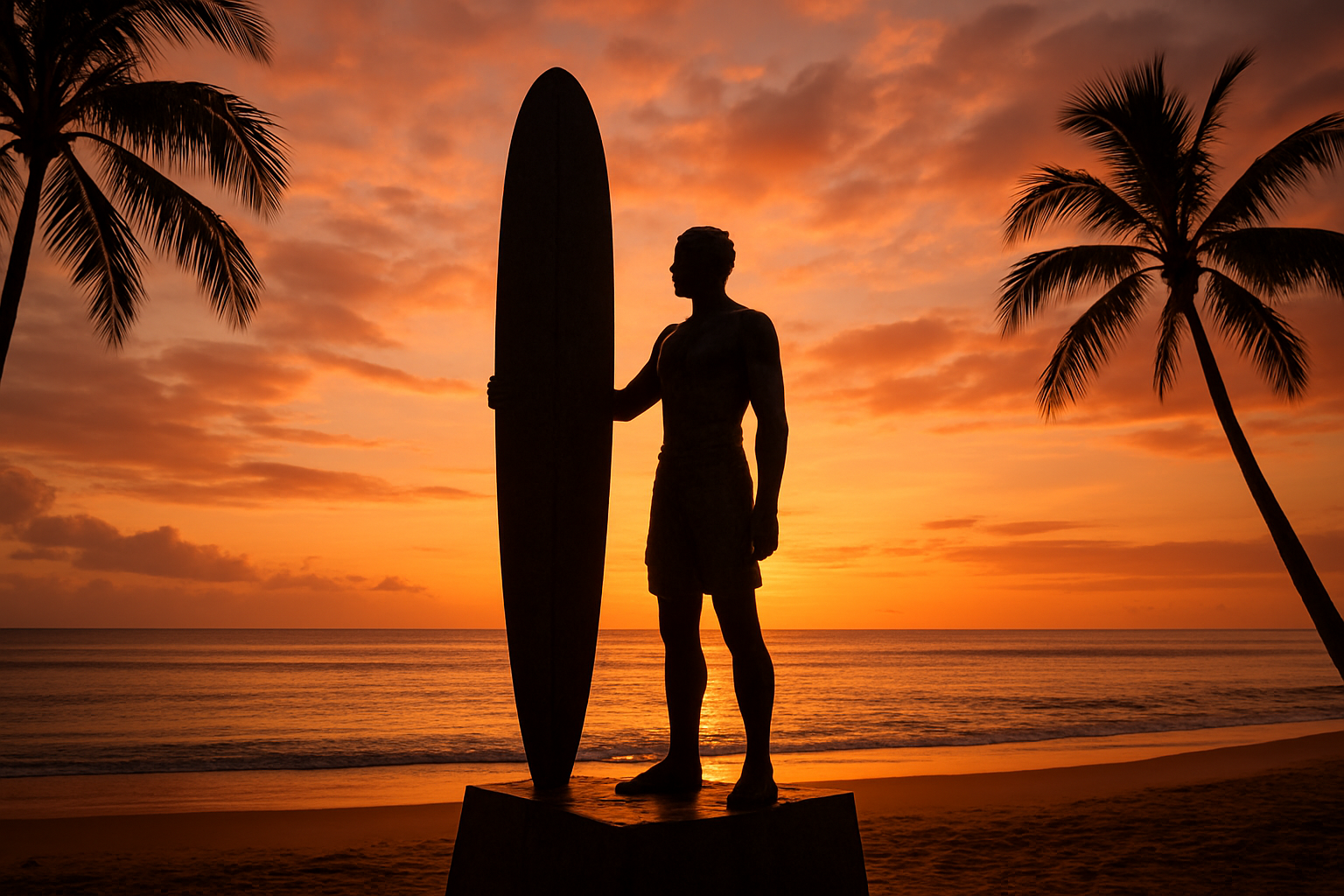
Surfing’s roots in Hawaii run deep — learning to surf here means connecting with centuries of ocean tradition.
Common Mistakes Beginners Make and How to Avoid Them
Even on Waikiki’s forgiving waves, beginners consistently make a handful of avoidable mistakes. Being aware of them before your lesson gives you a head start.
Looking down at the board is the most common error. Instead, keep your gaze forward toward the shore. Your body naturally follows your eyes, so looking ahead helps you maintain balance and direction.
Popping up too slowly causes the wave to pass beneath you. The pop-up must be a single fluid motion — not a two-step push-up. Practice this on the sand until it feels instinctive.
Standing too far back on the board causes the nose to rise and the board to stall. Your front foot should be centered over the board’s midpoint. Meanwhile, bending your knees lowers your center of gravity and dramatically improves stability.
Finding the Right Surf School on Waikiki Beach
With dozens of surf schools operating on Waikiki, choosing the right one can feel overwhelming. However, a few clear criteria make the decision straightforward. First, look for schools with instructors certified by the National Association of Underwater Instructors (NAUI) or equivalent ocean safety organizations. Certification ensures your instructor has been trained in both surfing technique and water rescue. For specific options, see Best Waikiki surf lessons.
Additionally, read recent reviews on Google and travel platforms to gauge real student experiences. Schools that operate directly on the beach — rather than requiring a shuttle or walk — save valuable time and keep the experience seamless. Star Beach Boys, for example, is a Oahu surf lessons provider offering both group and private lessons with experienced local instructors who know the break intimately.
Finally, confirm the student-to-instructor ratio before booking. A ratio of 4:1 or lower ensures you receive enough individual attention to make genuine progress during your session.
Quick Answer: What Makes Hawaiian Surf Lessons Worth It?
Hawaiian surfing lessons combine world-class wave conditions, certified local instructors, and rich cultural context in a single experience. Most beginners stand up on their first lesson, and the warm water, gentle breaks, and expert guidance make Hawaii the easiest and most rewarding place on earth to learn to surf.
Frequently Asked Questions
What are Hawaiian surfing lessons?
Hawaiian surfing lessons are guided instruction sessions where certified local instructors teach students to paddle, pop up, and ride ocean waves on Hawaiian beaches. Sessions typically last 60 to 90 minutes and include all necessary equipment. Waikiki Beach in Honolulu is the most popular location for these lessons worldwide. Learn more about Honolulu surf lessons.
Do I need any experience to take surf lessons in Hawaii?
No prior experience is required. Most Hawaiian surf schools design beginner programs specifically for first-timers, starting with beach instruction before entering the water. Waikiki’s small, slow-rolling waves make it one of the safest places in the world to learn. Learn what to expect in your first surfing lesson.
How much do surf lessons in Hawaii cost?
Group surf lessons typically cost between $40 and $75 per person. Private one-on-one lessons range from $100 to $200 per hour. Prices vary by school, session length, and group size.
What is the best beach in Hawaii to learn to surf?
Waikiki Beach in Honolulu is widely considered the best beach in Hawaii for learning to surf. Its shallow reef, consistent gentle waves, and warm water create ideal conditions for beginners of all ages.
What should I bring to a surf lesson in Hawaii?
Bring reef-safe sunscreen, a swimsuit, a towel, and water. Most schools provide surfboards and rash guards, but it is worth confirming when you book. Avoid bringing valuables to the beach that you cannot secure safely.
How long does it take to stand up on a surfboard?
Most beginners can stand up on a surfboard within their very first lesson, especially in Waikiki’s forgiving conditions. However, building consistent balance and wave-reading skills typically takes several sessions over days or weeks.
Are surf lessons in Hawaii safe for children?
Yes, surf lessons in Hawaii are generally very safe for children. Reputable schools use wide, soft-top foam boards and keep beginner groups in shallow, calm water. Most schools accept students as young as 5 or 6 years old.
What is the best time of year to take surf lessons in Hawaii?
Hawaii’s warm climate makes surf lessons enjoyable year-round. However, summer months (May through September) typically offer calmer south swells on Waikiki, which are ideal for beginners. Winter brings larger north swells better suited for experienced surfers.
What size surfboard is used in beginner lessons?
Beginner surf lessons almost always use large, soft-top foam longboards ranging from 8 to 10 feet in length. These boards offer maximum stability and buoyancy, making it much easier to balance and catch waves.
Can I take a private surf lesson in Hawaii?
Yes, private surf lessons are widely available across Hawaiian beaches. A private lesson gives you one-on-one time with an instructor, allowing for faster skill development and personalized feedback. They are especially recommended for those who want to progress quickly or have specific goals.
How do I choose a reputable Hawaiian surf school?
Look for schools with certified instructors, strong online reviews, clear safety policies, and proper licensing. Schools operating directly on Waikiki Beach — such as Star Beach Boys — offer convenient access and experienced local instructors with deep knowledge of the break.
What is the cultural significance of surfing in Hawaii?
Surfing — known as heʻe nalu in Hawaiian — originated in ancient Polynesia and was practiced by both commoners and royalty for centuries. Taking a surf lesson in Hawaii therefore connects you to a rich, living cultural tradition that is central to Hawaiian identity.
Conclusion: Why Hawaiian Surfing Lessons Belong on Your Bucket List
Hawaiian surfing lessons offer something genuinely rare: the chance to learn a skill rooted in centuries of cultural tradition, in some of the most beautiful water on earth, guided by instructors who grew up riding these very waves. Whether you choose a group session for the social energy or a private lesson for focused coaching, the experience is accessible, safe, and deeply rewarding. This article was written by Star Beach Boys' lead instructors and local coaches to share authentic guidance. Last updated: 2026-06-27.
Because Waikiki’s conditions are so forgiving, the vast majority of students ride their first wave within a single session. As a result, even travelers with just one free afternoon can leave Hawaii with a genuine surfing story to tell. Therefore, if you are planning a trip to Honolulu, booking a surf lesson should be at the top of your itinerary — not an afterthought.
In practice, the hardest part of taking Hawaiian surfing lessons is choosing where to start. Begin with a reputable school on Waikiki Beach, show up ready to learn, and let the ocean do the rest.