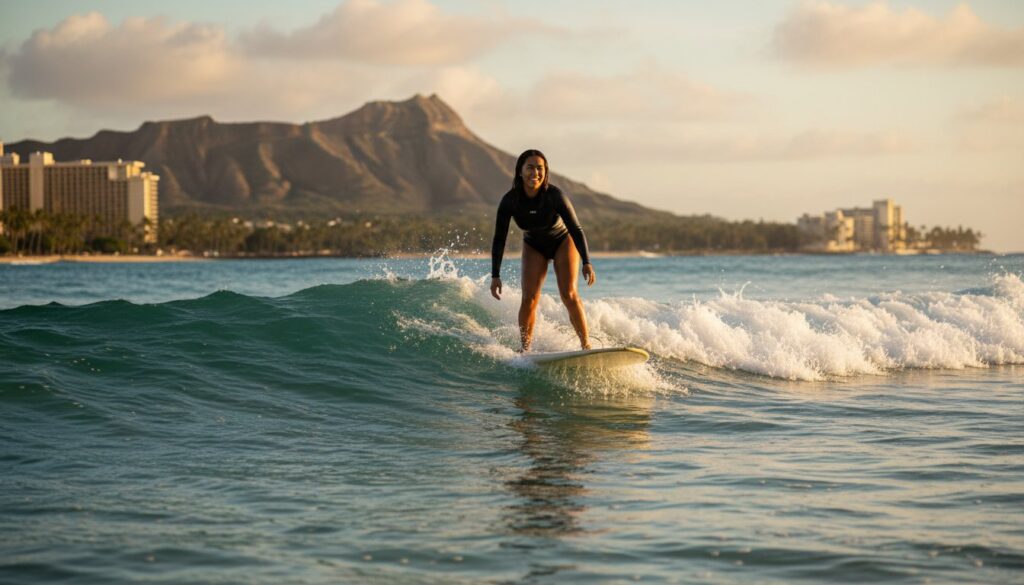
Waikiki surf lessons for beginners and intermediate surfers offer a rare mix of forgiving whitewash close to shore and lively, rideable swells farther out, all within a short walk of the hotels along Kalakaua Avenue. Because the reef breaks off Waikiki Beach stay small and consistent for much of the year, new surfers can often stand up on their very first day, while returning surfers sharpen turns on faster peaks. In short, Waikiki surf lessons for beginners and intermediate riders work so well because the bay itself acts like a natural classroom, with gentle water inside and punchier waves outside. This guide explains how to know your level, what each lesson format includes, and how to pick an instructor who matches your goals.
Quick answer: Waikiki surf lessons for beginners and intermediate surfers combine small, sheltered reef breaks for first-timers with faster outer sections for surfers polishing pop-ups and turns, usually run as 90-minute to two-hour group, semi-private, or private sessions with a certified instructor.
What Are Waikiki Surf Lessons for Beginners and Intermediate Surfers?
Waikiki surf lessons for beginners and intermediate surfers are structured ocean sessions built around Waikiki’s layered reef system. In particular, the water near shore breaks in small, slow-moving whitewash, which is ideal for first-timers learning to pop up. Farther out, unbroken swells give returning surfers a chance to practice angled take-offs and simple turns.
A certified instructor typically leads the session, starting with a land briefing on safety, board handling, and ocean etiquette. As a result, even complete beginners understand the basics before ever touching the water. According to Wikipedia’s overview of surfing, the sport’s fundamentals of balance, timing, and wave reading remain consistent worldwide, which is why structured coaching accelerates progress compared with self-teaching.
For a broader look at how these lessons fit into the wider Oahu surf scene, the detailed breakdown at this Honolulu surf lessons guide is a useful companion resource.
Beginner or Intermediate? How to Know Which Waikiki Surf Class Fits You
Before booking, it helps to honestly assess your current skill level. Consequently, most schools ask a few quick questions to place surfers in the right class rather than letting anyone guess.
- Beginner: Never surfed, or only caught a handful of whitewash waves on vacation.
- Beginner-plus: Can stand up in whitewash but struggles with timing on green waves.
- Intermediate: Paddles out independently, catches green waves, and rides in a fairly straight line.
- Intermediate-plus: Comfortable turning, reading wave shape, and adjusting position in the lineup.
If you fall between two categories, mention that when booking. Instructors regularly adjust wave selection and coaching cues mid-lesson once they see your paddling and pop-up technique in the water.

Small, rolling whitewash near shore is where most Waikiki surf lessons for beginners and intermediate surfers begin.
Why Waikiki’s Waves Suit New and Improving Surfers Alike
Waikiki’s south shore faces a broad, shallow reef shelf that breaks swell energy gradually rather than all at once. Therefore, wave faces tend to be softer and more forgiving than beaches exposed directly to open ocean swell. This gradual breaking pattern is what makes the same stretch of coastline usable by surfers at very different levels on the same morning.
Seasonal swell direction also matters. Summer typically brings smaller, cleaner south swells, which is why many schools schedule the bulk of their lessons between April and September. The NOAA overview of wave basics explains how swell period and direction shape wave size, which helps explain why Waikiki stays comparatively calm for much of the year.
In contrast, winter can bring larger, more powerful surf to Oahu’s shores generally, though Waikiki’s reef structure still keeps its inside sections more manageable than north or west shore breaks during that period.
Group, Semi-Private, or Private: Comparing Waikiki Surf Lesson Formats
Once you know your skill level, the next decision is lesson format. Each option trades cost against personal attention, so it helps to compare them side by side.
| Format | Best For | Typical Group Size | Duration |
|---|---|---|---|
| Group | Budget-conscious beginners, families | 4 to 8 students | 90 minutes |
| Semi-Private | Couples, friends wanting more feedback | 2 to 3 students | 90 minutes to 2 hours |
| Private | Intermediate surfers refining technique | 1 student | 1 to 2 hours |
For a side-by-side look at specific Waikiki schools and pricing, the comparison at this Waikiki surf lessons fit guide is worth reading before you book.
A Step-by-Step Beginner Surf Lesson Progression in Waikiki
Most beginner sessions follow a similar sequence, regardless of the school. Understanding this progression in advance helps set realistic expectations for your first lesson.
- Instructors explain ocean safety, board parts, and lead dry-land pop-up practice on the sand so the movement feels familiar before entering the water.
- Students practice paddling technique in shallow water, learning how to duck under small waves and position the board correctly before heading toward the break.
- The instructor pushes the surfer into small, broken whitewash waves so they can feel the board’s momentum and practice standing up in a controlled, low-risk zone.
- Once timing improves, students attempt standing up without a push, building the balance and speed needed to eventually ride unbroken sections of the wave.
- In later lessons, confident beginners move slightly outside to catch small unbroken waves, marking the transition point toward intermediate-level surfing skills.

Riding an unbroken wave face is the milestone that separates beginner and intermediate progress in Waikiki surf lessons.
Leveling Up: What Intermediate Surf Lessons in Waikiki Cover
Intermediate surf lessons in Waikiki shift focus away from basic pop-ups toward wave reading and positioning. Instructors typically move students slightly outside the whitewash zone, closer to where waves are still forming.
From there, coaching centers on angled take-offs, so surfers learn to catch a wave at a diagonal instead of straight toward shore. This small adjustment allows for longer rides and sets up the next skill: basic turns, such as bottom turns and gentle cutbacks. Additionally, instructors introduce lineup etiquette, including how to judge priority and avoid dropping in on another surfer.
For a step-by-step breakdown tailored to this exact transition, the guide at this Oahu beginner-to-intermediate guide covers additional drills worth practicing between lessons.
How to Choose the Right Surf School for Your Skill Level
Choosing a school matters as much as choosing a lesson format. Above all, look for instructors with formal training, small class ratios, and a track record specific to Waikiki’s reef breaks rather than generic beach coaching.
Star Beach Boys, for example, positions its programs around exactly this progression, offering personalized coaching for complete beginners as well as refinement-focused sessions for intermediate surfers looking to add turns and improve wave selection. The school serves tourists, families, and local residents alike, which means instructors are used to adjusting pace for mixed-experience groups.
Before booking anywhere, it’s worth browsing full program details directly at starbeachboys.com, and comparing that against the dedicated Waikiki surf lessons page for current class options.
What Do Waikiki Surf Lessons Cost, and How Long Do They Take?
Cost is often the deciding factor between formats. Generally, group lessons in Waikiki range from roughly 75 to 120 dollars per person, while private sessions commonly run between 150 and 250 dollars per hour depending on instructor experience and season.
In terms of time, most first lessons last 90 minutes to two hours, which includes the land briefing, paddle-out, and water time. According to travel industry surveys, the majority of first-time surfers need between two and five lessons before catching green waves independently, which is a useful benchmark when budgeting for a Hawaii trip.
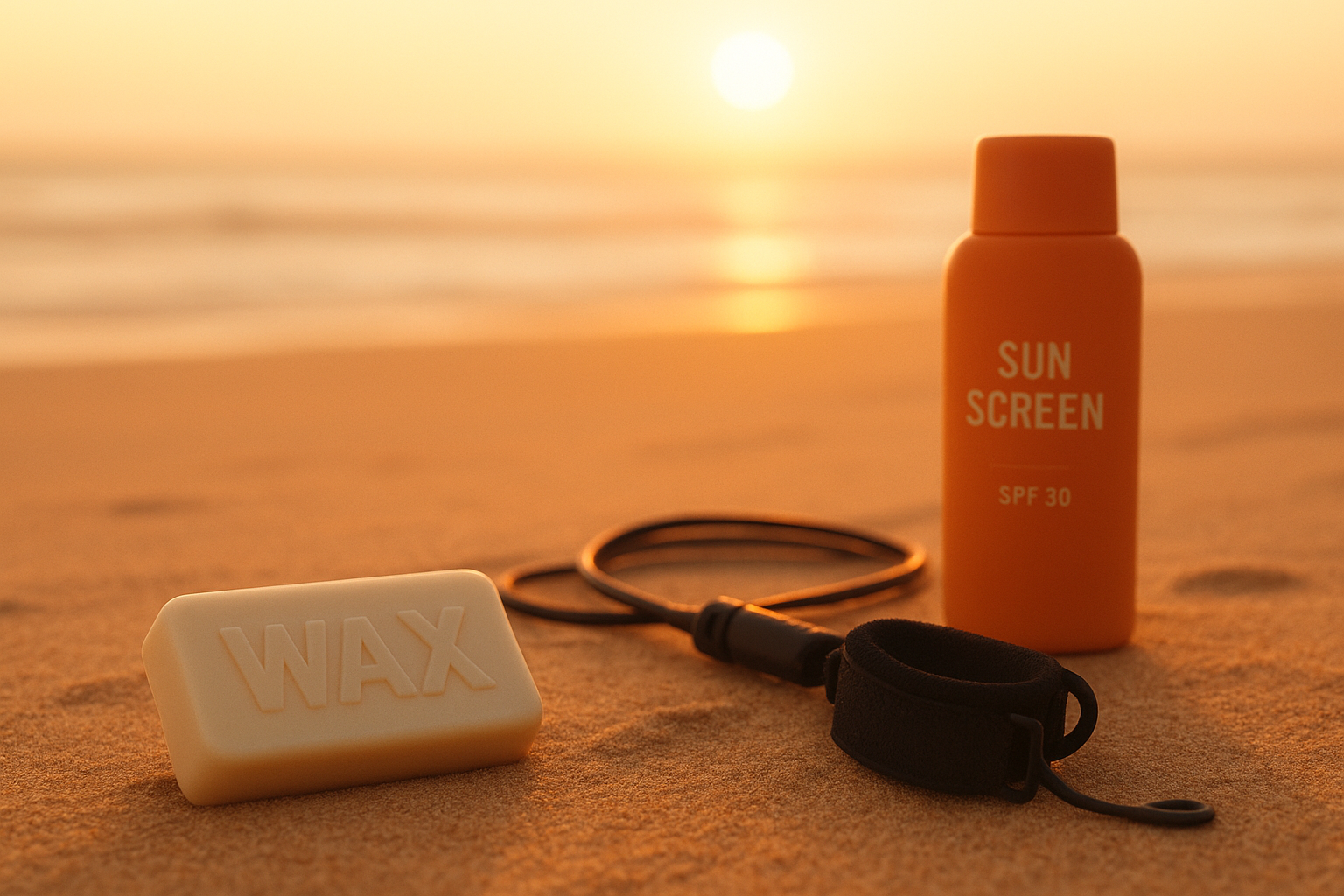
Basic prep, from wax to sunscreen, sets the tone for a smooth Waikiki surf lesson.
Common Mistakes Beginner and Intermediate Surfers Should Avoid
Even with good instruction, a few recurring mistakes slow progress. Recognizing them ahead of time helps surfers correct course faster.
- Standing up too late or too early, which causes the board to stall or nosedive instead of gliding.
- Looking down at the feet instead of ahead, which throws off balance and direction.
- Skipping ocean safety basics like checking currents, which the American Red Cross water safety guidance addresses in general terms.
- Rushing toward advanced maneuvers before mastering straight-line rides and basic wave selection.
Frequently Asked Questions About Waikiki Surf Lessons for Beginners and Intermediate
What are Waikiki surf lessons for beginners and intermediate surfers?
Waikiki surf lessons for beginners and intermediate surfers are guided ocean sessions that use Waikiki’s small inside reef breaks for first-timers and its faster outer sections for surfers refining turns and timing. Sessions are led by certified instructors and typically run 90 minutes to two hours.
How do I know if I am a beginner or intermediate surfer?
If you have never stood on a surfboard or only caught a few whitewash waves, you are a beginner. If you can consistently pop up, ride a green wave face, and attempt turns, you are likely intermediate.
How long does a Waikiki surf lesson last?
Most group and semi-private lessons last 90 minutes to two hours, including a land briefing and paddle-out time. Private lessons can be shorter or extended based on the surfer’s goals.
What is the difference between group, semi-private, and private surf lessons?
Group lessons place four to eight students with one or two instructors and cost less per person. Semi-private lessons pair two or three surfers with an instructor for more feedback, while private lessons offer one-on-one coaching at a higher price.
How much do Waikiki surf lessons cost?
Group lessons in Waikiki commonly range from roughly 75 to 120 dollars per person, while private lessons often run 150 to 250 dollars per hour depending on the school and instructor experience. Prices vary by season and lesson length.
Why is Waikiki considered good for both beginner and intermediate surfers?
Waikiki’s reef system creates layered breaks, with gentle inside whitewash for new surfers and firmer, faster peaks farther out for improving riders. This natural zoning lets one beach serve very different skill levels at once.
What should I wear to a Waikiki surf lesson?
A swimsuit or rash guard with board shorts works well, since Hawaii’s water temperature rarely requires a wetsuit. Reef-safe sunscreen and a hat for before or after the session are also recommended.
Do I need to know how to swim to take a surf lesson?
Yes, basic swimming ability is required for safety, since surfers fall off the board and need to swim back to it. Most schools ask about swimming comfort before booking.
What is the biggest mistake beginner surfers make in Waikiki?
The most common mistake is standing up too late or too early relative to the wave’s energy, which causes the board to stall or nosedive. Instructors correct timing through repeated whitewash practice before moving to green waves.
How many lessons does it take to surf independently?
Many beginners can catch and ride whitewash waves confidently after two to three lessons, while paddling out and catching green waves alone often takes five or more sessions. Progress depends on fitness, ocean comfort, and lesson frequency.
What do intermediate surf lessons in Waikiki focus on?
Intermediate lessons focus on reading wave shape, positioning further outside, angling take-offs, and adding basic turns like bottom turns and cutbacks. Instructors also teach wave selection and basic surf etiquette for shared lineups.
Is there a best time of year for Waikiki surf lessons?
Waikiki’s south shore is most consistent for lessons from roughly April through September, when swells stay small and manageable. Winter can bring larger, more powerful surf that is better suited to advanced riders.
Can families with children take Waikiki surf lessons together?
Yes, many schools welcome children alongside parents in group or private formats, using longer, more stable boards for younger or first-time surfers. Instructors adjust pacing so mixed-age groups can progress together safely.
Final Thoughts on Choosing Waikiki Surf Lessons
Ultimately, Waikiki surf lessons for beginners and intermediate surfers succeed because the beach itself accommodates both learning curves at once. Beginners get gentle whitewash to build fundamentals, while intermediate surfers move outside to practice angled take-offs and turns on faster, unbroken waves.
Whichever format you choose, group, semi-private, or private, matching the lesson to your honest skill level matters more than picking the cheapest or most popular option. For more detail on nearby options and current availability, the resources at this Waikiki surf lessons resource hub and starbeachboys.com are good starting points before your first session in the water.