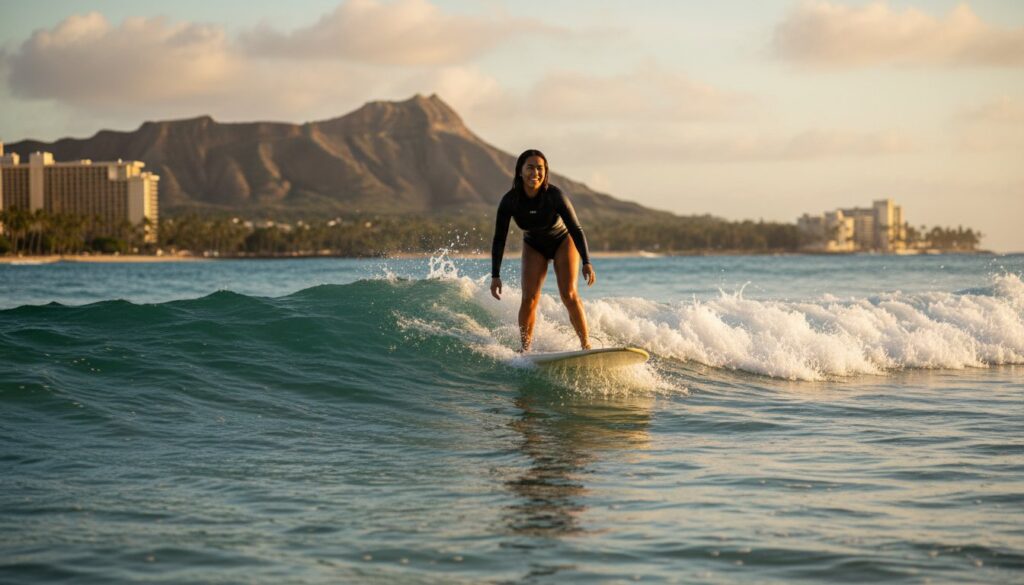
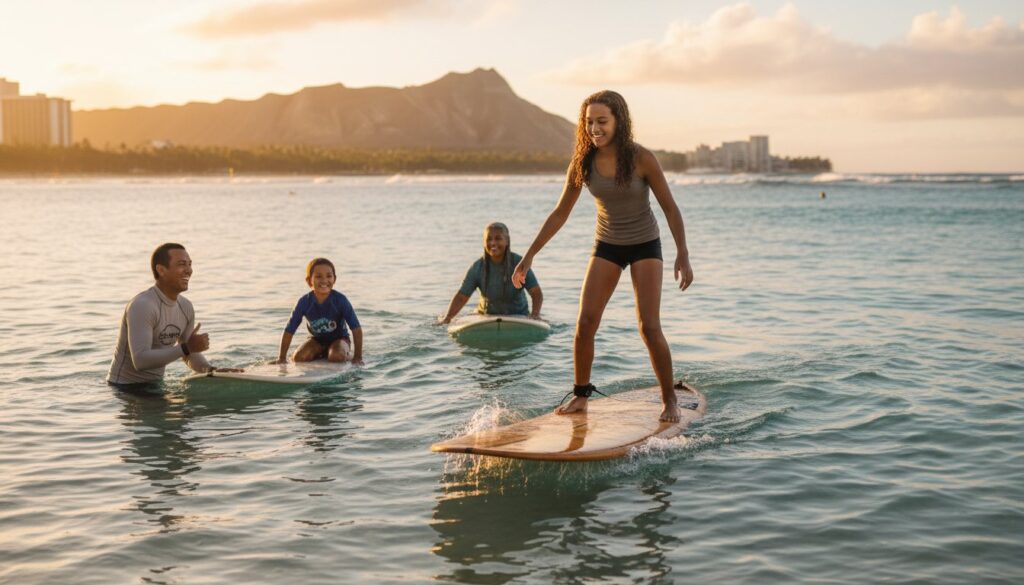
Getting a surfboard Waikiki is the first — and most exciting — step toward riding one of the world’s most iconic stretches of ocean. Whether you are a first-timer or a returning surfer, Waikiki Beach offers conditions that are nearly unmatched for learning and enjoying the sport of surfing.
Waikiki, located on the south shore of Honolulu, Hawaii, has been the birthplace of modern surfing for over a century. Its long, rolling waves, warm water, and sandy bottom make it an ideal playground for surfers of every skill level. In fact, according to Wikipedia’s entry on Waikiki, the area has been a celebrated surf destination since Hawaiian royalty rode its waves on traditional wooden boards.
In this guide, you will find everything you need to know — from choosing the right board and understanding rental options to booking lessons and catching your first wave with confidence.
What Is a Surfboard Waikiki Experience?
A surfboard Waikiki experience is the combination of renting or borrowing a board and riding the famous waves of Waikiki Beach, typically with or without professional instruction. It is one of the most popular ocean activities in Hawaii, drawing millions of visitors each year.
Specifically, the experience involves selecting a board suited to your skill level, paddling into the surf zone, and catching waves that peel gently toward the shore. Because Waikiki’s waves are long and forgiving, even total beginners can stand up and ride on their very first attempt — often within the first lesson.
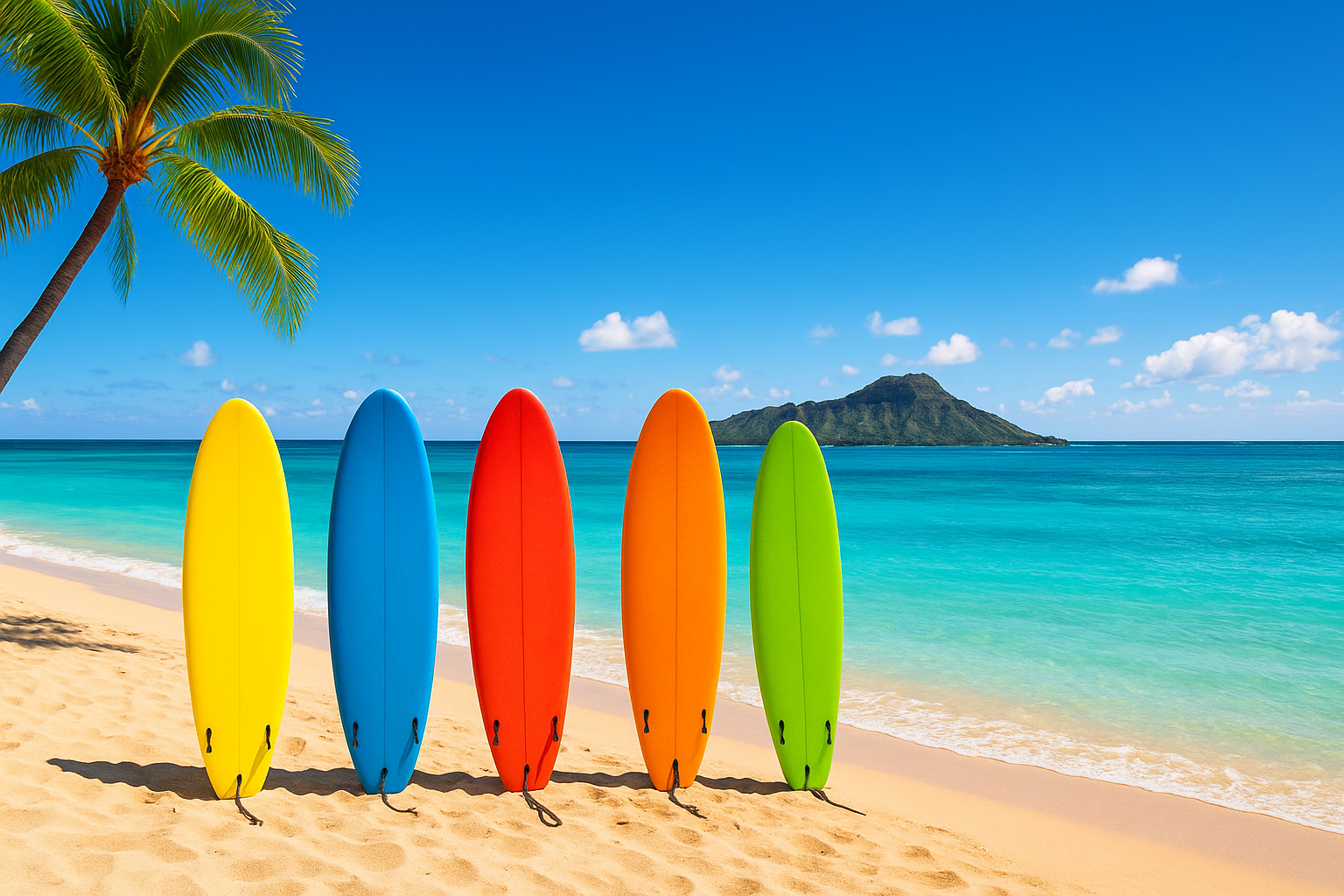
A row of rental surfboards at Waikiki Beach — the perfect starting point for your surfboard Waikiki adventure.
Choosing the Right Board for Waikiki Waves
Not all surfboards are created equal, and selecting the right one makes a significant difference in your experience. Therefore, understanding the main board types is essential before you head to the beach.
Foam Longboards: The Beginner’s Best Friend
Foam longboards — also called soft-tops — are the go-to choice for beginners. These boards are typically 9 to 10 feet long and feature a soft outer layer that reduces the risk of injury during wipeouts. Furthermore, their extra volume provides buoyancy that makes paddling and balancing much easier for newcomers.
According to surfboard design principles on Wikipedia, longer and wider boards generate more stability, which is exactly what a beginner needs to build confidence on the water.
Mid-Length and Funboards for Intermediate Riders
Intermediate surfers often prefer a funboard or mid-length board, typically between 7 and 8 feet. These boards offer a balance between stability and maneuverability. As a result, they allow surfers to practice turning, trimming, and reading waves more actively than a longboard permits.
Shortboards for Advanced Surfers
Advanced surfers who want to perform sharp turns and ride the steeper sections of Waikiki’s outer breaks may opt for a shortboard. However, shortboards require strong paddling ability and precise technique — they are not recommended for beginners or casual riders.
Where to Rent a Surfboard at Waikiki
Waikiki Beach is lined with rental options, making it easy to get on the water quickly. Prices typically range from $15 to $30 per hour for a standard foam board, with daily rates offering better value for those spending a full day at the beach.
For a comprehensive breakdown of pricing, board types, and the top rental spots, check out this detailed Waikiki surfboard hire guide that covers everything from budget options to premium boards. You can also explore the ultimate 2026 surfboard rental Waikiki guide for the most up-to-date recommendations.
In addition, many surf schools include board rental as part of their lesson packages, so you do not need to rent separately if you are booking instruction. This often works out to be both more convenient and more cost-effective.
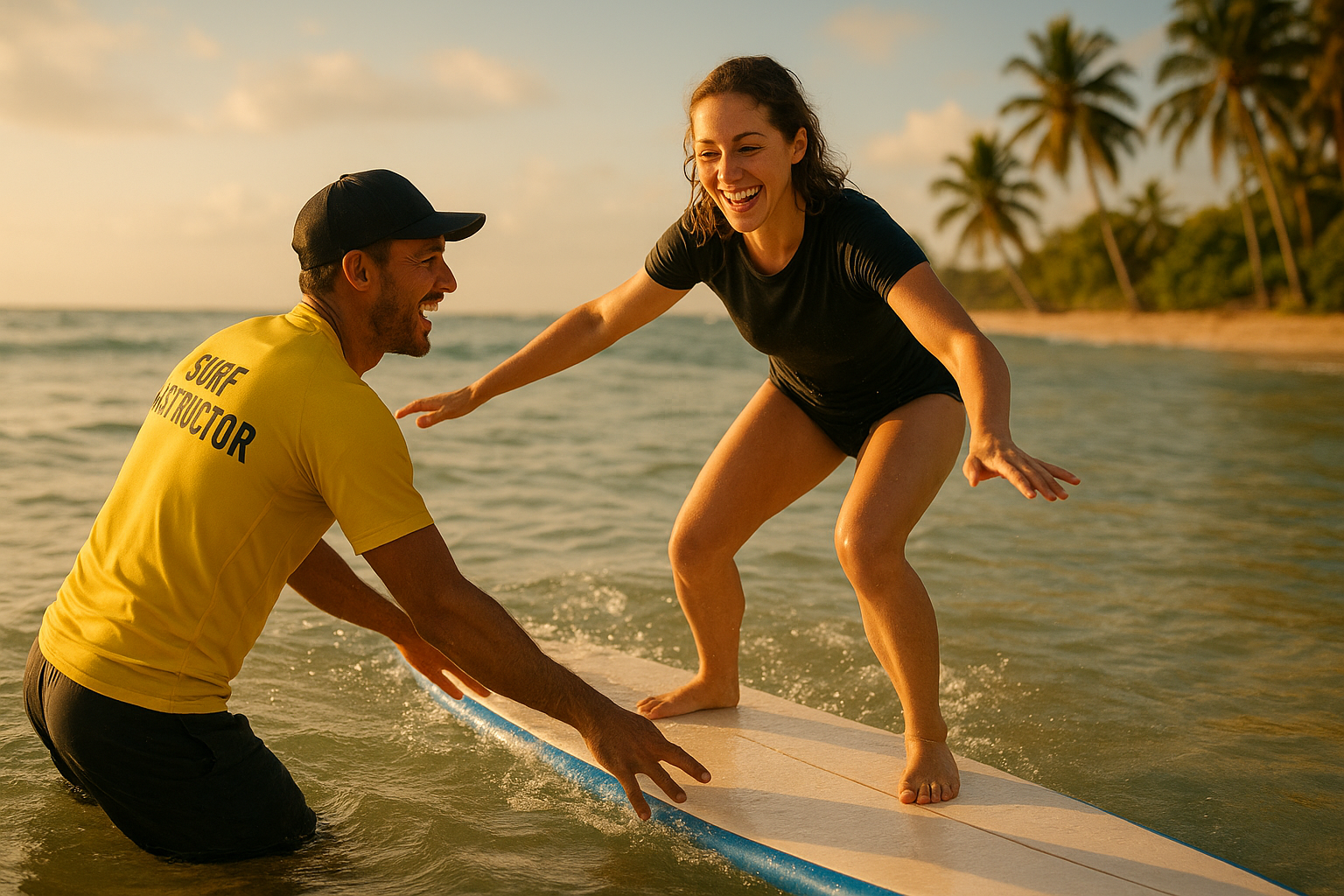
Expert surf instructors make the surfboard Waikiki experience safe and enjoyable for beginners of all ages.
How to Get Started Surfing at Waikiki: Step-by-Step
Getting into the water for the first time can feel overwhelming. Fortunately, following a clear process makes the whole experience much smoother and more enjoyable.
- Choose the right board. Select a foam longboard (9 to 10 feet) if you are a beginner. Visit a reputable rental shop or surf school on Waikiki Beach to get properly fitted for your height and weight.
- Book a surf lesson. Reserve a beginner lesson with a certified instructor who will teach you paddling technique, how to pop up on the board, and how to read the waves safely before you enter the water.
- Practice on the sand first. Before paddling out, practice the pop-up motion on dry sand with your instructor. This on-land drill builds muscle memory so your first water attempt is far more successful.
- Paddle out and catch your first wave. With your instructor by your side, paddle into the gentle whitewater, position yourself on the board, and follow your instructor’s cues to stand up and ride your first wave to shore.
- Review and refine your technique. After your session, debrief with your instructor to identify areas for improvement. Consider booking additional lessons or renting a board independently to keep building on what you have learned.
Why Waikiki Is the World’s Best Place to Learn Surfing
Waikiki consistently ranks among the top beginner surf destinations on the planet, and for good reason. The waves here are long, predictable, and slow-moving — a combination that gives beginners plenty of time to stand up and find their balance.
Moreover, the water temperature hovers around 77 to 80°F (25 to 27°C) year-round, eliminating the need for a wetsuit and making the experience comfortable for everyone. According to the National Oceanic and Atmospheric Administration (NOAA), Hawaii’s central Pacific location gives it remarkably stable ocean conditions compared to most other surfing destinations worldwide.
In addition, Waikiki’s surf zone is wide and uncrowded in the early morning hours, giving beginners space to practice without feeling rushed or intimidated by more advanced riders.
The Role of Professional Instruction
Professional surf instruction dramatically shortens the learning curve. Research in sports coaching consistently shows that guided practice with immediate feedback accelerates skill acquisition far more effectively than self-directed trial and error.
At starbeachboys.com, the team of highly trained surf instructors provides personalized coaching for all skill levels — from complete beginners to intermediate surfers refining their technique. Each lesson is structured to prioritize safety while delivering an exhilarating, memorable ocean experience. You can also browse their Waikiki surfboard rentals page for current availability and pricing.
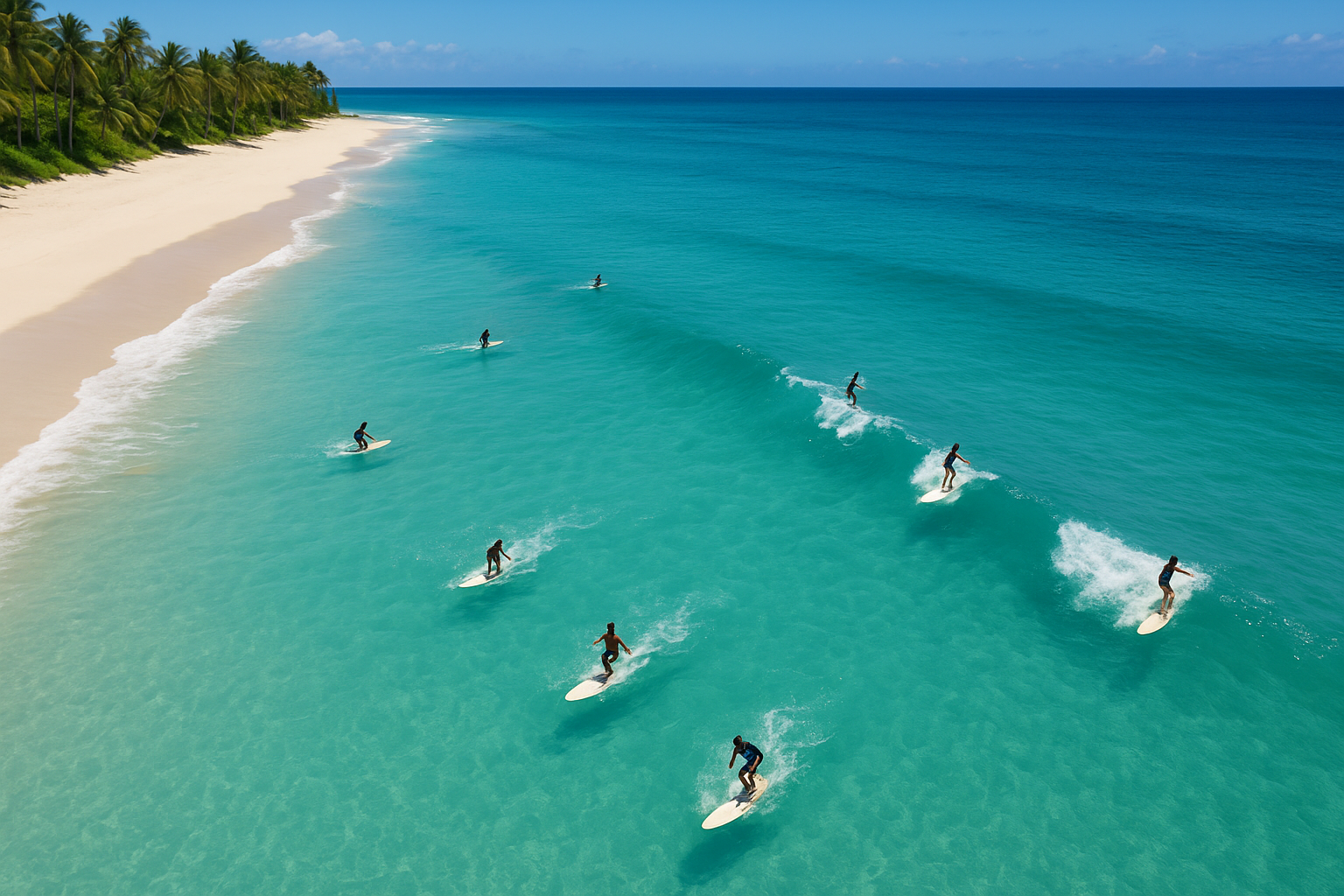
Waikiki’s gentle, rolling waves make it the ideal destination for first-time and experienced surfers alike.
Tips for Getting the Most from Your Waikiki Surfing Session
A few practical tips can make a big difference in how much you enjoy your time on the water. Therefore, keep the following in mind before and during your session.
- Go early. The best waves and smallest crowds are typically found between 7 and 9 AM. Early sessions also mean cooler temperatures and calmer winds.
- Apply sunscreen generously. Hawaii’s tropical sun is intense, even on overcast days. Use a reef-safe SPF 50 sunscreen to protect your skin and the ocean ecosystem.
- Stay hydrated. Ocean activity is physically demanding, and the warm climate accelerates dehydration. Bring a water bottle and drink before and after your session.
- Respect surf etiquette. Learn basic surfing rules — such as right of way and not dropping in on another surfer’s wave — before paddling out. This keeps everyone safe and the atmosphere positive.
- Wear a rash guard. A rash guard protects against sunburn and board rash. Most surf schools provide them as part of their lesson packages.
For even more tips and rental insights, the surfboard rental Waikiki resource hub and the surfboard rental tag archive are excellent starting points for deeper research.
Understanding Waikiki Surf Conditions by Season
Waikiki’s south-facing shore receives its best surf during the summer months, from May through September. During this period, southern hemisphere swells push consistent, rideable waves ideal for all levels. In contrast, winter months bring larger north swells that primarily affect the North Shore of Oahu rather than Waikiki itself.
Consequently, Waikiki remains a reliable and beginner-friendly surf spot throughout the year, with summer offering the most consistent conditions for learning. Even during the quieter winter months, Waikiki’s protected bay produces manageable waves that are perfectly suited to foam board surfing and beginner lessons.
Quick Stat: Waikiki Beach attracts an estimated 5 million visitors per year, many of whom try surfing for the first time. It is one of the most photographed and visited beaches in the United States, according to the Hawaii Tourism Authority.
Frequently Asked Questions About Surfboard Waikiki
Conclusion: Your Surfboard Waikiki Journey Starts Here
The surfboard Waikiki experience is truly unlike anything else in the world of water sports. From the warm, welcoming waves to the rich surfing heritage of the Hawaiian islands, everything about Waikiki is designed to make you fall in love with the ocean. Whether you are renting a foam longboard for the first time or returning to sharpen your technique, the combination of ideal conditions and expert instruction makes this destination the gold standard for surfers everywhere.
Furthermore, by booking with a trusted surf school like starbeachboys.com, you gain access to certified instructors, properly maintained equipment, and a structured learning environment that prioritizes both safety and fun. There is no better way to experience the spirit of aloha than by riding your first wave on the shores of Waikiki.
So grab your board, paddle out, and let Waikiki’s legendary waves do the rest. Your ocean adventure is waiting.