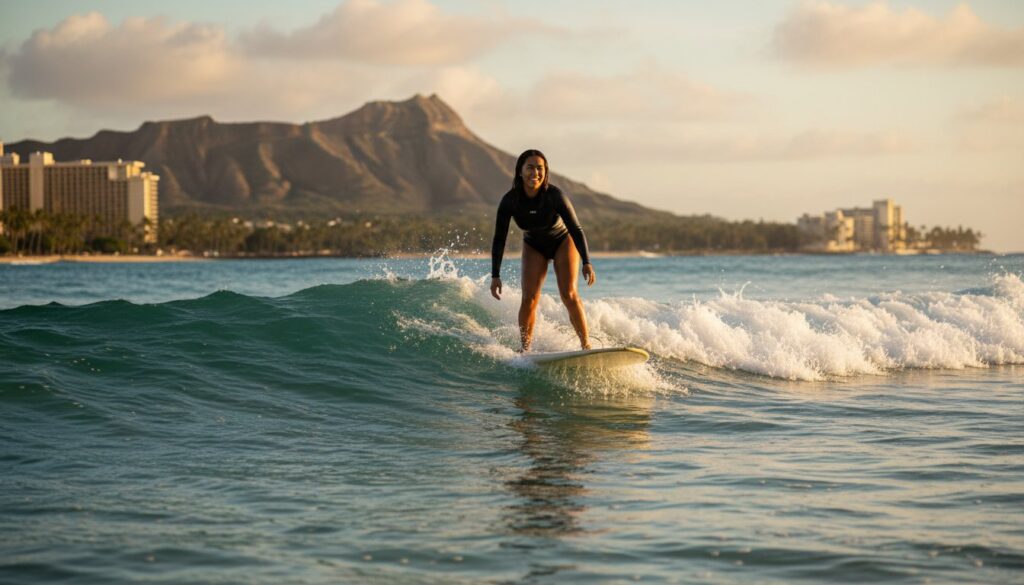
When you type surf rent near me into your phone, you want one thing: a board in your hands before the tide changes, not a scavenger hunt through ten browser tabs. A trustworthy surfboard rental near you can turn a so-so beach day into the moment you fall in love with the ocean — or it can leave you stuck with a waterlogged board and no idea what you’re doing. This guide covers everything the search intent behind that phrase actually demands, from pricing and board types to insurance, seasonal timing, and the exact questions you should ask before handing over your credit card.
According to the Surf Industry Manufacturers Association, surfing now draws more than 35 million participants worldwide, and a large share of them are first-timers who rent rather than buy. As a result, the rental market has split into several very different types of providers — beachside shacks, full-service surf shops, mobile delivery outfits, and surf schools that bundle instruction with equipment. Knowing which one fits your day matters just as much as knowing the price.
What Does “Surf Rent Near Me” Actually Mean?
Surf rent near me is the search phrase people use — tourists, locals, and even seasoned surfers traveling somewhere new — when they want to locate the closest place that hires out surfboards, usually for an hourly or daily fee. In practice, that search almost always includes an implied second question: “…and is it any good?” A quality result should include the board itself, a leash (the cord that tethers the board to your ankle so it doesn’t drift away after a wipeout), and often extras like rash guards or reef-safe sunscreen.
Most rental counters stock several board types to match different skill levels. Beginners typically start on a soft-top foam longboard, which is wider and more buoyant, meaning it floats and balances more easily. Intermediate and advanced surfers, in contrast, usually prefer shorter, harder fiberglass boards built for speed and sharp turns. Consequently, the single most important part of any rental transaction is telling the staff your honest skill level — not the level you wish you were.

Soft-top foam boards are the most popular pick when people search surf rent near me — stable, forgiving, and suited to nearly every skill level.
How to Find a Surfboard Rental Near You: Step-by-Step
Finding the right rental doesn’t have to be complicated. Follow this process and you will go from search bar to sand in under fifteen minutes.
- Search for local surf rentals. Open Google Maps or your search engine and type “surf rent near me” or “surfboard rental near [your beach].” Review the top three or four results for proximity, star rating, and total review count.
- Compare pricing and board options. Check each provider’s hourly and daily rates side by side. Confirm they stock beginner-friendly foam boards if this is your first time in the water.
- Check reviews and safety standards. Read recent Google or Yelp reviews. Look specifically for comments about board condition, staff helpfulness, and how clearly safety rules were explained.
- Book your rental or lesson package in advance. During peak season, boards sell out fast, especially foam longboards. Reserve online when possible to secure your spot and sometimes lock in an early-booking discount.
- Arrive prepared and enjoy your session. Bring a valid ID, a payment method for any deposit, and swimwear. Always listen to the full safety briefing before paddling out, even if you have surfed before.
What to Expect From a Quality Surfboard Hire
A reputable surfboard hire service does more than hand you a board and point at the water. It provides properly maintained equipment, a clear safety walkthrough, and staff who match you to the right board for your ability. Furthermore, many quality shops offer optional lesson add-ons, which dramatically shorten your learning curve compared to figuring it out alone.
In addition, good rental providers explain local surf conditions before you enter the water. Understanding rip currents (fast-moving channels of water that pull swimmers away from shore), wave sets, and designated swimming zones is essential for your safety. The National Weather Service reports that rip currents account for over 80% of lifeguard rescues, which makes a pre-surf safety briefing a non-negotiable part of any responsible rental experience. Look, too, for instructors certified through recognized bodies such as the International Surfing Association, since certification signals a baseline of safety training beyond just handing out boards.
Rental Pricing: What You Should Expect to Pay
Pricing for surfboard rentals varies by location, season, and board type. However, as a general benchmark, most coastal destinations charge between $15 and $40 per hour or $30 to $80 for a full day. Tropical hotspots like Hawaii can run slightly higher because of demand and operating costs, though bundled lesson-and-rental packages often work out cheaper per hour than renting solo.
For a full breakdown of pricing in one of the world’s most famous surf destinations, see this complete guide to Waikiki surfboard rental prices and tips, which covers hourly rates and what’s included in each package. For a deeper walkthrough, see our Surf Waikiki Hawaii: The Ultimate Guide to the Birthplace of Surfing (2026). If you’d rather compare several Waikiki-area providers before booking, this roundup of the best Waikiki surfboard rental options for 2026 is a useful next stop.
Soft-Top vs. Hard-Top: Choosing the Right Board
Choosing the right board type is one of the most important decisions you’ll make when you rent. Soft-top foam boards are wider, thicker, and far more buoyant than hard-top fiberglass boards. As a result, they’re much easier to balance on and far less likely to injure you or anyone nearby if you fall.
Hard-top boards, in contrast, are built for surfers who have already mastered the basics. They perform better in larger, faster waves but demand a solid grasp of technique. Therefore, if this is your first session, always ask specifically for a foam longboard — there’s no shame in it, and it’s genuinely the smarter, safer choice.

A knowledgeable instructor helps you choose the right board the moment you arrive for your surfboard rental session.
Surf Shop, Beach Vendor, or Mobile Delivery: Which Rental Fits Your Day?
Not every option that shows up under “surfboard rental near me” works the same way. Understanding the three common formats will help you pick the one that actually matches your plans for the day.
Beachfront Rental Shacks
These are the walk-up stands right on the sand. They’re convenient because you don’t have to carry a board far, and staff are usually surfers themselves who know the local break intimately. However, selection can be limited during peak hours, so arriving early is wise.
Full-Service Surf Shops
Surf shops sit a block or two from the beach and typically carry the widest range of boards, wetsuits, and accessories. In particular, they’re a strong option if you want to compare multiple board shapes before committing, or if you need gear for cooler water.
Mobile and Delivery Surf Rentals
A growing number of providers now deliver boards directly to your hotel, condo, or a specific stretch of beach. This format suits travelers without a car or anyone juggling a tight schedule. Similarly, it’s a smart option for families who don’t want to haul multiple boards through a lobby. Above all, confirm delivery windows in advance, since same-day delivery slots fill quickly during holidays and summer weekends.
Rental Policies You Should Always Ask About
Most guides to surf rent near me stop at price and board type. However, the fine print is where surprises happen, so ask these questions before you sign anything.
- Security deposits: Many shops hold a credit card deposit, typically $50 to $200, refunded if the board comes back undamaged.
- Damage waivers: Some providers offer an optional waiver, similar to a rental car’s, that covers minor dings for a small daily fee.
- Cancellation windows: Confirm whether you can reschedule for free if the surf report looks bad on your booked day.
- Liability waivers: Expect to sign a standard release of liability; read it, since it usually outlines who is responsible if you’re injured.
Should You Combine Your Board Rental With a Surf Lesson?
Combining a board rental with a surf lesson is one of the smartest moves a first-time surfer can make. Specifically, a lesson teaches ocean safety, proper paddling technique, and how to pop up on the board — skills that would otherwise take hours of frustrating trial and error to learn alone.
Many surf schools bundle lessons and equipment into a single package, which makes the whole process seamless. If you’re wondering whether you can rent a surfboard and take lessons at the same place, the answer is almost always yes, and it’s typically the more affordable route overall.
According to Wikipedia’s overview of surfing, the sport traces back thousands of years to Polynesian culture. Today, professional instruction lets modern learners connect with that tradition safely, rather than picking up bad habits that are harder to unlearn later.
Best Time of Day and Season to Rent
Timing changes both your experience and your price when searching for a surfboard rental near you. Early mornings, generally before 10 a.m., tend to have calmer wind conditions and thinner crowds, which means more wave time per dollar spent. In contrast, midday sessions at popular beaches often mean waiting in line for a board.
Seasonally, summer and major holiday weeks bring the highest demand and, at many shops, slightly higher rates. Therefore, booking a week or more ahead during peak season is worth the small effort, particularly if you need a specific board size for a child or a tall adult.
Surfboard Rentals in Waikiki: A World-Class Option
If you’re visiting Hawaii, Waikiki Beach stands out as one of the best places on earth to rent a surfboard. The waves there are gentle, consistent, and ideal for beginners, which is exactly why Waikiki has stayed a top surfing destination for more than a century. Furthermore, the beach is staffed with experienced instructors who make the learning process both safe and genuinely fun.
starbeachboys.com offers expert-led surf lessons and rentals right on Waikiki Beach, serving beginners, families, tourists, and locals alike. Their certified surf instructors provide personalized coaching in a structured, safety-first environment, making it an ideal pick for anyone searching for a rental experience that goes beyond simply handing over a board. You can browse recent posts tagged under surf rental or the dedicated Waikiki surfboard rental tag for the latest availability updates and seasonal tips.
For more on this iconic location, explore the full guide on how to rent a surfboard in Waikiki and surf the legendary waves of Honolulu. You can also browse the dedicated Waikiki surfboard rentals page for current packages.
Tips for Getting the Most From Your Rental Session
To squeeze the most value out of your time in the water, keep these tips in mind:
- Book early in the morning — waves are typically calmer and crowds smaller before 10 a.m.
- Apply waterproof sunscreen at least 20 minutes before entering the water.
- Stay in designated beginner zones, which are monitored by lifeguards and kept clear of advanced surfers.
- Ask for a wax check — rental boards need fresh wax for grip, so don’t hesitate to request a reapplication.
- Stay hydrated, since surfing is more physically demanding than it looks; bring water and take breaks as needed.
- Photograph your board before you paddle out, which protects you from disputes over pre-existing dings at return time.
Multi-Day and Weekly Rental Discounts
If you’re staying near the beach for several days, ask about multi-day pricing before booking hour by hour. Many shops discount three-day and weekly rentals by 20% to 40% compared to the daily rate, which makes a longer stay considerably more affordable. In addition, some providers let you swap board sizes mid-week at no extra charge as your confidence grows — a detail worth confirming up front.
Frequently Asked Questions About Surf Rent Near Me
What does “surf rent near me” mean and what does it include?
Surf rent near me refers to finding a local surfboard rental service at or near a beach. Most rentals include the board, a leash, and sometimes a rash guard or wetsuit depending on the location.
How much does it cost to rent a surfboard?
Surfboard rental prices typically range from $15 to $40 per hour, or $30 to $80 for a full day. Prices vary by location, board type, and whether instruction is included.
Can beginners rent a surfboard without taking a lesson?
Yes, most rental shops allow beginners to rent a board without a lesson. However, pairing a rental with a beginner surf lesson is strongly recommended for safety and faster progress.
What type of surfboard is best for beginners to rent?
Beginners should rent a soft-top longboard or foam board, typically 8 to 10 feet long. These boards offer more stability and are much safer than hard fiberglass boards.
How do I find a reliable surf rental near me?
Search online using terms like “surfboard rental near me” or check local beach directories. Look for shops with positive reviews, certified instructors, and well-maintained equipment.
Is it better to rent a surfboard or buy one as a beginner?
Renting is almost always better for beginners. It lets you try different board types without a large upfront investment, and rental shops provide appropriate boards matched to your skill level.
Can I rent a surfboard and take a lesson at the same place?
Yes, many surf schools offer combined rental and lesson packages. This is the most convenient and cost-effective option for beginners and travelers.
What should I bring when I go to rent a surfboard?
Bring a valid photo ID, a credit card or cash for the deposit, and appropriate swimwear. Sunscreen and a towel are also recommended for your session.
Are surfboard rentals available for children?
Yes, most surf rental shops carry smaller boards suitable for children. Many also offer family lesson packages that include appropriately sized equipment for young surfers.
How long should I rent a surfboard as a first-timer?
A 1 to 2 hour rental is ideal for first-timers. This gives you enough time to practice without overexerting yourself, especially if you are also taking a beginner lesson.
What is the difference between a soft-top and a hard-top surfboard rental?
Soft-top boards have a foam deck that is safer and more buoyant, making them ideal for beginners. Hard-top boards are fiberglass, faster, and better suited for intermediate to advanced surfers.
Do surf rental shops provide wetsuits?
Many surf rental shops offer wetsuit rentals, especially in cooler water locations. In warm tropical destinations like Waikiki, wetsuits are generally not required.
Do surf rental shops require a security deposit or damage waiver?
Many shops hold a refundable card deposit, often $50 to $200, and some offer an optional damage waiver for a small daily fee to cover minor dings.
Can I get a group discount when renting multiple surfboards?
Yes, most shops offer reduced per-board rates for groups of three or more, and family lesson-plus-rental bundles are often the best overall value.
What is the difference between renting hourly versus a half-day or full-day surfboard rental?
Hourly rentals suit quick sessions, while half-day and full-day rentals lower the effective hourly cost and let you chase changing wave conditions throughout the day.
Conclusion: Your Next Wave Starts With the Right Rental
Searching for surf rent near me is the first step toward one of the most rewarding ocean experiences available. Whether you’re a first-time beginner or a returning surfer exploring a new destination, choosing a quality local rental sets the foundation for a safe, enjoyable, and memorable session. Above all, prioritize providers who offer well-maintained boards, clear safety guidance, transparent deposit policies, and the option to bundle instruction with your rental. For anyone visiting Hawaii, surfboard rental options in Waikiki offer world-class conditions and professional support to help every surfer, at any level, make the most of their time in the water.