Surf clinics in Waikiki give visitors and locals a structured, coach-led way to learn wave riding instead of relying on a single one-off lesson. Because these clinics typically span multiple sessions, students can build core skills step by step in Waikiki’s famously gentle surf. Whether you are stepping into the ocean for the first time or working to refine your pop-up (the quick motion of standing up on a moving board), a well-run clinic blends professional coaching with the relaxed spirit of Hawaiian beach culture. For families, tourists, and residents alike, Waikiki remains one of the most accessible places on the planet to start surfing safely.
What Are Surf Clinics in Waikiki?
Unlike a drop-in lesson booked for an hour, a clinic is designed as a progression. Instructors track improvement across sessions, adjusting drills as students advance. As a result, clinics tend to suit people who want measurable skill growth rather than a single memorable ride. In addition, many clinics include verbal or video feedback after each wave, which helps surfers correct small errors — like standing up too early — before those errors become habits.
Why Waikiki Offers the Perfect Setting for Surf Coaching
Waikiki’s surf breaks are known for long, slow-rolling waves and a sandy bottom, conditions that are far more forgiving than the reef breaks found elsewhere on Oahu. Consequently, instructors can position students in safer, more predictable spots while still delivering an authentic ocean experience. Furthermore, warm water year-round means clinics run consistently, without the seasonal cold that limits surf coaching in many other regions.
According to the International Surfing Association (ISA), more than 35 million people surf worldwide, and Hawaii — Waikiki in particular — remains one of the sport’s most recognized entry points for new surfers. That reputation is not accidental: the combination of gentle swell, wide sandy beaches, and a long-standing culture of beach instruction makes Waikiki naturally suited to teaching. Because of this, many surf clinics in Waikiki are led by instructors with deep local ocean knowledge, including how tides and wind shift conditions throughout the day.
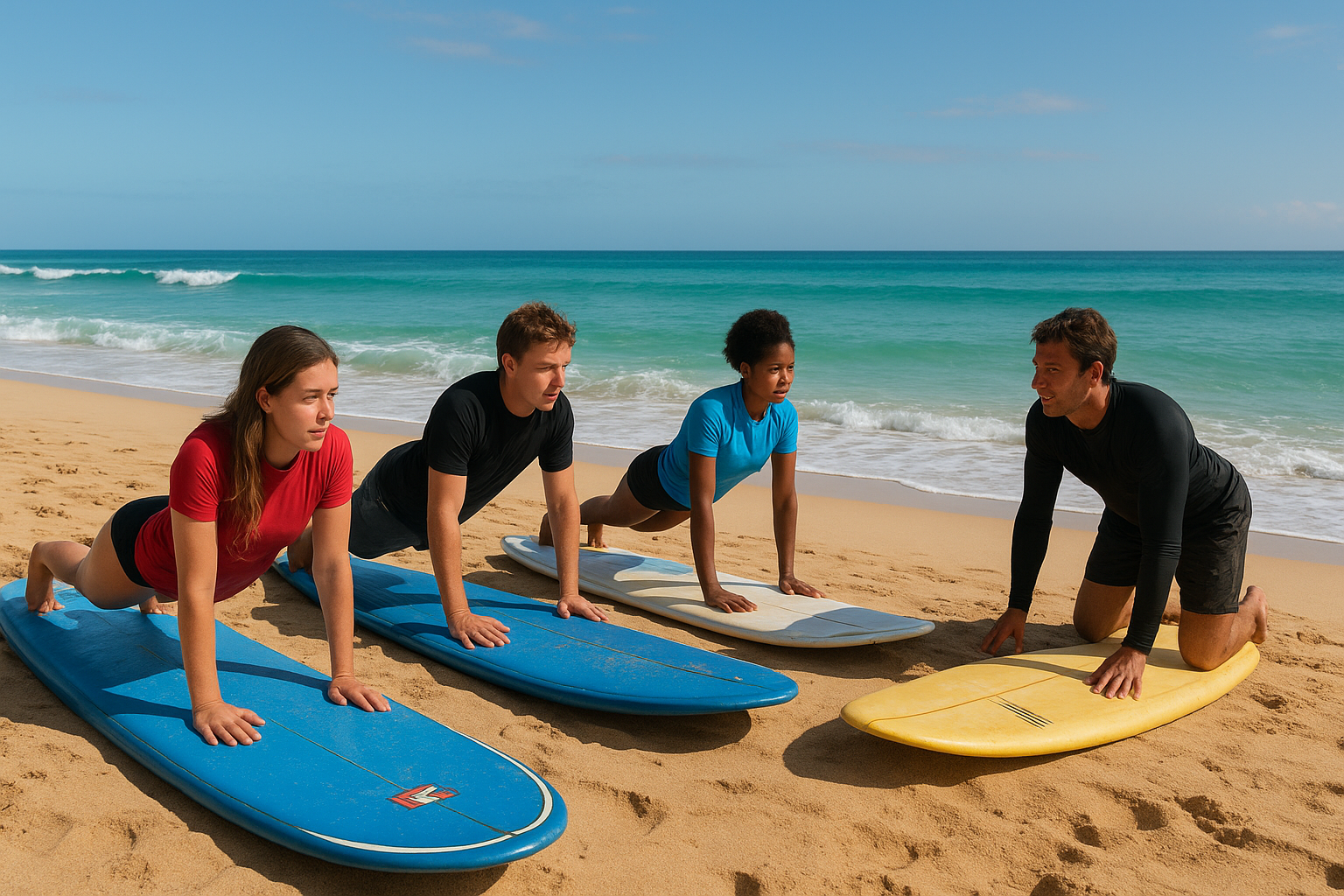
Hands-on coaching is central to every surf clinic in Waikiki, starting with technique drills on the sand.
How Waikiki Surf Coaching Clinics Work
Most surf clinics in Waikiki, including programs offered through Star Beach Boys, follow a similar sequence designed to build confidence gradually. Understanding this flow helps first-time participants know what to expect before they even reach the sand.
- Check-in and skill assessment — Instructors ask about swimming ability and prior surf experience so they can group students appropriately and choose the right board size for each person’s height and weight.
- Beach safety briefing — Before entering the water, coaches explain rip currents, wave etiquette, and hand signals, drawing on real-time ocean conditions observed that specific day.
- Land-based pop-up practice — Students rehearse paddling position and the pop-up motion on the sand, repeating the movement until it feels natural before ever attempting to catch a wave.
- Guided wave catching — Instructors physically position and push students into small, appropriate waves, offering real-time corrections on timing and balance.
- Feedback and review — After each set of waves, coaches review what worked and what to adjust, comparing early attempts to later ones to show visible progress.
- Progressive skill building — Later sessions introduce turning, reading wave shape, and paddling efficiency, building on the foundation from earlier days.
Types of Surf Lessons and Clinics Available in Waikiki
Not every surfer needs the same clinic. Because skill levels vary widely, most Waikiki programs are split into a few common categories.
Beginner Surf Clinics
Beginner clinics focus almost entirely on safety, paddling, and standing up consistently. Typically, groups stay in shallow, slow-breaking water, and sessions emphasize repetition over speed. For many first-timers, simply catching a wave and coasting toward the beach becomes the highlight of the whole trip.
Intermediate and Advanced Coaching
Once a surfer can consistently stand and ride straight, clinics shift toward turning, positioning on the wave face, and reading swell direction. Instructors often use feedback sessions here, since small technical errors become harder to notice without an outside perspective. If you’re comparing local breaks to practice between sessions, this guide to the best surf breaks around Waikiki is a useful reference.
Family and Kids’ Surf Clinics
Family-oriented clinics adjust pacing for younger participants and mixed-age groups, often running shorter sessions with more breaks. Parents frequently ask whether young children can safely participate; this complete guide to kids’ surf lessons in Waikiki breaks down age recommendations and gear in more detail. Similarly, families researching group options can review these family surf lessons on Oahu for scheduling ideas.

Students build confidence riding Waikiki’s gentle rolling waves during progressive clinic sessions.
What to Expect During a Waikiki Surf Clinic Session
A typical session lasts between 90 minutes and two hours, though multi-day clinics may run longer as skills build. Sessions usually begin on the sand, move into the water, and end with a short debrief.
Above all, instructors prioritize water safety. Because Waikiki’s beach break can still produce rip currents or sudden crowding near popular breaks, coaches monitor students closely and adjust plans in real time. The National Oceanic and Atmospheric Administration (NOAA) notes that rip currents are a leading cause of beach rescues nationwide, which is one reason experienced local guidance matters so much in a beginner-friendly setting like Waikiki.
In addition to safety, most clinics supply equipment — soft-top boards, rash guards, and sometimes reef-safe sunscreen — so participants do not need to arrive with their own gear. As a result, joining a clinic is often simpler logistically than trying to teach yourself with rented equipment.
How to Choose the Best Surf Clinic in Waikiki
With several operators along the beach, choosing the right clinic can feel overwhelming at first. However, a few factors consistently matter more than the rest.
- Instructor-to-student ratio — smaller groups generally mean more individual feedback per wave.
- Session structure — clinics with a clear progression, rather than repeating the same lesson daily, tend to produce faster improvement.
- Local knowledge — instructors who understand daily tide and wind patterns can place students in the safest, most makeable waves.
- Included equipment — confirm whether boards, leashes, and rash guards are provided.
For example, you can review current session formats and instructor backgrounds directly through Star Beach Boys’ surf programs before booking.
Safety, Skill Levels, and Ocean Conditions
Safety remains the foundation of any responsible surf clinic. Therefore, most reputable programs in Waikiki require basic swimming ability before allowing participants into deeper water. Coaches also watch tide charts and swell forecasts, since wave size and current strength can shift meaningfully within a single day.
Similarly, sun exposure is a real consideration in Hawaii’s climate. Clinics generally recommend reef-safe sunscreen, hats, and rash guards to reduce both sunburn risk and skin irritation from repeated board contact. Understanding basic ocean terms — such as “sets” (groups of waves arriving together) or “lineup” (the area where surfers wait to catch a wave) — also helps beginners follow instructions more quickly once they’re in the water.
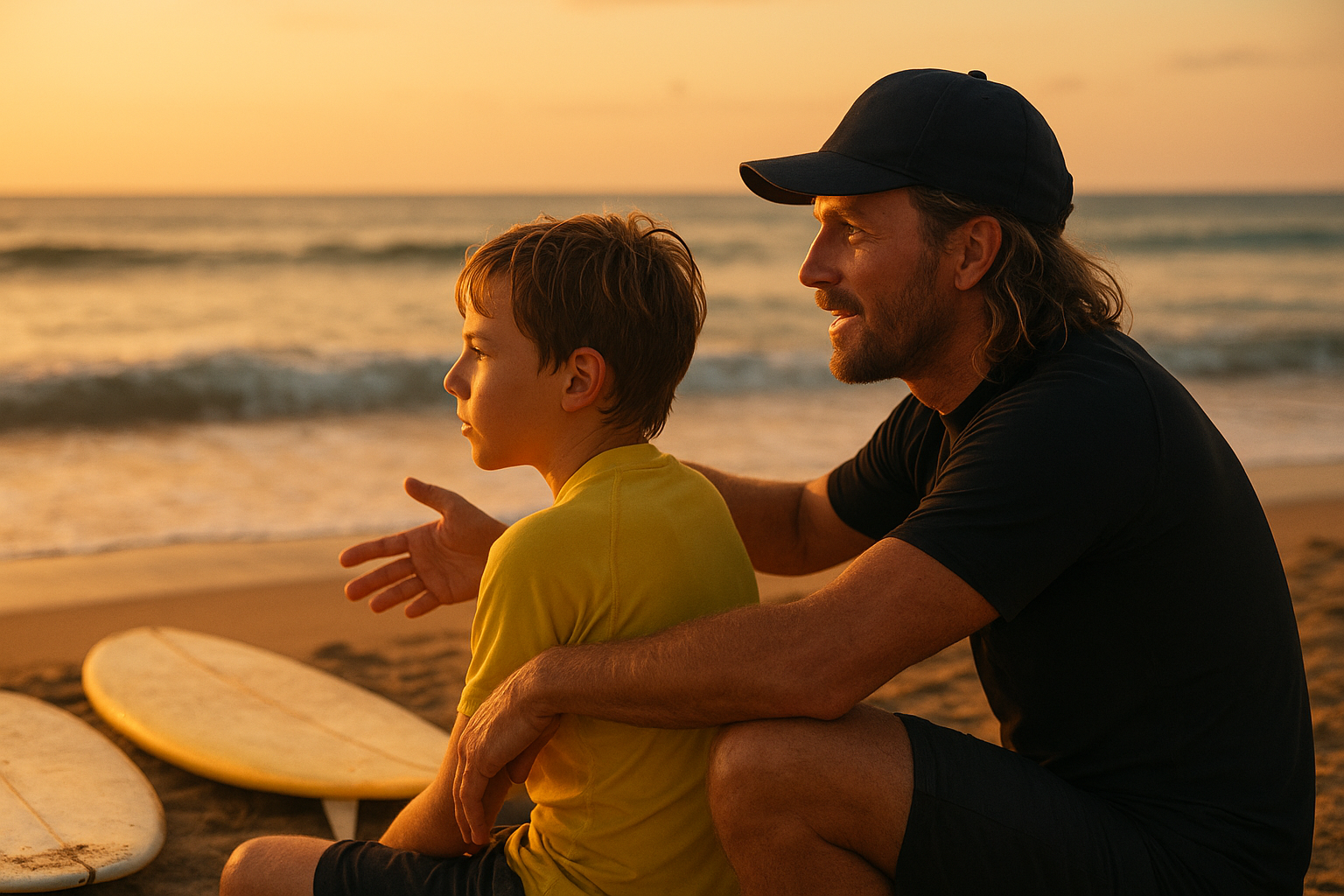
Personalized feedback after each wave helps surfers refine their technique quickly.
Frequently Asked Questions About Surf Clinics in Waikiki
What is a surf clinic in Waikiki?
A surf clinic in Waikiki is a multi-session coaching program that groups surfers by ability and builds skills progressively, unlike a single one-hour lesson. Most clinics combine land-based drills with guided wave-riding practice over several days.
How long do surf clinics in Waikiki typically last?
Most clinics run between one weekend and a full week, with individual sessions lasting 90 minutes to two hours. Longer clinics usually add more advanced techniques like turning and wave reading in later sessions.
How much do surf clinics in Waikiki cost?
Pricing varies by group size, session length, and number of days, so costs range from budget-friendly single sessions to higher multi-day packages. It is best to confirm exact pricing directly with the operator, since rates change seasonally.
Are surf clinics in Waikiki suitable for complete beginners?
Yes, most Waikiki clinics are specifically designed for first-timers, thanks to the area’s gentle, slow-breaking waves. Instructors typically start with land-based practice before ever heading into the water.
What is the difference between a surf clinic and a private surf lesson?
A private lesson is usually a single session focused on one person, while a clinic spans multiple sessions and often includes small groups. Clinics tend to produce steadier long-term progress because instructors track improvement across days.
Do I need my own surfboard for a Waikiki surf clinic?
No, most clinics provide soft-top boards sized appropriately for each participant’s height, weight, and skill level. This removes the guesswork of choosing or renting the right equipment on your own.
Are surf clinics in Waikiki safe for kids?
Yes, many programs offer family-friendly formats with shorter sessions and closer supervision for younger participants. This guide to surf lessons for kids in Waikiki covers age recommendations, gear, and safety expectations in more detail.
What should I bring to a surf clinic in Waikiki?
Swimwear, a rash guard, reef-safe sunscreen, and a towel are usually enough, since boards and leashes are typically provided. Water and a hat are also helpful for the time spent on the sand.
How many people are usually in a surf clinic group?
Group sizes vary, but smaller ratios, often four to six students per instructor, tend to allow more individual feedback per wave. Larger clinics may split students into subgroups by skill level to keep coaching personal.
What common mistakes do beginners make during surf clinics?
Standing up too early, looking down at the board instead of ahead, and paddling too slowly into a wave are among the most frequent early mistakes. Instructors usually correct these through repeated, guided practice rather than a single explanation.
Final Thoughts on Surf Clinics in Waikiki
Ultimately, surf clinics in Waikiki offer a structured, safety-focused path into one of the world’s most beloved water sports. Because sessions build progressively, participants tend to improve faster than they might through scattered, one-off lessons. Whether you’re a parent booking a first family outing, a tourist chasing a bucket-list moment, or a local refining technique, choosing a clinic with clear structure, small groups, and experienced local instructors makes a measurable difference. In short, Waikiki’s combination of gentle surf, warm water, and generations of local coaching knowledge is exactly why surf clinics in Waikiki remain such a trusted starting point for new and returning surfers alike.