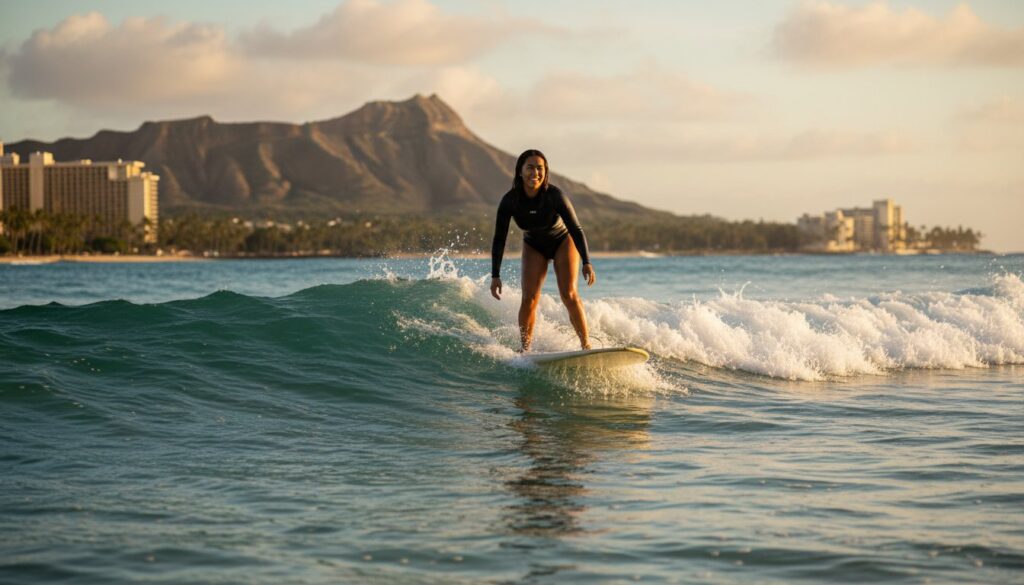
Certified surf instructors Honolulu families and travelers book are the difference between a stressful ocean introduction and a genuinely safe, confidence-building first ride. If you have ever wondered why one surf outfit charges more than a folding table on the sand renting boards, the answer usually comes down to training. In addition, certification tells you that an instructor has proven skills in ocean safety, rescue response, and structured coaching rather than years of casual wave-riding alone. This guide breaks down exactly what certification involves, why it matters more in Honolulu’s shifting surf than almost anywhere else on Oahu, and how you can verify credentials before you hand over your money.
Quick Answer: Certified surf instructors Honolulu schools employ have completed formal training in ocean safety, rescue procedure, and progressive surf coaching, typically through the International Surfing Association (ISA) or an equivalent lifeguard-affiliated body. Booking a certified instructor lowers injury risk, speeds up skill progression, and matches your lesson to Honolulu’s often-unpredictable shorebreak instead of a generic script.
What Does It Mean to Hire Certified Surf Instructors in Honolulu?
Certified surf instructors in Honolulu are coaches who have completed recognized training programs covering water safety, first aid, and surf-specific teaching methods. Specifically, that training most often comes from the International Surfing Association, the global governing body recognized by the Olympic surfing movement for setting worldwide coaching standards.
Unlike an informal beach vendor who simply rents you a board and points at the horizon, a certified instructor has demonstrated real competency in reading swells, positioning students safely, and responding the moment something goes wrong. As a result, families and first-timers can trust that a certified coach prioritizes safety over simply pushing someone into the nearest whitewash for a quick photo.
Notably, this distinction matters even more in Honolulu specifically. Unlike the famously powerful, reef-heavy North Shore breaks that dominate winter surf media coverage, Honolulu’s town-side beaches — Waikiki, Ala Moana Bowls, and Kaka’ako — see year-round beginner traffic. That means Honolulu-based instructors need certification tailored to soft, sandy-bottom teaching environments rather than big-wave rescue scenarios alone.
Certified Surf Instructors Honolulu: Credentials That Actually Matter
Certified surf instructors Honolulu schools feature typically hold credentials from a recognized surf coaching organization, along with CPR and ocean rescue training. Furthermore, many carry years of local experience navigating Oahu’s specific breaks, currents, and seasonal conditions, which differ significantly between Waikiki’s gentle rollers and the more powerful swells found elsewhere on the island.
The Core Credential Stack
- ISA Surf Coach Certification — covers wave-reading, biomechanics of paddling and pop-ups, and structured beginner progression frameworks.
- CPR and First Aid — usually through the American Red Cross, ensuring instructors can respond to medical emergencies within seconds, not minutes.
- Ocean or surf rescue training — teaches instructors to identify rip currents, shifting sandbars, and fatigue signs before they become emergencies.
- Local break knowledge — not a formal certificate, but arguably just as important, since Honolulu’s sandbars shift seasonally and inexperienced guides can misjudge them.
This local knowledge, combined with formal certification, means instructors can match lesson difficulty to actual conditions on any given day. Consequently, students receive a lesson tailored to their skill level rather than a generic, one-size-fits-all session repeated regardless of the swell.
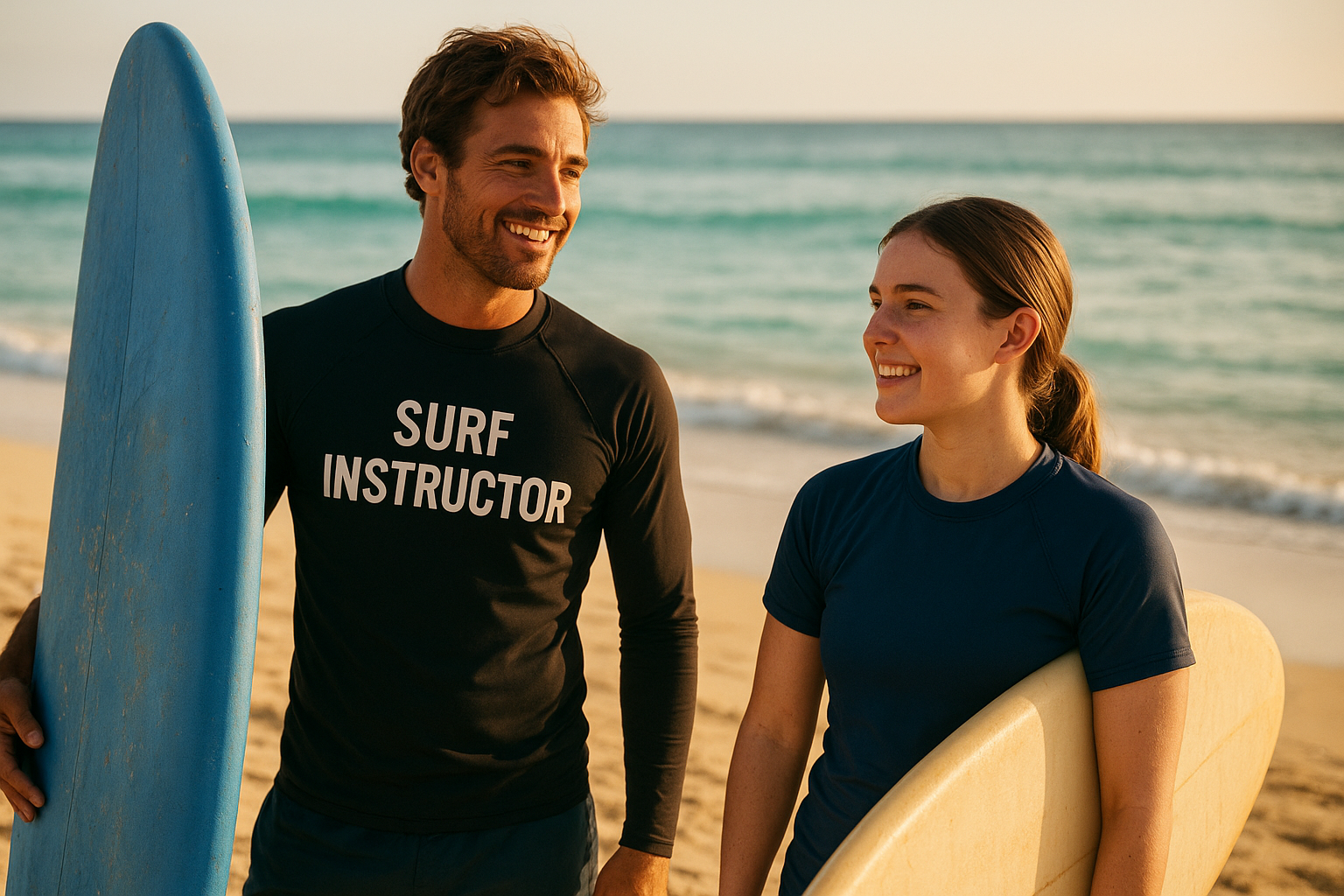
Certified surf instructors Honolulu visitors rely on guide every step of a beginner’s first lesson.
Certified vs. Uncertified: Why the Difference Changes Your Safety
Not every person handing out surfboards on Waikiki Beach is a trained instructor, and understanding the gap matters before you book. The comparison below highlights what typically separates the two.
Certified Instructor
- Documented ISA or equivalent coaching credential
- Current CPR and rescue training
- Structured, skill-based lesson progression
- Typically insured and accountable to a business
Uncertified Guide
- No verifiable safety or coaching credential
- Unclear rescue or first aid readiness
- Generic instruction regardless of ability
- Little to no accountability if something goes wrong
The Real Drowning and Injury Risks Certification Helps Prevent
Certification matters because ocean conditions can change quickly, and an untrained guide may not recognize warning signs like rip currents or shifting sandbars. According to the Centers for Disease Control and Prevention, unintentional drowning remains a leading cause of injury-related death in the United States, which underscores why trained supervision in the water matters so much.
Similarly, the National Oceanic and Atmospheric Administration notes that rip currents cause the majority of ocean rescues along U.S. coastlines every year. Honolulu’s beaches are not immune to this, particularly during south swell season when currents pull unexpectedly near river mouths and channel breaks.
In contrast, a certified instructor is trained to scan conditions continuously, position students defensively, and intervene immediately if something goes wrong. Above all, this training gives parents and first-time surfers real peace of mind before ever paddling out. For families weighing this decision, this parent’s guide to surf safety for kids in Oahu offers additional context on what to look for before booking, and this resource on where beginners can find the safest surf lessons in Hawaii goes deeper into safety-first booking criteria.
How to Verify a Surf Instructor’s Certification Before You Book
Finding a genuinely qualified instructor takes a little research, but the process is straightforward. The steps below outline exactly how to vet a Honolulu surf school before booking your lesson.
- Verify certification credentials. Check that instructors hold recognized credentials, such as International Surfing Association coaching certification, before committing to a lesson booking of any kind.
- Read verified reviews. Look through independent reviews that mention specific instructor names, safety practices, and how well instructors handled students at different skill levels during real lessons.
- Ask about safety training. Confirm the instructor maintains current CPR, first aid, and ocean rescue training appropriate for Hawaii’s variable surf and current conditions year-round.
- Confirm student-to-instructor ratio. Request details about group size, since smaller ratios generally allow more personalized attention and quicker skill development for new surfers of every age.
- Book directly through a reputable surf school. Reserve lessons directly through an established Honolulu surf school rather than informal beach vendors to ensure accountability and consistent instruction quality throughout.
For a deeper breakdown of vetting criteria, this complete guide to choosing a surf school in Hawaii covers additional factors worth considering, and if you plan to lesson-shop in Waikiki specifically, this profile of the top surf instructors in Waikiki names names.
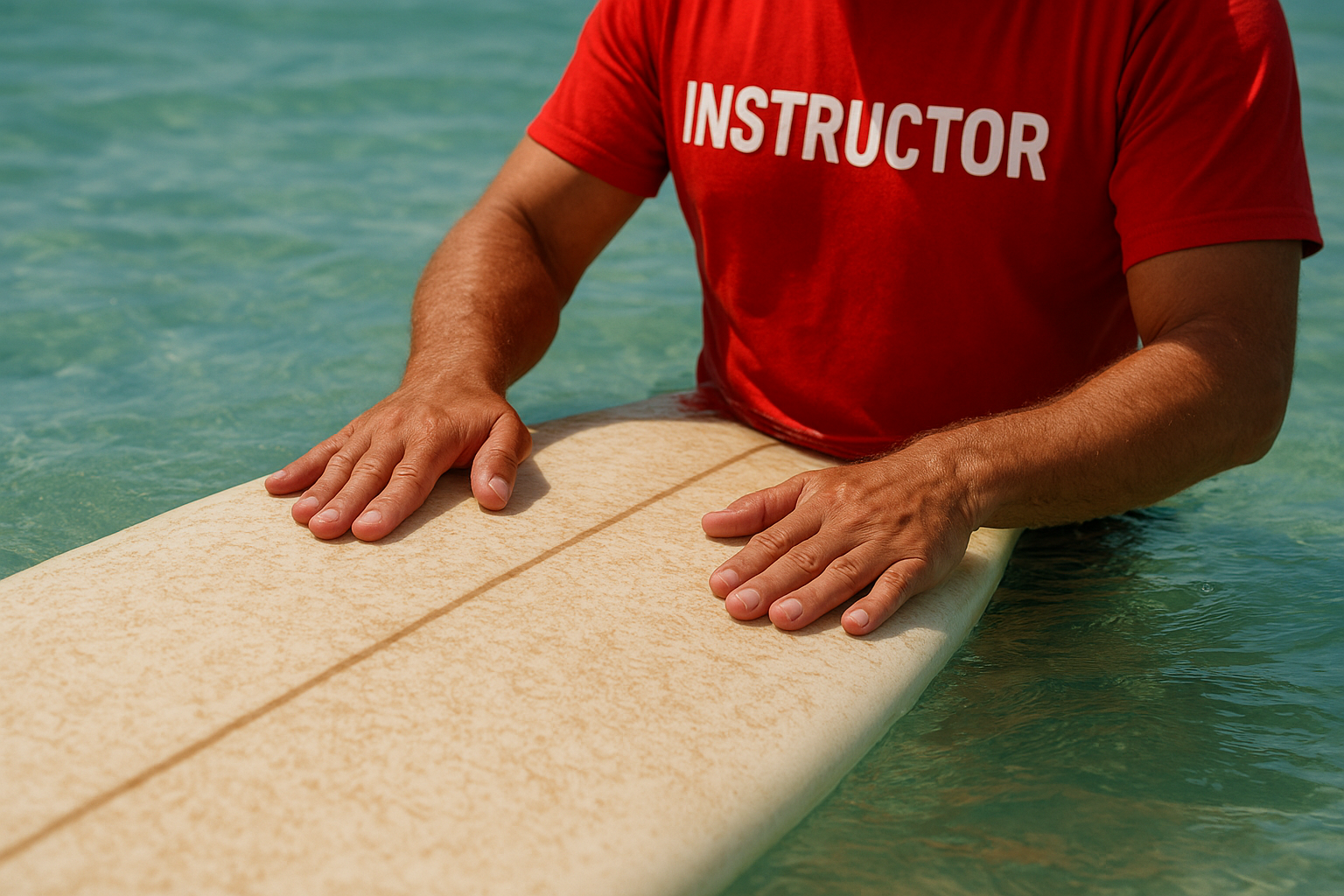
Proper technique demonstrations are a core part of every certified lesson.
Best Honolulu Beaches Where Certified Instructors Teach
Unlike North Shore surf spots, which cater heavily to experienced surfers chasing winter swell, Honolulu’s town-side beaches were practically built for structured beginner instruction. Consequently, certified surf instructors Honolulu schools deploy tend to concentrate lessons at a handful of proven, forgiving breaks.
- Waikiki Beach — sandy bottom, long rolling whitewash, and the highest concentration of certified schools on the island, ideal for first-timers and families.
- Kaka’ako / Point Panic area — calmer summer conditions well suited to slow-paced, one-on-one coaching sessions.
- Ala Moana Bowls — better suited to intermediate students once basic pop-up and paddling skills are consistent.
This overview of Honolulu surf lessons and how to ride waves in Hawaii breaks down location-specific considerations worth factoring into your decision, particularly if you are choosing between a hotel-adjacent lesson and a quieter side beach.
What Happens During Your First Lesson With a Certified Coach
Your first lesson typically starts on the sand, where a certified instructor walks you through paddling motion, standing technique, and basic ocean etiquette. Afterward, you will practice popping up on a stationary board before heading into shallow, gentle waves under close supervision.
Meanwhile, instructors continuously adjust their coaching based on how quickly you progress, offering more challenging waves once you show consistent balance. This complete beginner’s guide to surfing lessons in Honolulu walks through what a typical first session looks like from start to finish, including realistic timelines for standing up on your own.
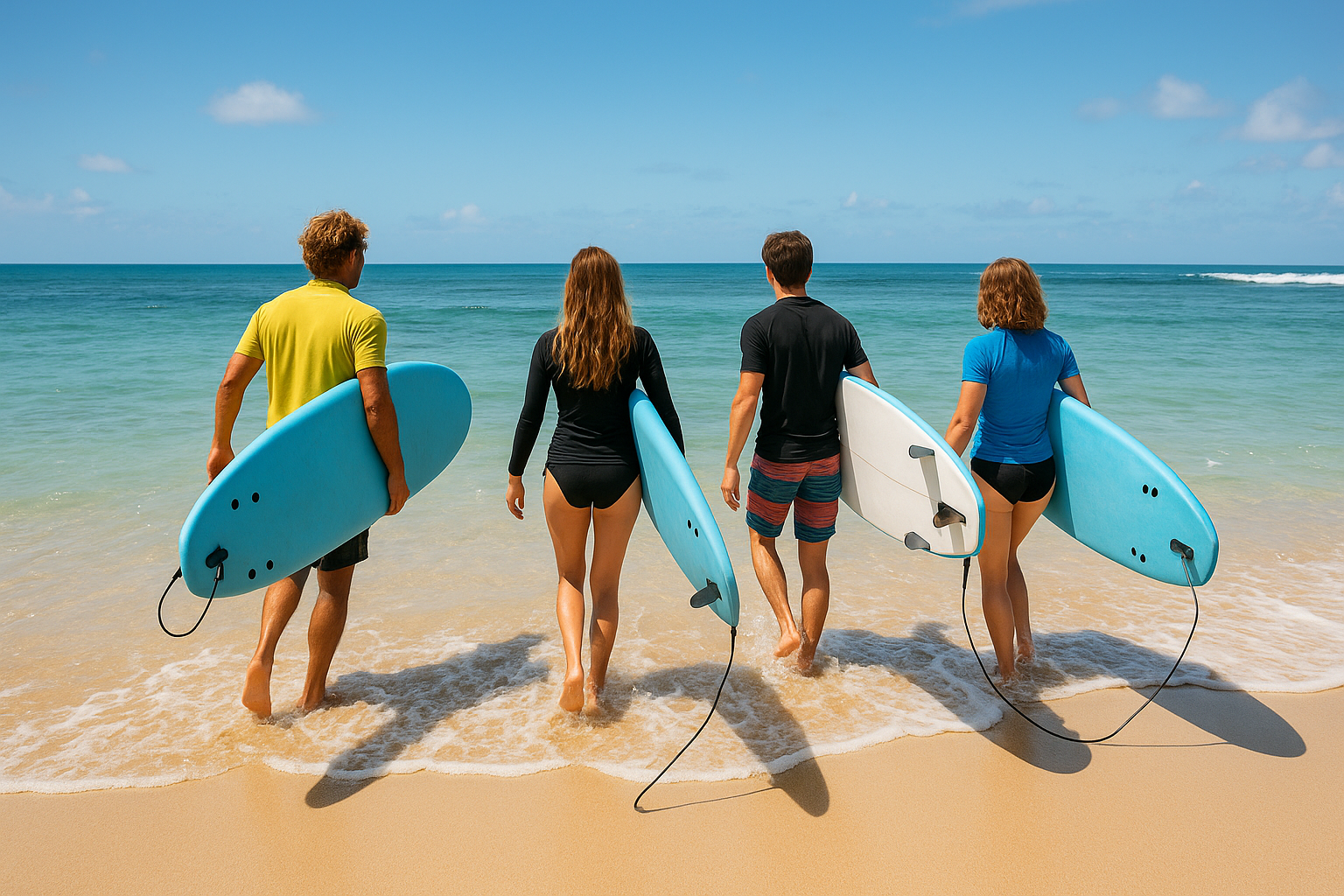
Group lessons let certified surf instructors guide multiple students at once while keeping safety a priority.
Safety Protocols Every Certified Honolulu Surf School Should Follow
Reputable surf schools in Honolulu follow safety standards that go well beyond simply handing over a board. Typically, this includes daily condition assessments, equipment checks, and clear communication about hazards specific to that day’s surf.
Similarly, many schools limit lesson locations to beginner-friendly breaks with sandy bottoms and gentle wave faces, which reduces the risk of collisions with reef or rocks. In particular, instructors are trained to position themselves between students and incoming waves during the learning phase, a small detail that makes a significant safety difference over an entire lesson.
Organizations like the International Surfing Association publish coaching guidelines that many Hawaii-based schools reference when building their own safety protocols, and some instructors additionally complete American Red Cross lifeguarding courses for an extra layer of open-water preparedness.
How Much Do Certified Surf Instructors in Honolulu Charge?
Pricing varies by school, but group lessons with certified instructors generally run in the moderate range per person, while private, one-on-one sessions cost more due to the individualized attention and smaller ratio. Therefore, it helps to compare group versus private pricing against what each format actually includes.
- Group lessons typically split instructor attention across four to eight students, keeping per-person cost lower.
- Semi-private lessons offer a middle ground, often two to three students per certified instructor.
- Private lessons cost the most but deliver faster progress, since coaching is fully tailored to one student’s pace.
Certified instructors sometimes charge slightly more than uncertified beach vendors, but the difference typically reflects added safety training, insurance, and liability coverage. Most visitors find the extra cost worthwhile given the improved safety and faster skill progression that follows.
Choosing the Right Surf School in Honolulu
Beyond individual instructor credentials, it helps to consider the surf school’s overall reputation, location options, and lesson variety. For example, some schools specialize in family lessons, while others focus on intermediate coaching for surfers ready to refine their turns and timing.
Additionally, this article on what makes the best surf instructor in Oahu outlines the personal qualities that separate a good instructor from a great one, beyond the certificate itself. You can also explore lesson options directly through Star Beach Boys, where experienced, certified coaches lead lessons for all skill levels along Oahu’s coastline.
Frequently Asked Questions About Certified Surf Instructors Honolulu
What are certified surf instructors Honolulu schools rely on, and why does certification matter?
Certified surf instructors Honolulu schools employ have completed formal training in wave safety, rescue response, and progressive coaching methods. Certification matters because it verifies an instructor can handle emergencies and teach technique correctly, reducing injury risk for students.
How do I know if a surf instructor is truly certified?
Ask the surf school directly which certification body trained their instructors, such as the International Surfing Association or a national lifeguard association. Reputable schools display credentials on their website or provide them on request without hesitation.
What certification bodies train surf instructors in Hawaii?
The International Surfing Association is the most widely recognized global body for surf coach certification. Some Hawaii instructors also hold American Red Cross lifeguard and CPR credentials alongside their coaching certification.
Are certified surf instructors more expensive than uncertified ones?
Certified instructors sometimes charge slightly more, but the difference typically reflects added safety training and liability coverage. Most visitors find the extra cost worthwhile given the improved safety and faster skill progression.
How long does it take to become a certified surf instructor?
Most entry-level surf coaching certifications take a few days to complete, though instructors often spend years building ocean experience first. Advanced certifications and lifeguard training can add several additional weeks of coursework.
Is surfing with a certified instructor safe for children?
Yes, certified instructors are trained to assess a child’s comfort level, use appropriate boards, and stay close during every wave attempt. Many Honolulu schools also offer family-friendly lessons with smaller student-to-instructor ratios for younger surfers.
What safety equipment do certified instructors typically provide?
Certified instructors usually supply soft-top beginner boards, leashes, and rash guards suited to conditions. Many also carry rescue tubes or first aid kits as part of their required safety protocol.
How many people are usually in a group lesson with a certified instructor?
Group lessons commonly range from four to eight students per instructor, though ratios vary by school. Smaller groups or private lessons allow more individualized coaching and faster progress.
Can certified surf instructors teach adults with no prior experience?
Absolutely, certified instructors are trained to work with complete beginners of any age. Lessons typically start on land with balance and paddling basics before moving into small, manageable waves.
What is the difference between a surf guide and a certified surf instructor?
A surf guide often points out waves and locations but may lack formal teaching credentials, while a certified instructor has documented training in technique, safety, and rescue procedures. This distinction matters most for beginners who need structured guidance.
Do certified surf instructors carry lifeguard or CPR training?
Many certified surf instructors hold current CPR and first aid certification alongside their coaching credentials. Some also complete ocean lifeguard training, which adds another layer of safety during lessons.
How do I book a lesson with certified surf instructors in Honolulu?
Most Honolulu surf schools allow online booking directly through their website, where you can select group or private lessons. It helps to book a few days ahead during peak tourist season to secure your preferred time slot.
What should I bring to my first lesson with a certified instructor?
Bring a swimsuit, sunscreen, a towel, and a bottle of water for your lesson. Certified instructors generally provide the board, leash, and any additional safety gear needed for the session.
How do certified instructors adapt lessons for different skill levels?
Certified instructors assess each student’s comfort and ability before adjusting board size, wave selection, and coaching pace. This progressive approach helps beginners build confidence while giving intermediate surfers room to refine technique.
Is Honolulu or the North Shore better for beginners learning with a certified instructor?
Honolulu is generally the better choice for beginners because its sandy-bottom beaches and gentler year-round waves suit progressive coaching. The North Shore’s powerful winter swells and reef breaks are better suited to advanced surfers working with certified instructors on technique refinement.
Final Thoughts: Booking Certified Surf Instructors in Honolulu With Confidence
Ultimately, choosing certified surf instructors Honolulu visitors and locals trust comes down to verifying credentials, understanding safety protocols, and matching instruction style to your skill level. Therefore, taking a few extra minutes to research an instructor’s background pays off in both safety and enjoyment once you are out on the water. Whether you are booking a first-timer lesson or refining an existing skill set, working with a certified coach remains the most reliable path to a confident, memorable surf experience in Hawaii.