Beginner surf safety workshops Oahu locals and visitors rely on teach new surfers how to read ocean conditions, handle a surfboard, and respond to emergencies before they ever touch the water. For many first-time surfers, the ocean feels unpredictable and even a little intimidating. However, a structured safety workshop removes much of that uncertainty by pairing hands-on instruction with real beach conditions. These programs typically combine a short classroom-style briefing with supervised practice in shallow water, so participants understand currents, wave patterns, and basic rescue techniques before attempting to stand on a board. In particular, Oahu’s variable surf conditions make this kind of preparation especially valuable for tourists, families, and anyone trying surfing for the first time.
Quick Answer: Beginner surf safety workshops are short, instructor-led sessions on Oahu that teach ocean awareness, rip current recognition, and basic rescue skills before a first surf lesson. Most run 60 to 90 minutes and take place on calm, beginner-friendly beaches like Waikiki.
What Are Beginner Surf Safety Workshops Oahu Offers for New Surfers?
Beginner surf safety workshops Oahu offers are structured, instructor-led sessions that teach ocean awareness, rip current identification, paddling technique, and basic rescue skills before a student’s first real surf lesson. Sessions generally last 60 to 90 minutes and are held on calm, sandy-bottomed beaches rather than reef breaks.
Unlike a standard surf lesson, which focuses mainly on standing up and riding a wave, a safety workshop puts ocean literacy first. For instance, students learn to spot a rip current, a narrow channel of water pulling away from shore, before they ever paddle out. As a result, new surfers enter the water with a mental map of hazards instead of guessing. In addition, most workshops cover basic etiquette, such as right-of-way rules, so beginners do not unintentionally create dangerous situations for themselves or other surfers nearby.

An instructor walks beginners through paddling basics before the first in-water practice session.
Why Ocean Safety Training Matters Before You Paddle Out
Ocean conditions can change quickly, and that is precisely why safety training matters so much for first-time surfers. According to the National Weather Service, rip currents are responsible for roughly 100 drowning deaths across the United States every year, and most of those incidents involve swimmers and surfers unfamiliar with local beach hazards.
On Oahu specifically, wave energy and currents shift noticeably between the calmer south shore and the more powerful north shore, particularly in winter. Therefore, learning how to read a beach before entering the water is one of the most valuable skills a beginner surfer can gain. Organizations such as the United States Lifesaving Association consistently recommend swimming near a staffed lifeguard tower, and surf safety workshops reinforce that habit from day one.
Beyond currents, training also covers sun exposure, dehydration, and marine life awareness, which are easy to overlook during the excitement of a first surf session. Consequently, students who complete a safety briefing tend to feel calmer and more confident once they actually paddle out.
What Happens During a Typical Beginner Surf Safety Workshop?
Most beginner surf safety workshops follow a similar sequence, regardless of which school runs the session. The steps below outline what new surfers can generally expect from start to finish.
- Check conditions and gear: Instructors review the day’s wave height, tide, and wind before anything else, then fit each student with a properly sized soft-top board and ankle leash for the conditions.
- Learn ocean hazards: Students learn to visually identify rip currents, shore breaks, and reef hazards from the beach, along with how lifeguard flag colors indicate current risk levels.
- Practice on the sand: Before entering the water, each student practices paddling motion, the pop-up technique, and board balance on the sand under direct instructor supervision for safety.
- Enter shallow water together: The group wades into shallow, calm water as a unit so the instructor can demonstrate how to duck under small waves and hold the board correctly while walking out.
- Review rescue signals and regroup: The session closes with a review of hand signals for requesting help and a reminder of the nearest lifeguard tower location before students attempt their first ride.
Once these steps are complete, students typically move directly into a full surf lesson with the same instructor, applying everything they just learned in real wave conditions. For a deeper look at full lesson structure, this guide to surfing lessons on Oahu explains how safety training connects to skill progression.
Choosing the Right Oahu Surf Safety Class for Your Trip
Not every beach on Oahu is equally suited to beginner safety training. Waikiki remains the most popular choice because of its gentle, rolling waves, sandy bottom, and heavy lifeguard presence, which is exactly why so many schools base their beginner programs there. In contrast, the North Shore’s famous winter swells are far better suited to advanced surfers.
If you are still deciding where to start, this breakdown of the best beginner surf spots on Oahu compares wave conditions across several beaches. Similarly, visitors researching schools near Waikiki can review this guide to beginner-friendly surf school options in Waikiki for a side-by-side look at local programs.
Above all, confirm that any program you choose includes a dedicated safety component rather than jumping straight into wave riding. A short delay to cover hazards and rescue basics is a small trade-off for a much safer first experience in the water.

Calm, sandy-bottom coves like this one are ideal settings for beginner-focused ocean safety training.
Essential Ocean Safety Skills Every Beginner Surfer Should Learn
Beyond the structure of a single workshop, there are a handful of core skills that every new surfer should carry with them long after the lesson ends. These skills build the foundation for safer ocean surfing for beginners at any beach, not just on Oahu.
- Recognizing rip currents and swimming parallel to shore to escape one safely.
- Understanding surf etiquette, including right-of-way rules and safe spacing from other surfers.
- Keeping the surfboard between you and oncoming whitewater to avoid injury.
- Wearing a properly fitted leash to prevent losing the board in bigger sets.
- Applying reef-safe sunscreen and staying hydrated during longer sessions in the sun.
For readers who want a broader overview of surfing fundamentals before booking a class, the Wikipedia entry on surfing offers useful background on the sport’s history and basic technique terminology.
How Local Surf Schools Build Safety Into Every Beginner Lesson
Reputable surf schools on Oahu treat safety training as a built-in part of the beginner experience rather than an optional add-on. Starbeachboys, for example, structures its programs around personalized, instructor-led guidance for complete beginners through intermediate surfers, with an emphasis on building skills progressively in a controlled environment.
This approach matters because confidence in the water grows fastest when safety comes first. Families and first-time visitors in particular benefit from a calm, methodical introduction rather than being rushed straight into deeper water. Readers can explore program details directly at starbeachboys.com, or review this overview of surfing lessons on Oahu to see how safety instruction fits into the full learning path.
Finally, anyone still comparing locations and providers may find it helpful to check this resource on where to learn to surf in Oahu, which outlines spots, schools, and planning tips for a first visit. For additional context on local ocean conditions, the Hawaii Department of Land and Natural Resources publishes current beach safety advisories worth checking before any trip.
Frequently Asked Questions About Beginner Surf Safety Workshops Oahu
What is included in beginner surf safety workshops Oahu?
Beginner surf safety workshops Oahu programs typically include an ocean conditions briefing, rip current identification, paddling and pop-up practice on sand, and supervised time in shallow water. Instructors also cover surfboard handling and basic hand signals used between surfers and lifeguards.
How long does a beginner surf safety briefing take?
Most safety briefings run 20 to 30 minutes before the in-water portion begins. A full workshop combining the briefing with practice usually lasts between 60 and 90 minutes.
Do I need to know how to swim to take a surf safety class?
Basic swimming comfort is recommended, since you will be in the water even for shallow practice sessions. Instructors can usually adjust the lesson for nervous swimmers, but strong swimming skills make the experience far safer and more enjoyable.
What is a rip current and how do I escape one?
A rip current is a narrow, fast-moving channel of water flowing away from shore. The safest escape method is to swim parallel to the beach until free of the current, then angle back toward land instead of fighting directly against it.
Which Oahu beaches are best for beginner surf safety training?
Waikiki Beach is widely considered the best location because of its gentle, rolling waves and sandy bottom. North Shore beaches, in contrast, are better suited to experienced surfers due to stronger currents and seasonal swells.
How much do surf safety workshops cost on Oahu?
Pricing varies by provider and session length, but most beginner workshops are bundled into group or private surf lesson packages rather than sold separately. Contacting a local surf school directly is the most reliable way to get current pricing.
What should I wear to a surf safety workshop?
A swimsuit or rash guard with reef-safe sunscreen is the standard choice. Avoid loose jewelry and wear sun protection like a hat for the classroom portion held on the beach.
Can children join beginner surf safety workshops?
Yes, many Oahu surf schools welcome children, often starting around age six or seven depending on swimming ability. Family-friendly sessions typically use softer boards and shallower water for added safety.
What is the biggest mistake new surfers make with ocean safety?
The most common mistake is underestimating current strength and paddling out beyond their skill level. Beginners should always check conditions, stay near a lifeguard tower, and surf with an instructor until they build confidence.
How is a surf safety workshop different from a surfing lesson?
A safety workshop focuses specifically on ocean awareness, hazard recognition, and rescue basics, while a surfing lesson emphasizes paddling, standing up, and riding waves. Many schools combine both into a single structured session.
Do surf schools provide safety equipment?
Reputable surf schools provide soft-top beginner boards, leashes, and sometimes rash guards as part of the lesson package. Instructors also carry basic safety gear such as whistles or flotation aids during group sessions.
When is the safest time of year to learn to surf on Oahu?
Summer months, roughly May through September, generally bring calmer south shore waves that are easier for beginners. Winter brings larger, more powerful swells, particularly on the North Shore, which are unsuitable for first-time surfers.
What ocean safety signals should beginners know?
Beginners should recognize lifeguard flag colors indicating hazard levels and understand the universal signal for needing help, which is raising one arm while treading water. Learning these signals before entering the water can speed up a rescue response.
Are beginner surf safety workshops Oahu programs worth it for tourists?
Yes, beginner surf safety workshops Oahu programs give visitors unfamiliar with local conditions a major safety advantage before paddling out. They reduce the risk of accidents and help tourists enjoy their surf lesson with far more confidence.
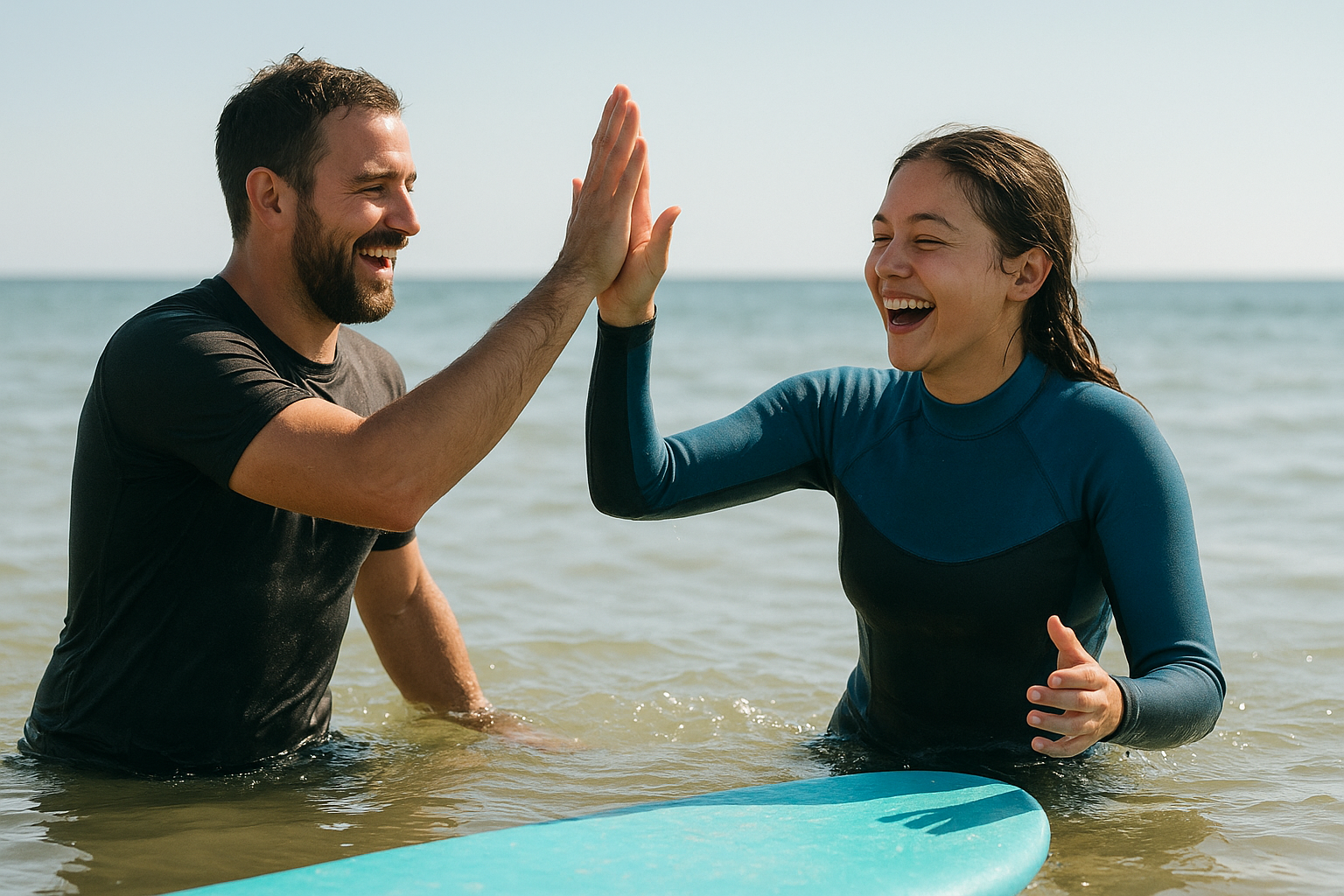
Safety training builds the confidence needed to enjoy that first successful wave.
Final Thoughts on Learning to Surf Safely
Ultimately, beginner surf safety workshops Oahu programs offer far more than a formality before a surf lesson. They give new surfers the ocean knowledge, hazard awareness, and basic rescue skills needed to enjoy the water with genuine confidence rather than guesswork. Whether you are a first-time visitor to Waikiki or a local resident finally trying the sport, starting with a safety-focused session sets the tone for every lesson that follows. In the end, a little preparation on the sand makes the time spent riding waves that much more rewarding.