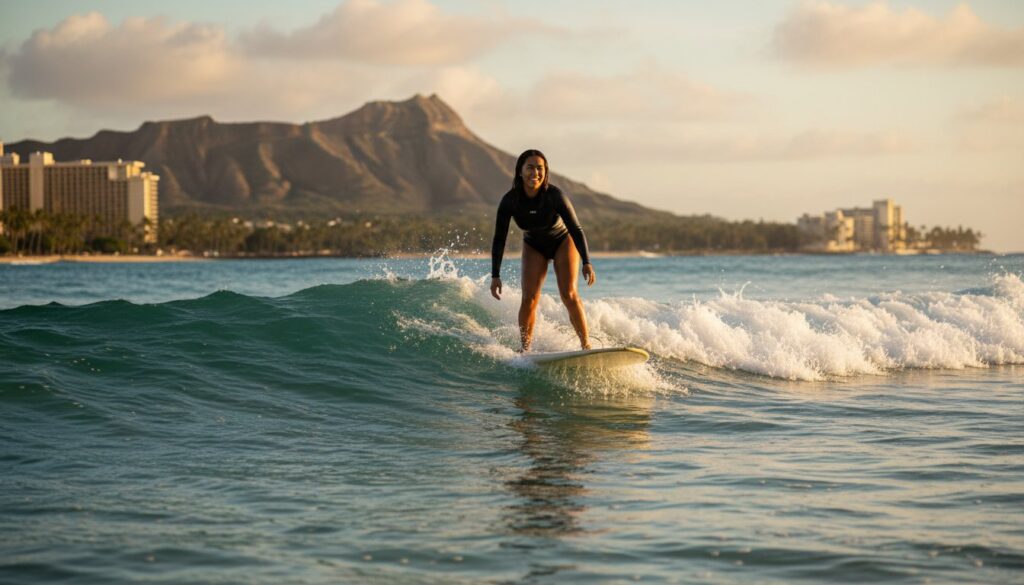
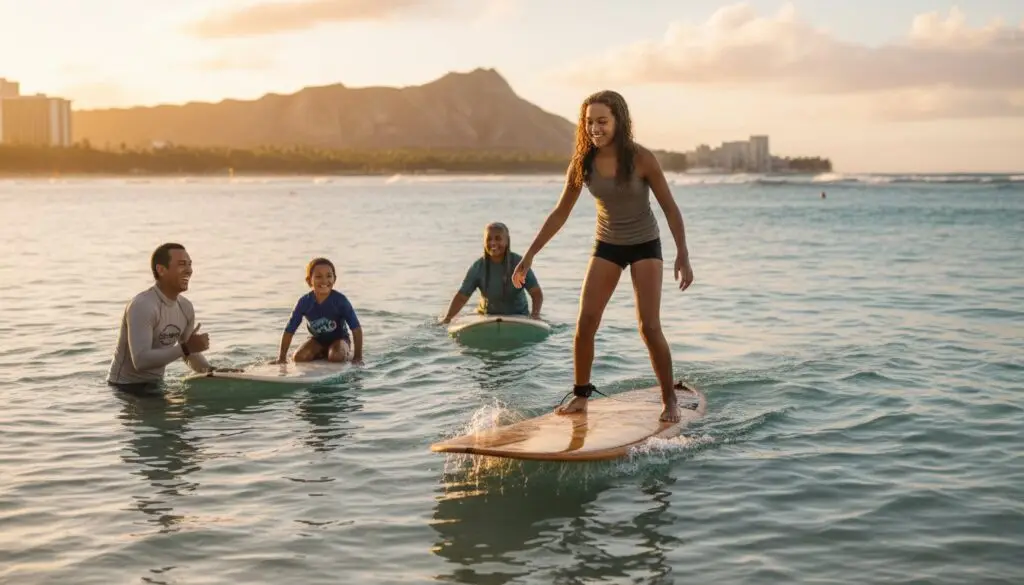
Adult surf lessons Hawaii programs give grown beginners a safe, structured way to learn one of the world’s most exhilarating water sports, no matter their age or fitness level. Whether you’re a vacationing thirty-something or a retiree checking a bucket-list item, these lessons are designed around adult learning styles, not kids’ summer camp energy. In fact, surf schools across the islands report that adult students now make up a substantial share of first-time bookings every year.
Quick Answer: Adult surf lessons Hawaii typically last 60 to 90 minutes, cost $75-$250 depending on group size, and take place in gentle beginner-friendly breaks like Waikiki. Most adults stand up and ride a wave during their very first session with instructor guidance.
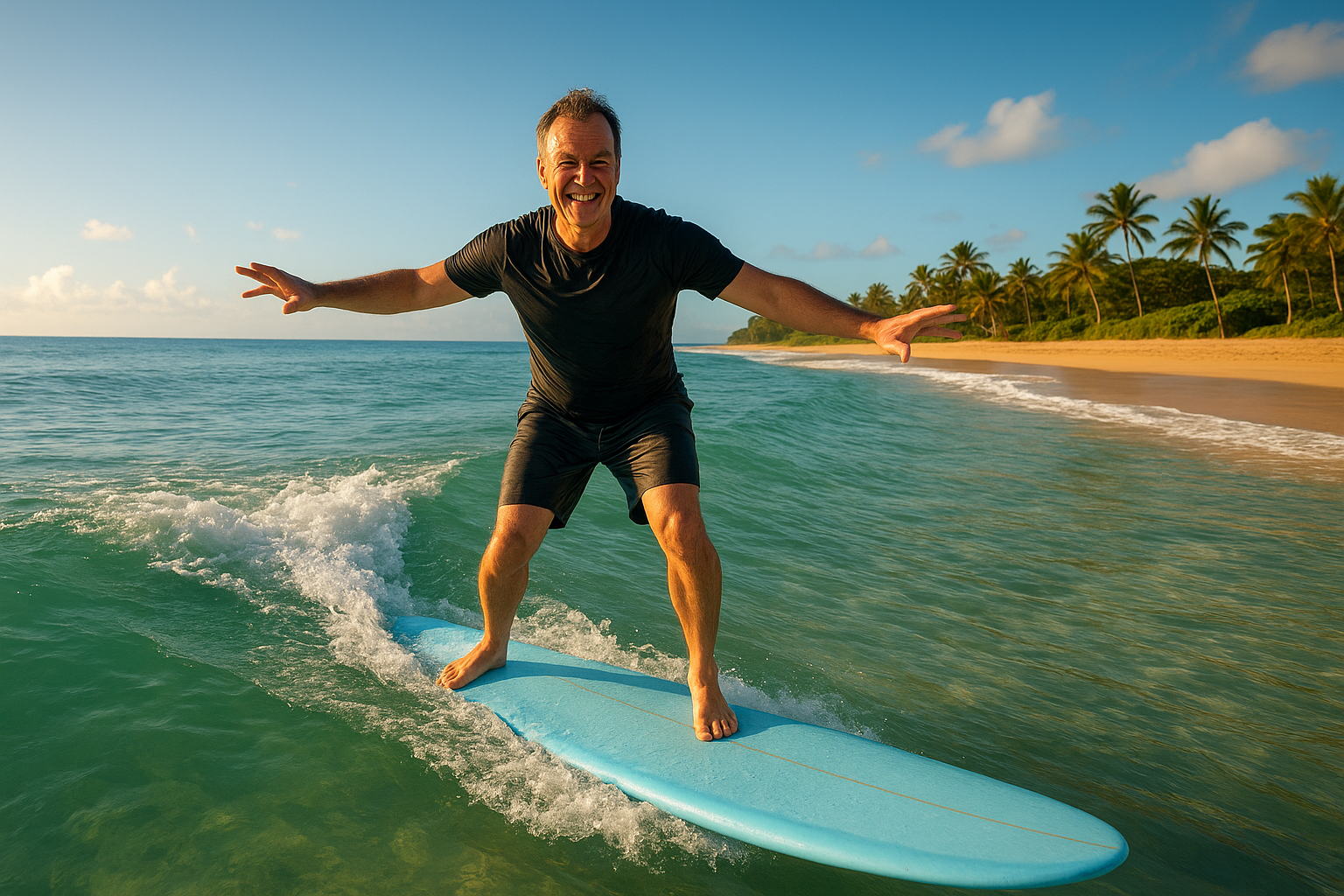
Adult surf lessons Hawaii focus on gentle waves and patient coaching for first-time riders.
What Are Adult Surf Lessons in Hawaii?
Adult surf lessons Hawaii are surf instruction sessions built specifically for grown learners rather than children’s camps or drop-in tourist crowds. Instructors typically pair students with soft-top foam boards, which are more stable and forgiving than sharp fiberglass shortboards. As a result, adults can focus on balance and timing instead of worrying about falling onto a hard edge.
Unlike casual beach rentals, structured lessons include a safety briefing, land practice, and guided wave catching with an instructor physically assisting the launch. This layered approach means even nervous first-timers usually leave the water having stood up at least once.
Why More Adults Are Learning to Surf in Hawaii
Surfing has quietly shifted from a youth-dominated sport to one embraced by learners well into their 40s, 50s, and 60s. According to outdoor recreation surveys from organizations like the Outdoor Foundation, adults now represent a growing share of new participants across action sports nationwide, and Hawaii’s surf schools reflect that same trend firsthand.
Several factors drive this shift. For instance, remote work has freed up mid-career travelers to take longer vacations. In addition, wellness culture has pushed many adults toward outdoor, low-impact fitness activities. Consequently, surf schools have adapted their pacing, equipment, and coaching style specifically for older bodies and busier schedules.
How to Choose the Right Adult Surf Lesson Program
Choosing well matters just as much as showing up ready to learn. Above all, look for instructors with recognized certifications and a track record teaching nervous adult beginners, not just children. For a deeper breakdown of vetting credentials, group sizes, and insurance coverage, this complete guide to choosing a surfing school in Hawaii walks through every consideration in detail.
Furthermore, ask about student-to-instructor ratios before booking. A ratio of two or three students per instructor generally allows enough individual attention for adults who want real technique correction rather than a rushed group experience.
Private, Group, or Semi-Private Adult Surf Lessons?
Group settings tend to suit adults who enjoy a shared, social learning environment and want a more budget-friendly rate. If that sounds appealing, this guide to group surf lessons in Hawaii explains how groups are typically organized by skill level.
On the other hand, private lessons deliver faster technical progress because the instructor’s full attention stays on you. Many first-time adult students specifically choose Waikiki surf lessons for this reason, since the gentle, slow-breaking waves there are ideal for one-on-one coaching without added crowd pressure.
What Happens During Your First Adult Surf Lesson
Most first sessions follow a predictable, reassuring structure. Here is the typical sequence:
- Beach briefing and safety talk: Your instructor covers ocean conditions, wave etiquette, and how to fall safely before anyone touches the water.
- Land-based pop-up practice: You rehearse the paddle-to-stand motion on dry sand until it feels familiar in your muscles.
- Paddling out with guidance: The instructor leads you to a calm entry point, timing your position away from busy lineups.
- Catching your first guided wave: Your instructor selects a manageable wave and helps push or position your board so you can stand and ride toward shore.
- Debrief and feedback: After several attempts, you review what worked and set clear goals for your next lesson.
Safety and Fitness Tips for Adult Beginner Surfers
Safety should never be an afterthought, particularly for adults returning to more active hobbies after years away from regular exercise. Before booking, review basic rip current safety guidance from NOAA, since understanding water movement helps any beginner stay calm and oriented.
Similarly, sun exposure adds up quickly during a 60-to-90-minute session. The CDC’s sun safety recommendations suggest reef-safe sunscreen, a rash guard, and reapplication after extended water time. Adults with joint concerns should also mention any physical limitations to their instructor beforehand, as pacing and board selection can be adjusted accordingly.
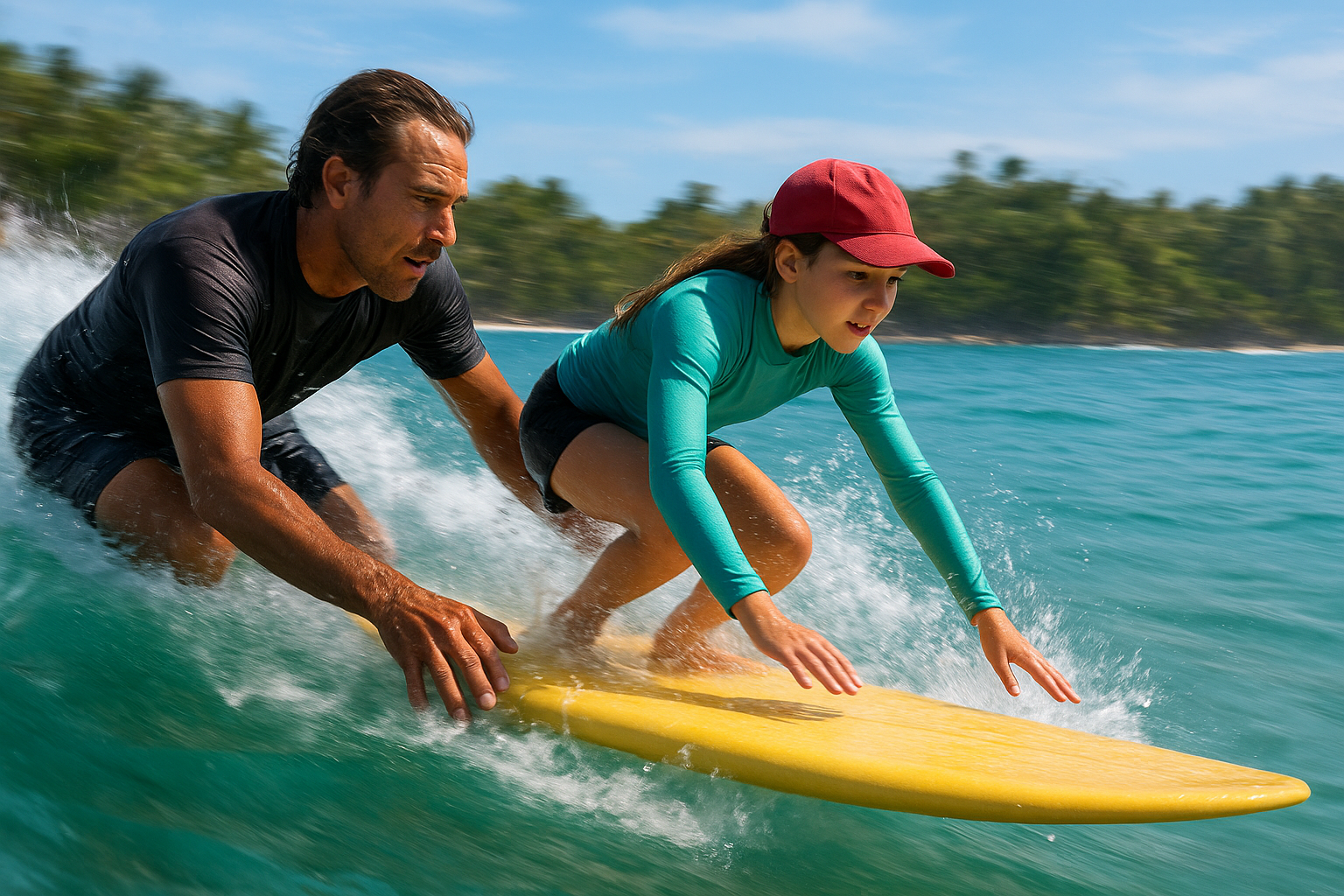
Hands-on instructor guidance helps adult beginners catch their first waves safely.
Best Oahu Beaches for Adult Surf Lessons
Not every beach suits a beginner, so location matters as much as instructor quality. Waikiki remains the gold standard for adult learners because its long, gentle, slow-rolling waves forgive timing mistakes that would be punishing on a steeper break. Consequently, most established schools base their beginner programs there.
If you’re traveling with family and want everyone, kids included, learning together, this family-friendly surf lessons guide for Oahu covers how mixed-age groups are typically handled. According to the general overview available at starbeachboys.com, lesson locations are chosen specifically for consistent, manageable surf conditions year-round.
Common Mistakes Adult Beginners Should Avoid
Even motivated adult students tend to repeat a few predictable errors. Understanding these ahead of time can shorten the learning curve considerably.
First, many beginners try to stand up too fast, skipping the controlled push-up motion instructors teach. Second, looking down at your feet instead of ahead toward shore throws off balance almost every time. Third, choosing a board that’s too small out of vanity slows progress, since a larger, more buoyant board is genuinely easier to ride at the beginner stage. Finally, skipping the land-based practice step because it feels unnecessary usually backfires once you’re actually on a moving wave.
Frequently Asked Questions About Adult Surf Lessons Hawaii
What are adult surf lessons in Hawaii?
Adult surf lessons Hawaii are structured surf instruction programs designed specifically for grown beginners, focusing on ocean safety, balance, and paddling technique before progressing to standing on a wave. Most sessions are led by certified instructors in gentle, beginner-friendly surf zones like Waikiki.
How much do adult surf lessons cost in Hawaii?
Group adult surf lessons in Hawaii typically range from $75 to $120 per person, while private lessons often cost between $150 and $250 per hour. Prices vary depending on group size, lesson length, and location on the island.
How long does it take an adult to learn to surf?
Most adults can stand up and ride a small wave during their very first one-hour lesson, but building real independence usually takes three to five sessions. Consistent practice speeds up progress significantly.
Is it too late to learn to surf as an adult?
No, it is never too late to learn to surf as an adult, and surf schools in Hawaii regularly teach first-timers in their 30s, 50s, and beyond. Balance and confidence in water matter far more than age.
What should I wear to my first adult surf lesson?
Wear a swimsuit or rash guard with board shorts, and apply reef-safe sunscreen beforehand since you will be in direct sun on the water. Many schools provide rash guards or wetsuit tops if needed.
Do I need to be a strong swimmer to take adult surf lessons?
You should be comfortable in water and able to swim a short distance, but you do not need to be an athlete or expert swimmer to take adult surf lessons Hawaii. Instructors stay close by in beginner-friendly conditions for safety.
What is the difference between private and group adult surf lessons?
Private lessons offer one-on-one coaching and faster individual progress, while group lessons are more affordable and add a social, shared-experience element. Many adult beginners start with a semi-private option to balance cost and attention.
What is the best time of year for adult surf lessons in Hawaii?
Summer months, roughly May through September, generally bring smaller and calmer south shore swells that are ideal for adult beginners. Winter often produces larger north shore surf better suited to experienced riders.
What common mistakes do adult beginners make when learning to surf?
Common mistakes include standing up too quickly, looking down at the board instead of ahead, and choosing a board that is too small for a first lesson. Patience and a properly sized foam board solve most early struggles.
Can overweight or out-of-shape adults learn to surf?
Yes, surf instructors regularly work with adults of every fitness level, and beginner boards are built wider and more buoyant to support varied body types. Instructors adjust pacing so nobody feels rushed or overwhelmed.
How many adult surf lessons will I need before surfing independently?
Most adults need three to six guided lessons before they feel comfortable choosing waves and positioning themselves without instructor assistance. Renting a board and practicing between lessons helps reinforce muscle memory.
What should I bring to an adult surf lesson in Hawaii?
Bring a swimsuit, reef-safe sunscreen, a towel, water, and a positive attitude, since most schools supply the surfboard and any needed flotation gear. A hat and sunglasses with a strap are helpful extras for the beach.

Adults of every age and background gather for beginner surf lessons along Hawaii’s shoreline.
Final Thoughts on Learning to Surf as an Adult
Ultimately, adult surf lessons Hawaii prove that age is rarely the real barrier to learning; hesitation is. With patient, certified instructors, forgiving beginner boards, and gentle breaks like Waikiki, most grown beginners are standing on a wave within their very first session. As you weigh your options, remember to compare private versus group formats, check instructor credentials through resources like the background on surfing as a sport, and prioritize safety guidance from organizations such as NOAA. In the end, the ocean rewards patience far more than youth, so booking that first lesson may be the only real step standing between you and your new favorite hobby.