Surf lessons with ocean environmental education blend the thrill of catching a wave with a deeper understanding of the sea that makes that wave possible. Rather than treating a lesson as a one-hour skill drill, this approach weaves in lessons about tides, currents, marine life, and coastal conservation. As a result, students walk away with more than balance and paddling technique; they gain a genuine respect for the ocean they are playing in. For families, tourists, and locals alike, this style of instruction turns a single beach day into a lasting connection with the water.
What Is Surf Lessons With Ocean Environmental Education?
Surf lessons with ocean environmental education is surf instruction that combines hands-on wave-riding practice with structured teaching about marine ecosystems, weather, and ocean safety. Instructors explain why waves break the way they do, how tides shift throughout the day, and what role reefs and sea life play in a healthy coastline. In short, students learn to surf and to read the ocean at the same time.
This teaching style grew out of a simple observation: surfers who understand the ocean tend to surf more safely and with greater confidence. For example, a student who knows how a rip current (a narrow, fast-moving channel of water flowing away from shore) forms is far less likely to panic if caught in one. Similarly, understanding tide charts helps surfers choose the right time and spot for their skill level. Many coastal surf schools now treat environmental literacy as a core part of the curriculum rather than an afterthought. Consequently, lessons often include short briefings on local marine species, reef etiquette, and the impact of sunscreen chemicals on coral. This combination of physical coaching and ocean science gives beginners a fuller picture of the sport. Furthermore, it helps experienced surfers deepen their appreciation for the environment that makes their favorite hobby possible.
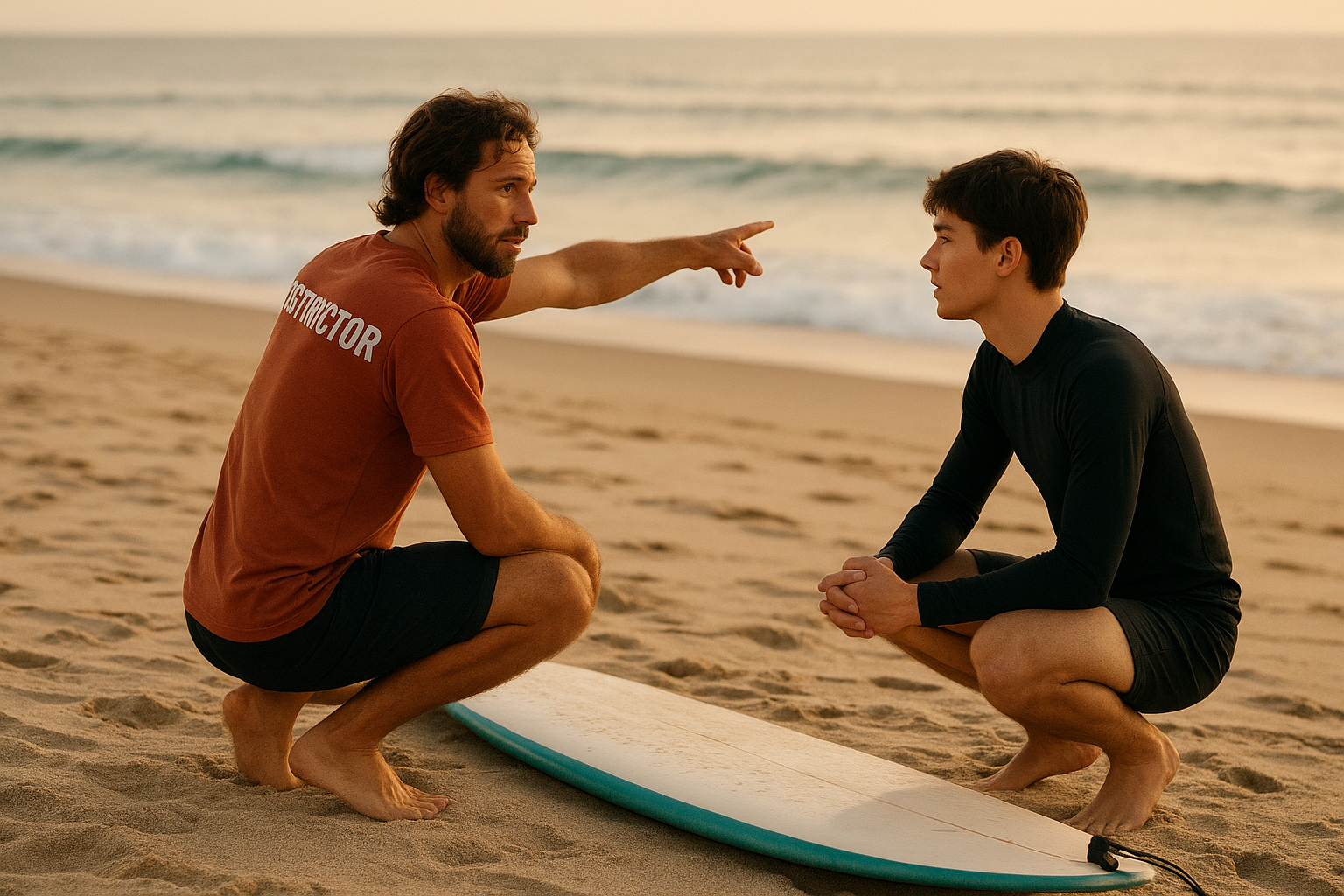
Surf lessons with ocean environmental education often begin on the sand, long before the first wave is caught.
Why Ocean Awareness Education Matters for New Surfers
Ocean awareness education matters because the sea is unpredictable, and knowledge is one of the best safety tools a surfer can carry. According to the National Oceanic and Atmospheric Administration, rip currents are responsible for more than 100 drowning deaths in the United States every year. Therefore, teaching new surfers how to identify and escape a rip current is just as important as teaching them how to stand on a board. In addition, understanding ocean behavior helps surfers avoid overcrowded breaks, submerged rocks, and shifting sandbars.
Beyond safety, ocean literacy builds confidence. When a student understands why a wave is forming, they can anticipate it rather than react to it in fear. Similarly, learning about local marine life—from sea turtles to small reef fish—reduces anxiety about the unknown and replaces it with curiosity. As a result, lessons that include environmental context tend to produce calmer, more capable surfers in a shorter amount of time.
This awareness also supports conservation. Surfers who understand coral sensitivity, for instance, are more likely to avoid standing on reefs or touching marine organisms. In particular, many surf schools now pair this education with simple beach habits, reinforcing the idea that enjoying the ocean comes with a responsibility to protect it. You can read more general background on wave formation and ocean behavior via Wikipedia’s overview of surfing.
How Surf Lessons With Ocean Environmental Education Work
Most programs follow a clear structure that blends classroom-style ocean science with in-water coaching. Here is how a typical session unfolds.
- Beach briefing on conditions. Instructors start on dry sand, explaining the day’s tide stage, swell direction, and wind pattern so students understand why certain waves look different from others.
- Marine life and safety overview. Before entering the water, the instructor points out any local hazards, such as rocky patches or jellyfish season, and introduces common marine species students might encounter.
- Guided paddling and wave selection practice. Students practice reading incoming sets, picking appropriate waves for their skill level, and timing their paddle to catch momentum safely.
- Post-session ocean debrief. After surfing, instructors review what happened in the water, connect it back to the earlier science lesson, and discuss small conservation habits like rinsing off sunscreen responsibly.
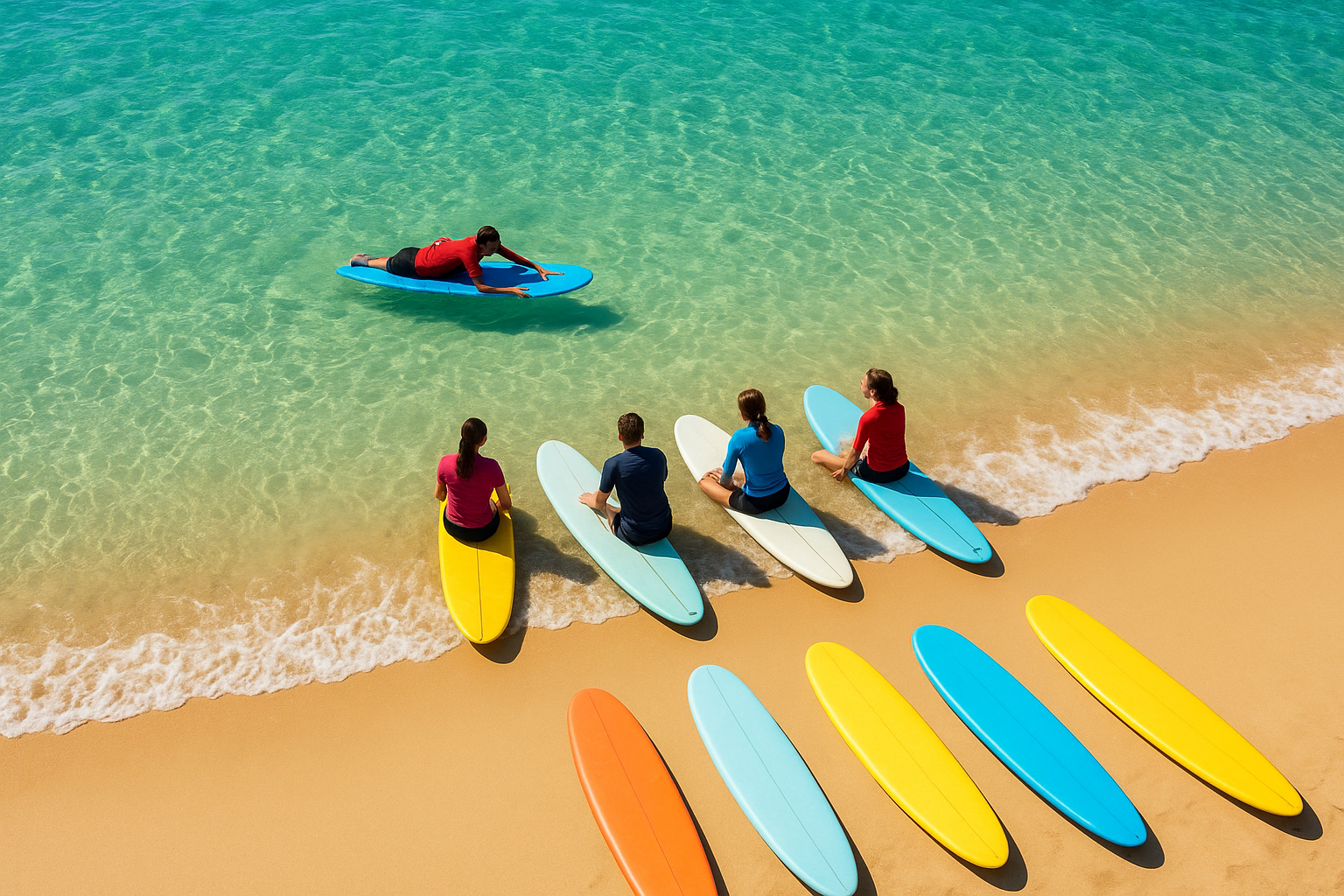
Each stage of the lesson connects a physical skill to a piece of ocean knowledge.
Who Benefits From Eco-Conscious Surf Instruction
Eco-conscious surf instruction suits a wide range of people, not just dedicated environmentalists. Families traveling with young children often appreciate the added safety context, since kids tend to ask constant questions about tides and sea creatures anyway. Likewise, tourists visiting an unfamiliar coastline benefit from understanding local conditions before paddling out on their own later in the trip.
Intermediate surfers gain value too. Once the basics of standing and paddling feel comfortable, understanding swell patterns and reef systems helps surfers progress toward bigger or more technical waves. Local residents, meanwhile, often use these lessons to deepen a relationship with a coastline they already visit regularly.
In short, almost anyone stepping into the ocean can benefit from pairing physical skill-building with environmental knowledge. Whether the goal is a single vacation memory or a long-term hobby, understanding the water adds depth to the experience. For families exploring this option together, this guide on whether young kids can learn surfing shows how accessible this teaching style can be across age groups.
Choosing the Right Surf School for Ocean-Focused Learning
Not every surf school treats ocean education as a priority, so it helps to ask a few questions before booking. First, find out whether instructors hold formal lifeguard or water safety certifications, since this often signals a deeper commitment to safety-first teaching. Second, ask whether lessons include any discussion of local marine life, tides, or conservation practices.
Star Beach Boys, for example, structures its lessons around personalized coaching combined with ocean awareness, serving everyone from first-time tourists to local residents looking to refine their technique. Because coastal conditions vary throughout the year, instructors adjust each session to match current swell, tide, and weather patterns rather than running a one-size-fits-all class.
For readers comparing options, this guide on choosing a surf school with strong ocean experiences breaks down what to look for beyond basic lesson pricing. Similarly, this overview of immersive surfing experiences explains how deeper ocean context can speed up skill progression. Ultimately, the right school should feel less like a one-off activity and more like an introduction to a lifelong relationship with the sea. You can also browse Star Beach Boys directly for current lesson options.
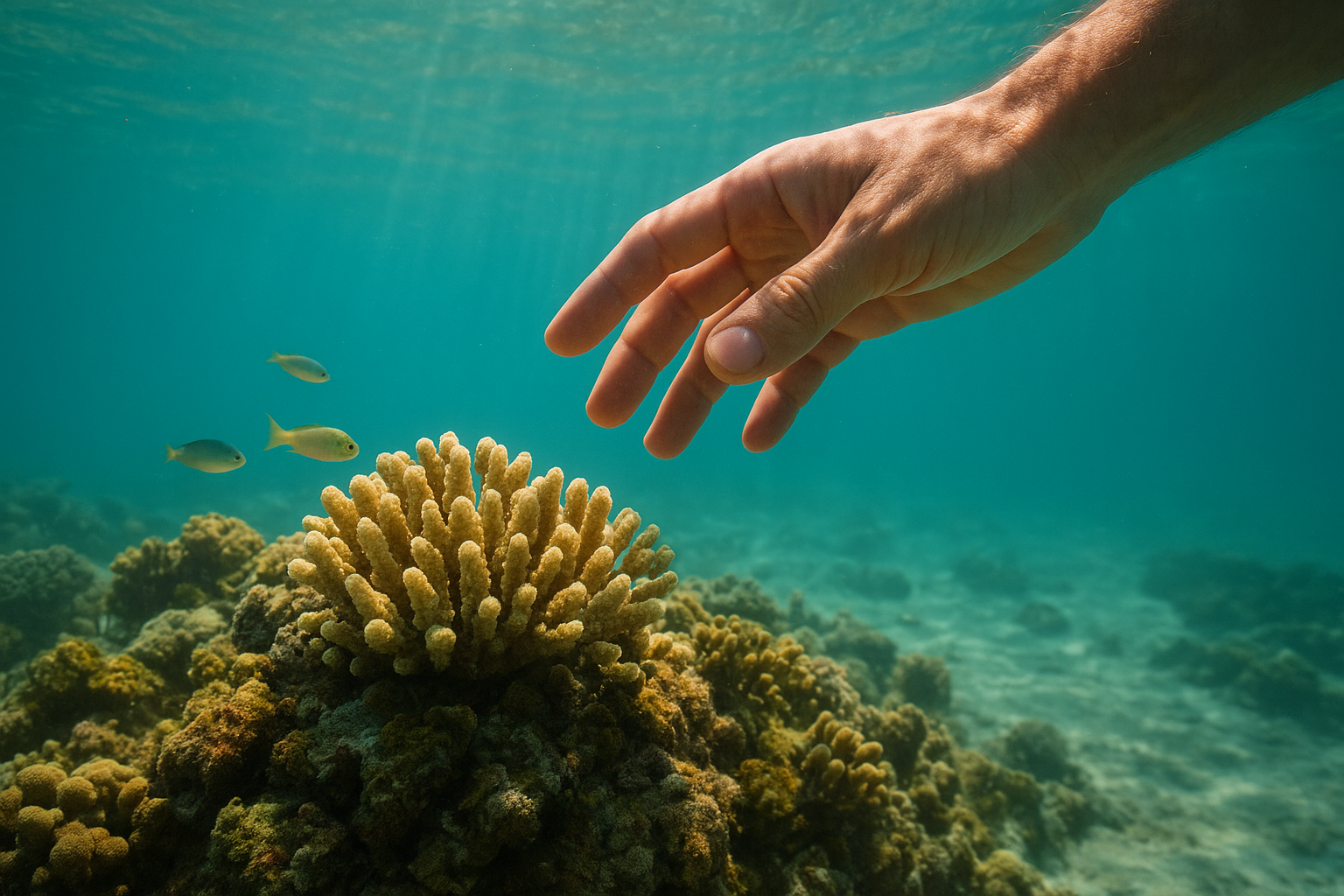
Respecting fragile reef systems is a core part of ocean environmental education on the water.
Marine Conservation Lessons Every Surfer Should Know
Marine conservation is a natural extension of any ocean-based activity, and surfing is no exception. The Surfrider Foundation, a well-known coastal advocacy group, notes that everyday choices like reef-safe sunscreen and proper trash disposal make a measurable difference to nearshore water quality. Consequently, many surf lessons now include a short reminder to choose mineral-based sunscreens instead of chemical formulas linked to coral bleaching.
In addition, students often learn basic reef etiquette: keeping a respectful distance from coral, avoiding standing on reef structures, and not touching or feeding marine animals. These small habits protect fragile ecosystems that take decades to recover once damaged. For background on these ecosystems, Wikipedia’s entry on coral reefs offers useful context.
Beyond individual habits, some programs incorporate short beach cleanup moments into the start or end of a lesson. This hands-on approach reinforces the lesson’s message in a tangible way. As a result, students leave not just with a new skill, but with a sense of stewardship over the coastline they just enjoyed. For more on building surf skills alongside this mindset, this guide to improving surf skills quickly offers additional technique-focused tips.
Frequently Asked Questions About Surf Lessons With Ocean Environmental Education
What is surf lessons with ocean environmental education?
Surf lessons with ocean environmental education combine standard surf coaching with lessons about tides, marine life, and ocean safety. Students learn both the physical skill of surfing and the science behind the ocean conditions they are riding in.
How long does a typical surf lesson with ocean education last?
Most sessions run between 90 minutes and two hours, including beach briefing, in-water coaching, and a short debrief. Private lessons can sometimes be shorter or extended depending on skill level.
Why do surf schools include environmental education in lessons?
Environmental education helps students surf more safely by understanding currents, tides, and marine hazards before entering the water. It also builds appreciation for ocean conservation, which many schools see as part of responsible instruction.
What age is appropriate to start surf lessons with ocean education?
Children as young as six or seven can often begin in calm conditions with close supervision, while adults of any age can start regardless of fitness level. Instructors typically adjust the pace and depth of environmental lessons based on the student’s age.
How much do ocean-focused surf lessons cost compared to standard lessons?
Pricing is usually similar to standard lessons since the environmental component is built into the existing session rather than sold as an add-on. Costs vary mainly by lesson length, group size, and whether the booking is private or shared.
What should I bring to a surf lesson that includes ocean education?
Reef-safe sunscreen, a towel, water, and appropriate swimwear are the basics most schools recommend. Some instructors also suggest bringing a notebook or using a phone afterward to jot down what was learned about local conditions.
Can complete beginners handle both surfing and environmental lessons in one session?
Yes, most programs are designed so the environmental content supports the physical learning rather than competing with it. Beach briefings happen before paddling out, so beginners are not trying to absorb two lessons at once in the water.
What common mistakes do new surfers make regarding ocean safety?
New surfers often misjudge rip currents, surf in overcrowded conditions, or ignore changing tide levels during a session. Ocean environmental education directly addresses these mistakes by teaching students to read conditions before paddling out.
How does tide knowledge improve surfing performance?
Understanding tides helps surfers choose the right time of day for their skill level, since wave shape and power can change significantly between high and low tide. This knowledge also helps avoid exposed rocks or shallow reef sections at low tide.
What marine life might I encounter during a surf lesson?
Depending on the location, students might see small fish, sea turtles, or seabirds feeding near the lineup. Instructors usually explain how to behave respectfully around any marine life encountered during the session.
Are group lessons or private lessons better for ocean education?
Private lessons allow more personalized environmental discussion suited to the student’s pace and curiosity, while group lessons offer a shared learning experience at a lower cost. Both formats can include meaningful environmental content when taught well.
What is the best time of day for a surf lesson with ocean environmental education?
Morning sessions are often preferred because winds tend to be calmer and tides are more predictable early in the day. However, the best time ultimately depends on the specific beach’s swell and tide patterns.
Final Thoughts on Ocean-Focused Surf Instruction
Ultimately, surf lessons with ocean environmental education offer something a standard lesson cannot: a lasting understanding of the water itself. Students learn to stand on a board, but they also learn to read tides, respect reefs, and recognize marine life along the way. Therefore, this approach builds safer, more confident surfers while encouraging a habit of ocean stewardship that lasts well beyond a single vacation. Whether booking a first lesson for a curious child or refining technique as an experienced surfer, choosing a program built around surf lessons with ocean environmental education adds lasting value to every session in the water.