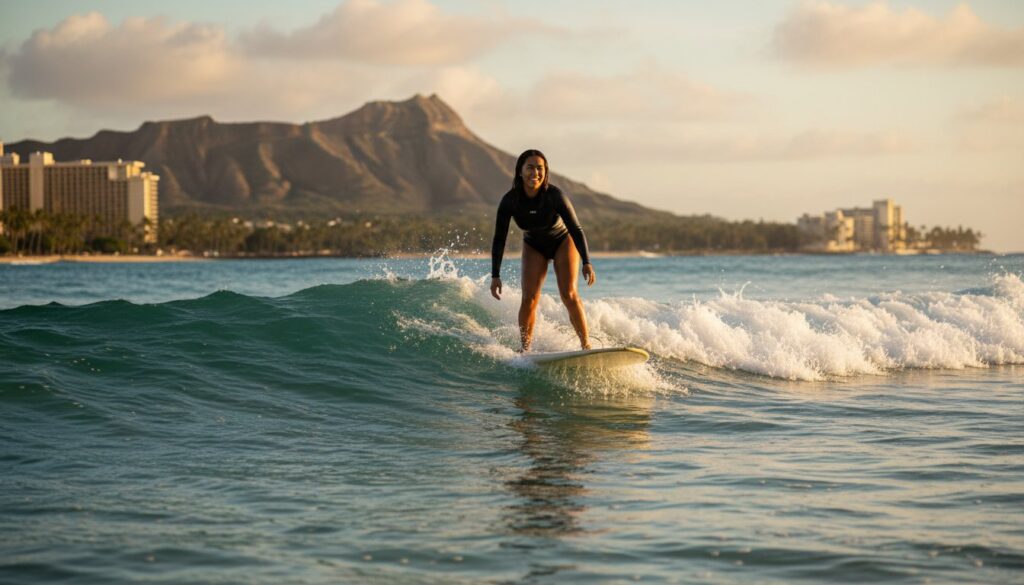
Waikiki surf lessons with foam boards are the go-to choice for anyone who wants to stand up on a surfboard for the first time without unnecessary risk. These lessons pair soft, forgiving boards with patient, certified instructors so beginners of any age can learn the basics of surfing in one of the calmest, most welcoming surf breaks in the world. Because Waikiki’s waves are famously gentle, it has become a natural classroom for first-time surfers from every corner of the globe.
If you’re planning a trip to Oahu, however, it helps to understand exactly what these lessons involve, why foam boards matter, and how to choose the right program. This guide walks through everything from the mechanics of a typical lesson to safety considerations, so you can book with confidence.
What Are Waikiki Surf Lessons with Foam Boards?
Waikiki surf lessons with foam boards are guided ocean sessions that use soft-top surfboards, rather than traditional hard fiberglass boards, to teach beginners how to paddle, balance, and ride waves safely. The softer material reduces the risk of injury, which is why nearly every surf school in Waikiki relies on foam boards for first-timers.
In practice, these lessons combine short on-land coaching with real time in the water. Instructors typically explain balance, timing, and etiquette before anyone paddles out. As a result, students arrive at the wave already familiar with the motions they’ll need, which speeds up learning considerably.
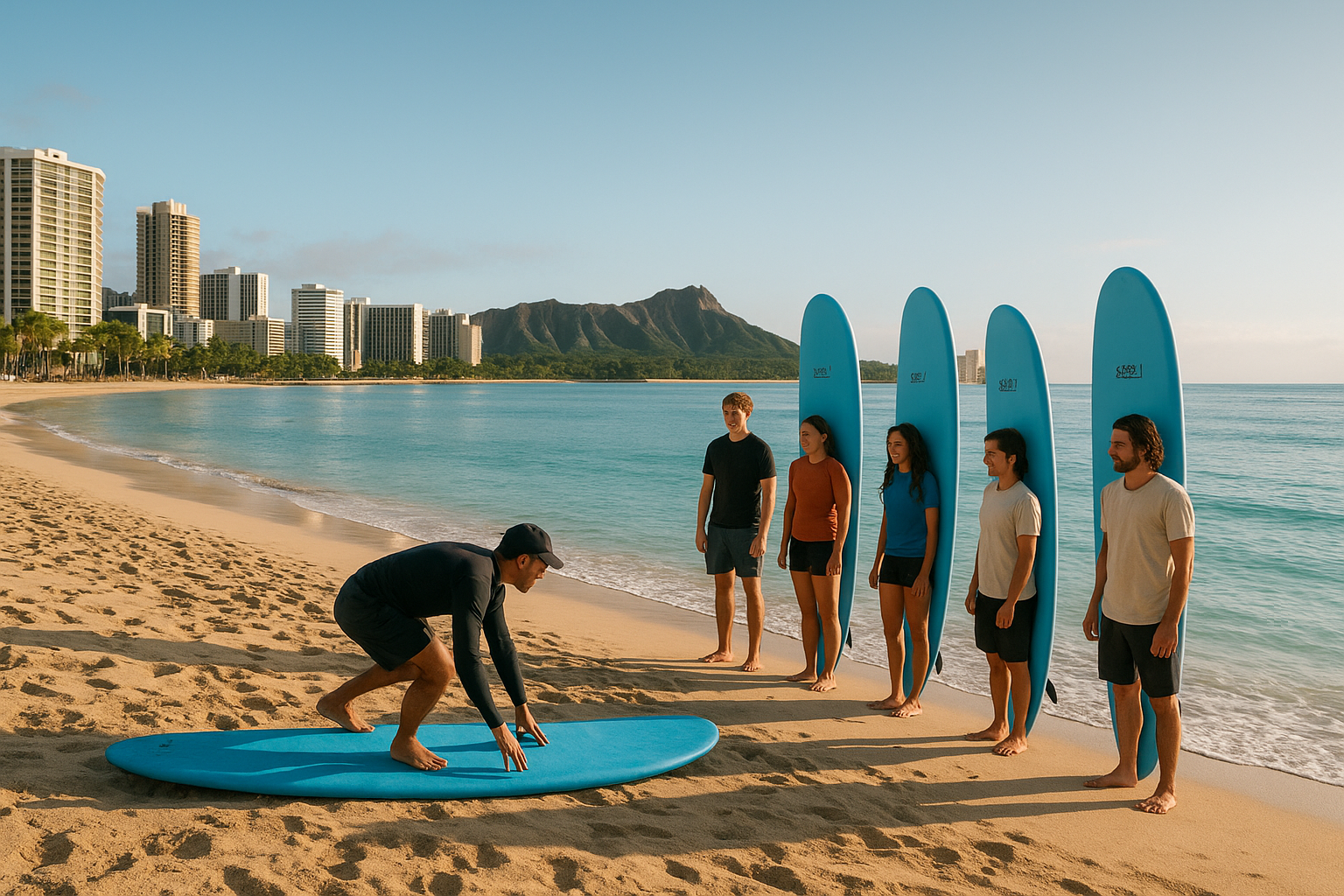
A beginner-friendly setup is central to Waikiki surf lessons with foam boards.
Why Beginners Choose Foam Surfboards in Waikiki
Foam boards, sometimes called soft-top boards, are wider, thicker, and more buoyant than performance boards. Consequently, they float higher and catch waves more easily, which matters enormously for someone who has never stood on a moving surface in open water before.
In addition, the soft deck and fins reduce the chance of cuts or bruises if a board bumps into a rider. This safety advantage is one reason the sport of surfing has become far more accessible to casual vacationers over the past few decades.
Waikiki’s surf conditions amplify these benefits. According to the National Weather Service’s Honolulu forecast office, Waikiki’s reef-protected breaks typically produce waves of just 1 to 3 feet, which is precisely the range foam boards perform best in. Therefore, pairing the right equipment with the right beach creates an unusually forgiving learning environment.
What to Expect During a Waikiki Surfing Lesson
A typical Waikiki surfing lesson begins on the sand, where instructors cover paddling form, wave reading, and the all-important pop-up motion. Students practice standing on the board while it’s still on dry land, which builds muscle memory before anything moves underneath them.
From there, the group wades into shallow whitewash together. Instructors often push each board into position at exactly the right moment, giving beginners their best possible chance of catching a wave on the first few attempts. Meanwhile, coaches stay close by to offer corrections and encouragement.
For travelers deciding where to book, resources like the guide to finding the best surf instruction in Waikiki can help compare group sizes, instructor credentials, and included equipment before committing to a school.
Step-by-Step: How Foam Board Surf Lessons Work
Although every school has its own style, most Waikiki surf lessons with foam boards follow a similar sequence. Understanding this flow in advance helps first-timers feel more prepared on lesson day.
- Land-based orientation: The instructor explains board layout, paddling posture, and the pop-up motion while standing on the sand.
- Paddle out together: The group wades into shallow water and paddles to a safe spot in the gentle whitewash near shore.
- Catch your first wave: With a timed push from the instructor, each student paddles hard and pops up into a surfing stance.
- Repeat and refine technique: Students take several more attempts, receiving feedback on balance and foot placement each time.
- Cool down and review: The lesson ends back on the beach with tips for continuing to practice on future visits.
Notably, most beginners catch at least one full wave within their first 90-minute session. This quick success is precisely why foam boards remain the standard teaching tool across nearly every reputable school in Hawaii.
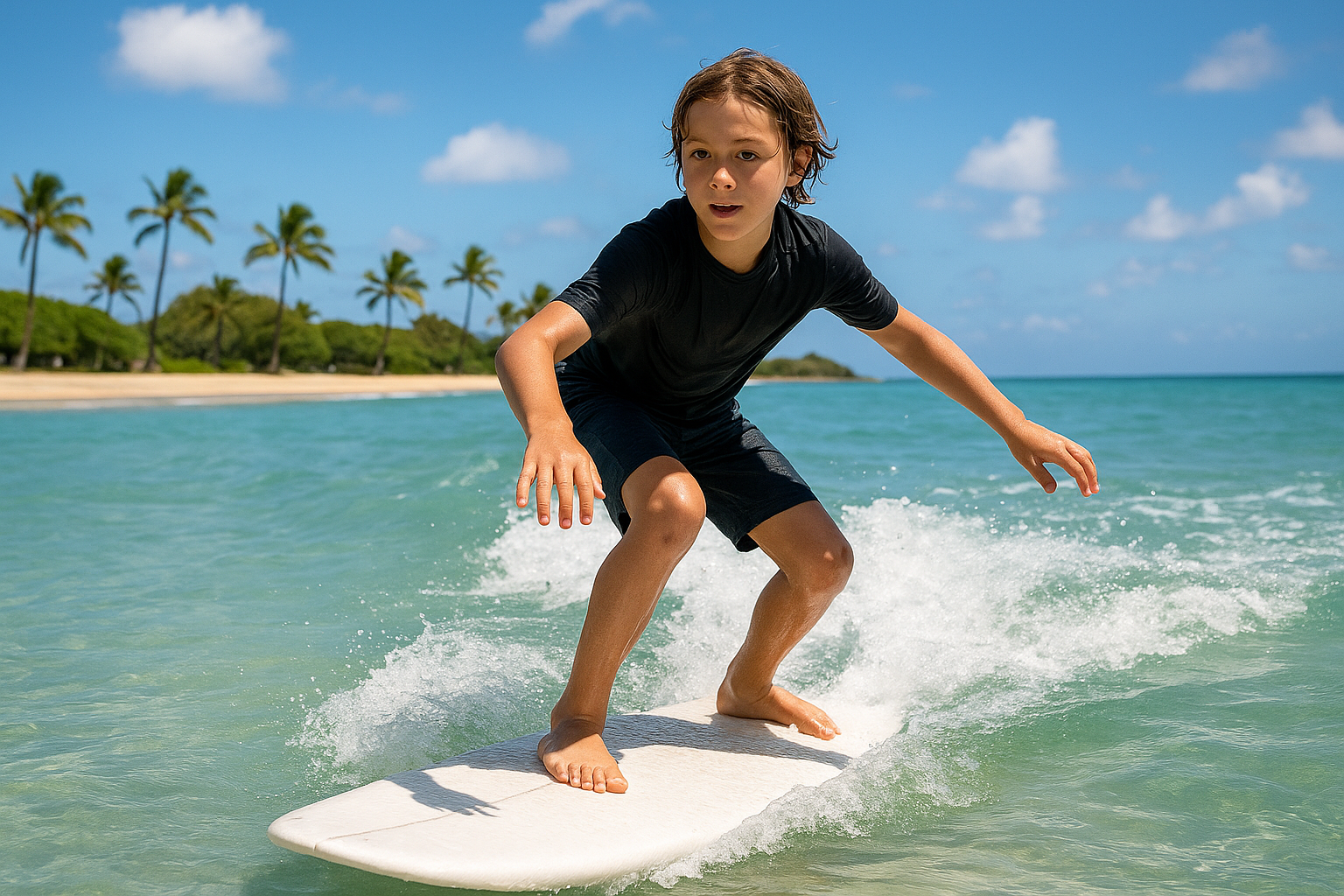
Catching the first small whitewash wave is often the highlight of a lesson.
Choosing the Right Surf School in Waikiki
With dozens of operators lining Waikiki Beach, choosing a surf school can feel overwhelming. However, a few factors consistently separate great programs from mediocre ones: small group sizes, certified instructors, and equipment that’s well maintained.
Star Beachboys, for example, focuses specifically on personalized, progressive coaching for everyone from nervous first-timers to intermediate surfers polishing their technique. Because the team is based directly in Waikiki, instructors know exactly which breaks suit beginners on any given day.
Travelers who also want to practice independently between lessons can explore options like Waikiki surfboard rentals or check where to rent surfboards for lessons in Waikiki to keep equipment handy throughout a trip.
Foam Boards vs. Hard Boards: Which Is Right for You?
Foam boards and hard fiberglass boards serve different purposes. Foam boards prioritize stability and forgiveness, making them ideal for beginners still learning balance. Hard boards, in contrast, are thinner and more responsive, which rewards experienced surfers who can already pop up consistently.
For this reason, most schools transition students from foam to hard boards only after they can comfortably catch and ride several waves in a row. Rushing this transition often leads to frustration rather than progress.
Anyone curious about longer-term equipment options can review the full breakdown on renting and learning to ride waves in Waikiki before deciding which board type fits their current skill level.
Safety Tips for Waikiki Surf Lessons
Even in calm Waikiki surf, a few habits make a real difference. First, always wear reef-safe sunscreen, since ordinary sunscreen can harm coral reefs and marine life. Second, listen closely to your instructor’s wave-timing cues rather than paddling on your own.
Furthermore, staying hydrated and pacing yourself matters more than most beginners expect, since paddling is surprisingly tiring. Finally, always ask about current ocean conditions; Hawaii’s lifeguard and ocean safety programs post daily advisories that reputable schools check before every session.
Surfing has deep roots in Hawaiian culture, famously popularized worldwide by Olympic swimmer Duke Kahanamoku. Respecting the ocean and local etiquette honors that heritage while keeping everyone safer in the water.
Frequently Asked Questions About Waikiki Surf Lessons with Foam Boards
What are Waikiki surf lessons with foam boards?
Waikiki surf lessons with foam boards are guided surf sessions that use soft, buoyant soft-top boards instead of hard fiberglass boards to help beginners learn safely. Instructors lead students into Waikiki’s gentle breaks and coach proper paddling, balance, and standing technique.
How long does a Waikiki surf lesson take?
Most group lessons run about 90 minutes, while private lessons can be tailored to run slightly longer. This includes time on the sand learning basics before paddling out.
Do I need surfing experience to take a foam board lesson?
No prior experience is needed; foam board lessons are designed specifically for complete beginners. Instructors start with land-based instruction so every student understands the basics before entering the water.
Why do surf schools use foam boards instead of hard boards for beginners?
Foam boards are softer, more buoyant, and far less likely to cause injury during falls or collisions. Their extra stability also makes it easier for first-time surfers to stand up and catch waves consistently.
How much do Waikiki surf lessons with foam boards cost?
Group lessons typically range from roughly $75 to $120 per person, while private lessons cost more due to one-on-one attention. Exact pricing varies by school, group size, and lesson length.
What age can kids start foam board surf lessons in Waikiki?
Many surf schools welcome children as young as five or six years old for foam board lessons, provided they are comfortable in the water. Family-friendly group lessons are common in Waikiki because of its calm, shallow surf.
What should I wear to a Waikiki surfing lesson?
A swimsuit or rash guard with secure board shorts works best, since loose clothing can catch water and slow you down. Reef-safe sunscreen is also strongly recommended before heading out.
How many people are typically in a group lesson?
Group lessons usually include four to eight students per instructor, which keeps coaching personal while still being affordable. Private lessons are available for travelers who want one-on-one coaching.
Is it safe to learn to surf in Waikiki?
Yes, Waikiki is considered one of the safest places in the world to learn to surf because of its slow-breaking, low-intensity waves. Certified instructors also monitor conditions and stay close to beginners throughout the lesson.
What’s the best time of year for surf lessons in Waikiki?
Waikiki offers beginner-friendly waves nearly year-round, though summer months from May through September tend to bring the calmest conditions. Winter can occasionally bring larger south-facing swells, so mornings are usually best.
Can I rent a foam board without taking a lesson?
Yes, many Waikiki rental shops offer foam board rentals for experienced beginners who prefer to practice independently. However, first-timers generally progress faster and stay safer with professional instruction first.
What’s the most common mistake beginners make on foam boards?
The most common mistake is standing up too quickly without establishing balance on the board first. Instructors typically correct this by coaching a slow, controlled pop-up motion during land practice.
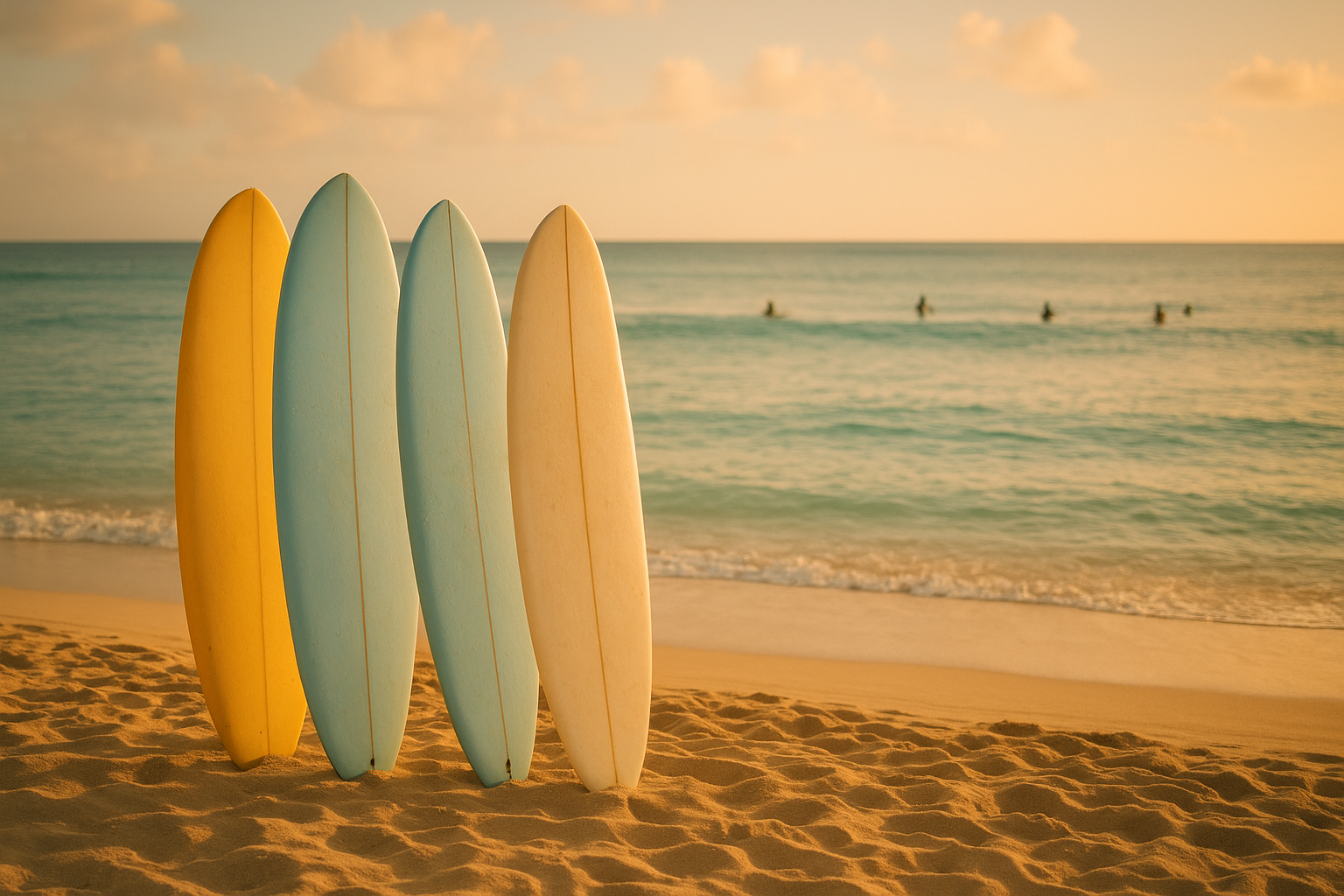
Foam boards lined up on the sand, ready for the next Waikiki surf lesson.
Final Thoughts on Learning to Surf in Waikiki
In the end, Waikiki surf lessons with foam boards remain one of the most reliable ways to experience the ocean safely, whether you’re a nervous first-timer or a parent introducing kids to the sport. The combination of gentle waves, forgiving equipment, and patient instruction creates an environment where almost anyone can stand up and ride a wave within a single session.
Before booking, take time to compare schools, ask about group sizes, and confirm equipment quality. For a trusted option in Waikiki, you can explore Waikiki surf lessons directly through Star Beachboys, where experienced instructors specialize in guiding beginners safely through their very first waves.