Waikiki surf instruction for seniors exists for one simple reason: older adults deserve a real chance to catch a wave without being rushed through a drill built for fit twenty-somethings. Instead of crowded group classes and fast-paced coaching, senior-focused programs slow everything down, use wider and more buoyant boards, and pair each student with an instructor who genuinely understands how an aging body moves, balances, and recovers. As a result, a 65-year-old first-timer and an 80-year-old returning surfer can both stand up, feel steady, and leave the water smiling instead of shaken.
Quick Answer
Waikiki surf instruction for seniors means small-group or private lessons held in Waikiki’s calm, shallow reef breaks, led by patient, certified instructors who use oversized stable boards, slower pacing, and hands-on physical support so older beginners can safely learn to stand up and ride a wave without strain or fear.
What Is Waikiki Surf Instruction for Seniors?
At its core, Waikiki surf instruction for seniors is a deliberately modified version of standard beginner coaching. Instructors choose longer, wider boards for better flotation and stability, and they cap each session at just a handful of students so nobody gets lost in the shuffle. Consequently, older adults are never rushed through the same drills used for teenagers or athletic young travelers chasing a quick thrill.
In addition, a well-run senior session always starts with a thorough land-based warm-up. This loosens hips, shoulders, and knees before anyone touches the water, which meaningfully lowers the chance of a muscle pull or awkward fall. For a deeper breakdown of what a senior-specific safety program should include, this Oahu senior surf safety guide is worth reading before you book.
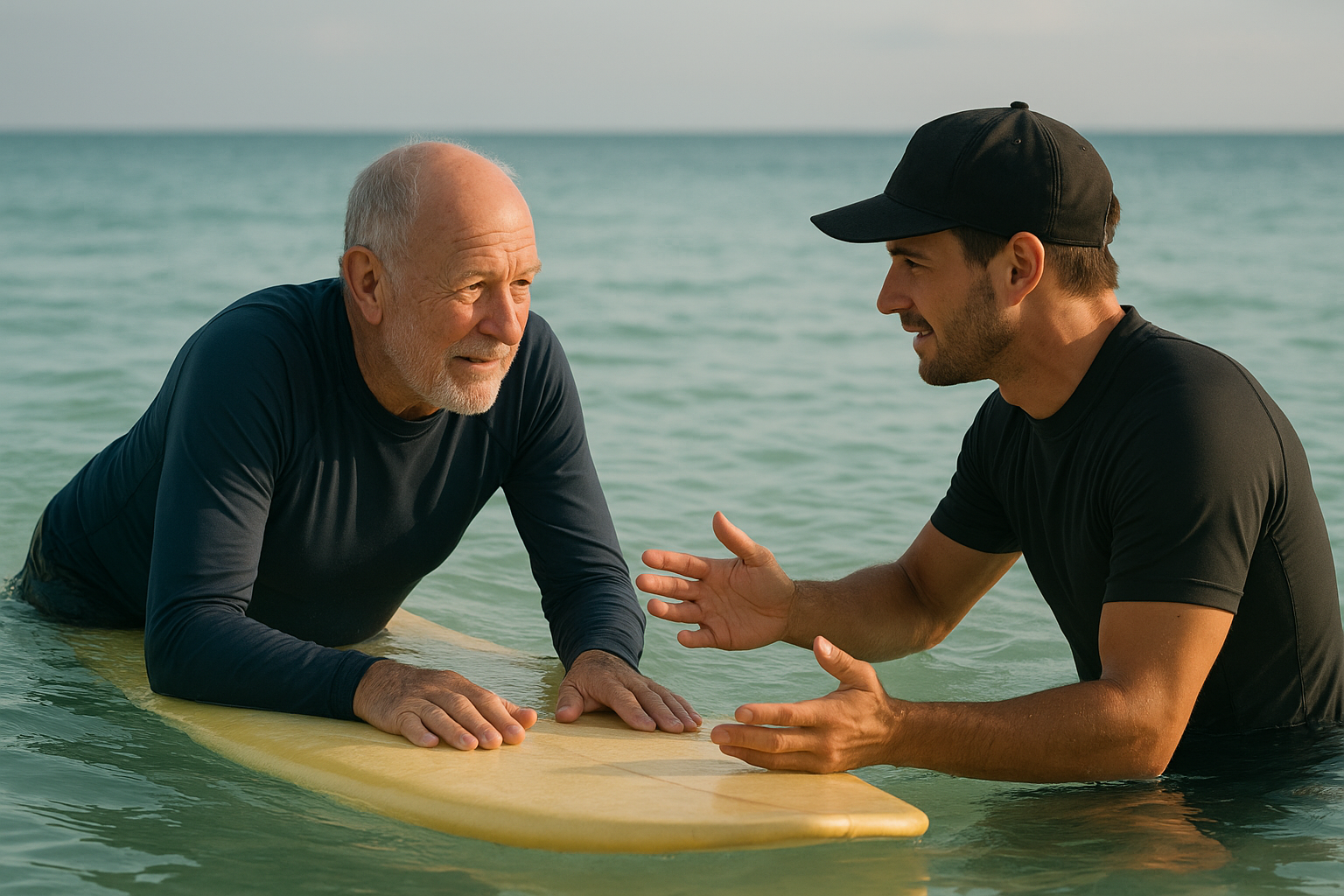
Waikiki surf instruction for seniors focuses on calm water, patient coaching, and steady physical support.
Why Waikiki Is the Best Place for Senior Surf Lessons
Waikiki’s gentle, reef-protected breaks explain why the area draws so many older first-time surfers every single year. Unlike open-ocean beaches with fast, unpredictable swells, Waikiki’s inner reef slows waves down well before they ever reach the shore. Therefore, students get more time to react, paddle, and pop up without ever feeling overwhelmed by a wall of whitewater.
Furthermore, the warm, year-round water temperature means seniors never need a restrictive wetsuit that limits shoulder and hip mobility. According to the Wikipedia entry on surfing, wave size and consistency are the two biggest factors in how approachable any break is for a beginner, and Waikiki consistently ranks among the friendliest breaks on the planet for that exact reason. To compare different lesson formats available in the area, this overview of Waikiki surf lessons is a smart starting point.
Specifically, the stretch between Kuhio Beach and Queens is almost always the calmest section of Waikiki, which is exactly why most senior-focused instructors choose it as their default teaching zone over livelier, more current-prone spots farther down the coast.
How Senior-Focused Instruction Differs from Resort Surf Schools
Many visitors assume that any surf school attached to a Waikiki hotel will automatically know how to teach an older beginner. In reality, large resort-based programs are usually built around volume — fitting as many guests as possible into a standard group format with a fixed curriculum. In contrast, a true senior-focused program adjusts the entire lesson structure around the student, not the schedule.
| Feature | Typical Resort Surf School | Senior-Focused Waikiki Instruction |
|---|---|---|
| Group size | 6 to 10 students | 1 to 3 students |
| Pacing | Fixed, time-boxed | Adjusted to fitness and comfort |
| Board type | Standard foam beginner board | Extra-wide, extra-stable board |
| Physical assistance | Minimal, verbal cues only | Hands-on push and timing support |
Similarly, lessons built for younger thrill-seekers — like our surf lessons for teens in Waikiki — intentionally emphasize speed of progress and bigger waves. Senior instruction flips that priority entirely, favoring confidence, comfort, and repetition over how quickly a student advances.
Safety First: Preparing for Senior-Friendly Surf Lessons
Safety is the top priority in any well-designed senior surf program. Before anyone enters the water, instructors typically ask about medical history, mobility limitations, and comfort level around waves. Consequently, they can tailor the pace of the lesson and choose the calmest section of the break for that specific day’s conditions.
Ocean and beach safety guidance from the National Oceanic and Atmospheric Administration highlights how critical it is to understand local currents, which is exactly why experienced local instructors matter so much. In particular, they know which parts of Waikiki stay calm even when other spots pick up unexpectedly. Above all, a good instructor never pushes a student past their comfort zone, no matter how perfect the conditions look.
How to Book Waikiki Surf Instruction for Seniors: A Step-by-Step Guide
Booking a safe, enjoyable lesson does not have to be complicated. Follow these five steps to get started with confidence.
- Assess your fitness and comfort level in water, and check with your doctor beforehand if you have any heart conditions, joint replacements, or balance concerns.
- Choose a certified surf school offering senior-specific programs with small groups, calm break locations, and instructors trained in hands-on support.
- Schedule your lesson during quiet morning hours when the water is calmest and instructors can focus fully on you rather than a crowded lineup.
- Wear proper sun protection and swimwear, arrive at least fifteen minutes early, and complete any waivers before being fitted with a stable, extra-wide board.
- Follow the instructor’s on-shore safety briefing closely so you fully understand hand signals, wave timing cues, and how to fall safely without straining a joint.
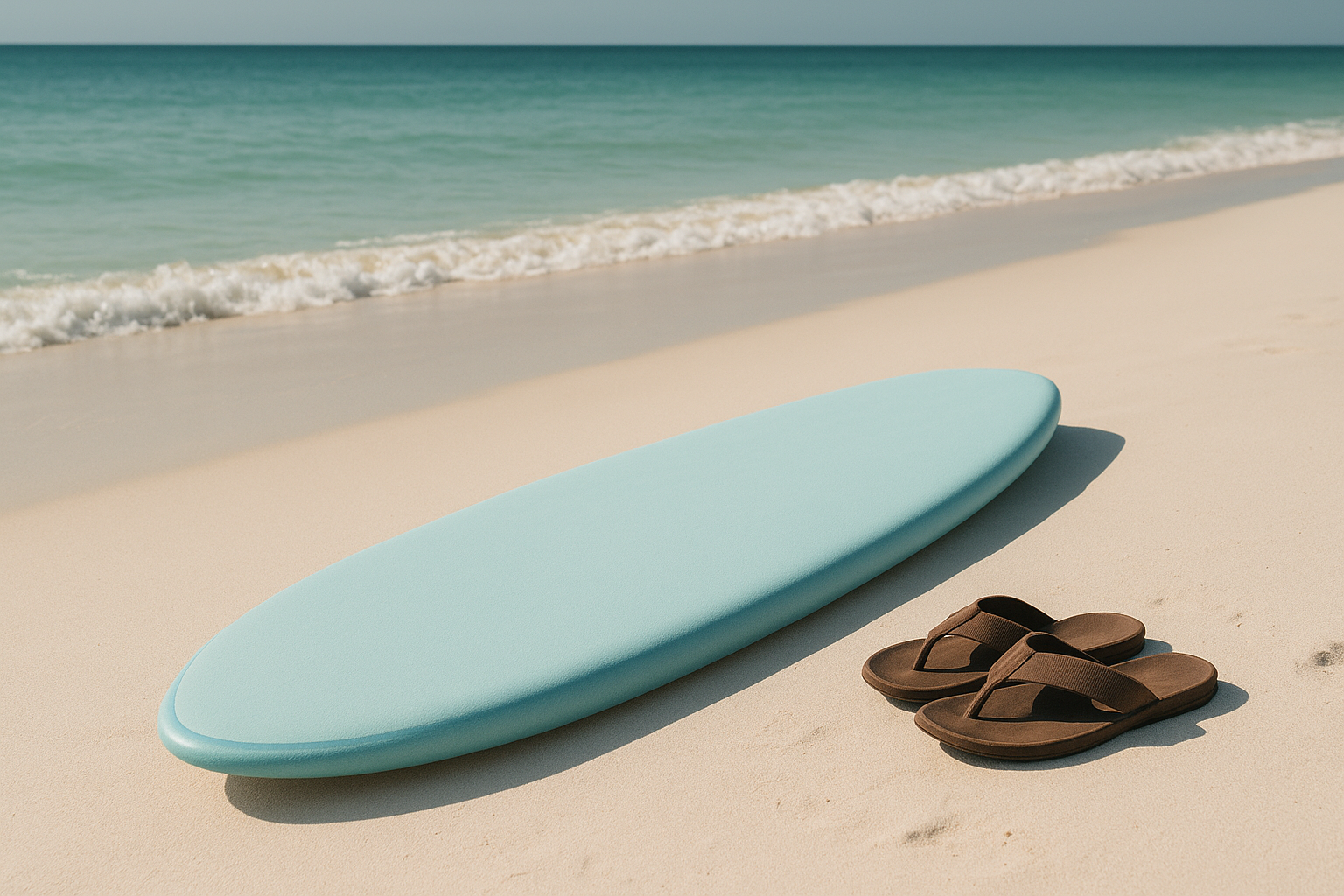
A wide, stable board is a key part of any senior-friendly surf lesson setup.
What to Expect During Your First Senior Surf Lesson
A typical first lesson begins on the sand with a gentle warm-up and a brief explanation of ocean conditions for that day. Instructors then demonstrate how to lie on the board, paddle efficiently, and push up into a standing position without jarring the lower back. Similarly, they walk through proper falling technique, which matters far more for older joints than it does for younger, more flexible bodies.
Once in the water, the instructor usually stays directly beside the board, timing each wave and offering a steady push the moment it matters most. In contrast to fast-paced group classes, this one-on-one rhythm allows plenty of rest between attempts, which keeps fatigue from building up. Many students also find it helpful to browse this guide to finding the right Waikiki surf lesson fit before choosing an instructor.
Health Benefits of Surfing for Older Adults
Beyond the obvious fun factor, surfing offers real physical benefits for older adults. The activity engages core muscles, sharpens balance, and delivers low-impact cardiovascular exercise that does not pound the knees the way running or tennis might. Notably, the Centers for Disease Control and Prevention recommends that adults 65 and older get at least 150 minutes of moderate aerobic activity each week, and a single surf lesson can contribute meaningfully toward that goal.
In addition, the National Institute on Aging notes that balance-focused activity directly reduces fall risk in older adults, and few exercises challenge balance as playfully as standing on a moving surfboard. Beyond physical health, time spent outdoors near the ocean is also linked to reduced stress and improved mood. Therefore, many seniors return home not just with a fun story, but with a genuine boost to their overall well-being. Those interested in browsing more senior-friendly options can explore this collection of Waikiki surf lesson resources.
Accessibility and Accommodations for Limited Mobility
A genuinely senior-friendly program does more than slow the pace — it actively accommodates limited mobility. For example, instructors can reduce paddling distance by launching from shallower water, use tandem assistance for students who need extra stability standing up, and allow a student to ride a wave from a kneeling position instead of standing if that feels safer.
Moreover, students with hip or knee replacements, mild arthritis, or reduced shoulder rotation should mention these details when booking. As a result, the instructor can plan the entire session — board choice, entry point, and wave selection — around what will feel comfortable rather than forcing a one-size-fits-all approach.
Choosing the Right Waikiki Beach for Senior Surf Lessons
Not every stretch of Waikiki is equally calm. Specifically, the Kuhio Beach and Queens Surf area offers the shallowest, most reef-protected water in the district, which is why most senior-focused instructors default to it. In contrast, areas closer to the Ala Wai Boat Harbor channel can carry a mild current that is better suited to more experienced surfers.
- Kuhio Beach / Queens: Shallow, reef-protected, and the top choice for senior-friendly lessons.
- Canoes: Slightly larger waves, better suited to returning surfers who want a bit more challenge.
- Near the Ala Wai Channel: Mild current present; generally best avoided for first-time senior students.
Pricing Guide for Waikiki Surf Instruction for Seniors
Pricing naturally varies based on group size, lesson length, and how much one-on-one attention you want. The table below gives a realistic range so there are no surprises on booking day.
| Lesson Format | Typical Group Size | Approximate Price Per Person |
|---|---|---|
| Small-group senior lesson | 2 to 3 students | $80 to $120 |
| Private one-on-one lesson | 1 student | $150 to $200 |
| Couple or partner lesson | 2 students | $100 to $160 |
Consequently, a private session costs more per person but delivers the most personalized pacing — often the better value for a first-time senior surfer with any health concerns.
Instructor Credentials and the Beach Boy Legacy
Before booking, it is worth asking what certifications an instructor holds. Look for CPR and first-aid training, formal lifeguard or ocean-safety experience, and ideally an ISA (International Surfing Association) coaching credential. These qualifications matter even more for senior students, since an instructor needs to read both the ocean and the student’s body language at the same time.
This hands-on mentorship style actually traces back generations. It echoes the authentic Beach Boy legacy of Waikiki — a century-old tradition of local watermen teaching visitors to surf with patience, storytelling, and genuine aloha, rather than rushing them through a checklist. For seniors in particular, learning from an instructor steeped in that tradition often feels less like a transaction and more like being welcomed into the water by someone who truly wants to see you succeed.
Common Mistakes Senior Surfers Should Avoid
Even with a great instructor, a few avoidable habits can turn a good lesson into an uncomfortable one.
- Skipping the on-shore warm-up, which leaves muscles and joints unprepared for sudden movement.
- Choosing a board that is too small, which makes balance far harder than it needs to be.
- Pushing through fatigue instead of resting between waves, which raises injury risk considerably.
- Forgetting reef-safe sunscreen and sun protection during a session that can run 60 to 90 minutes.
- Not disclosing medical conditions or medications that affect balance, which prevents the instructor from planning properly.
Best Time of Year for Senior Surf Lessons in Waikiki
Generally, the summer months from May through September bring the calmest south-facing swells to Waikiki, making this the gentlest stretch of the year for senior beginners. In contrast, the winter months can occasionally push larger swells into the area, so booking with an instructor who monitors daily conditions matters just as much as picking the right season.
Frequently Asked Questions About Waikiki Surf Instruction for Seniors
What is Waikiki surf instruction for seniors?
Waikiki surf instruction for seniors is a style of beginner-friendly surf coaching designed around the pace, balance needs, and comfort levels of older adults. Lessons take place in Waikiki’s calm, shallow inner reef waters with patient, certified instructors who adapt techniques for each student.
How old do you have to be for senior surf lessons in Waikiki?
There is no strict age cutoff; most senior-focused programs welcome adults from their 50s through their 80s. Instructors simply adjust pacing, board size, and support based on each individual’s fitness and mobility.
Is Waikiki safe for older beginners to learn to surf?
Yes, Waikiki is considered one of the safest places in the world for older beginners because its reef breaks create gentle, slow-rolling waves in shallow water. Certified instructors also stay close by throughout the lesson to assist with balance and timing.
How long does a typical senior surf lesson last?
Most senior surf lessons in Waikiki run between 60 and 90 minutes, including a land-based warm-up and safety briefing. This length allows plenty of rest breaks without overexertion.
What should seniors wear for a surf lesson?
A comfortable swimsuit or rash guard, reef-safe sunscreen, and water shoes are recommended for a senior surf lesson. Bringing a hat and staying hydrated beforehand also helps with sun and heat management.
How much does Waikiki surf instruction for seniors typically cost?
Private and small-group senior surf lessons in Waikiki generally range from around 80 to 200 dollars per person, depending on group size and lesson length. Private one-on-one sessions cost more but offer the most personalized pacing.
What physical fitness level is needed for senior surf lessons?
Basic mobility, the ability to lie flat and push up with your arms, and comfort being in chest-deep water are usually enough. Instructors modify the experience further for students with limited flexibility or stamina.
How does Waikiki surf instruction for seniors differ from standard lessons?
Senior-focused lessons use larger, more stable boards, slower-paced instruction, and extra hands-on support from the instructor compared with standard group classes. The emphasis is on confidence and enjoyment rather than speed of progress.
What are the health benefits of surfing for older adults?
Surfing builds core strength, improves balance, and provides low-impact cardiovascular exercise that supports healthy aging. It also encourages time outdoors, which is linked to better mood and reduced stress.
What common mistakes should senior surfers avoid?
Common mistakes include skipping the on-shore warm-up, choosing a board that is too small, and pushing through fatigue instead of resting between waves. Working with an instructor who understands senior needs helps avoid these issues.
Do I need previous swimming experience for a senior surf lesson?
Basic comfort in the water is helpful, but strong swimming skills are not required since instructors stay close and lessons happen in shallow water. Anyone with concerns should mention them to the instructor before starting.
What time of day is best for senior surf lessons in Waikiki?
Early morning is typically best because the water is calmer, temperatures are cooler, and beaches are less crowded. This makes it easier for instructors to give focused, one-on-one attention.
Can seniors with joint issues or arthritis still surf?
Many seniors with mild joint issues or arthritis can still enjoy surfing when instructors adjust technique, use extra-stable boards, and limit paddling distance. Anyone with significant medical concerns should consult a doctor before booking a lesson.
Can seniors with pacemakers or hearing aids participate in surf lessons?
Seniors with pacemakers should get direct clearance from their cardiologist before any ocean activity, while those with hearing aids typically remove them before entering the water and rely on visual hand signals from the instructor instead.
Is travel insurance recommended for senior surf lessons in Hawaii?
Travel insurance that covers adventure activities is a sensible precaution for any senior planning a surf lesson, since it can offset costs related to minor injuries, trip delays, or medical consultations during a Hawaii vacation.
Can a spouse or caregiver watch from the beach during the lesson?
Yes, family members and caregivers are welcome to watch from the sand, and many instructors encourage it since a familiar face nearby often helps a nervous first-time senior surfer relax.
What is the best time of year to book senior surf lessons in Waikiki?
Summer, from roughly May through September, offers the calmest and most consistent conditions for senior-friendly surf lessons, though a qualified instructor can find a safe window almost any time of year.
How do I book Waikiki surf instruction for seniors?
You can book a senior-friendly surf lesson directly through a local Waikiki surf school’s website, such as Star Beachboys, or by contacting them to request an age-appropriate, small-group or private session. Booking a few days ahead helps secure preferred morning time slots.

Confidence grows quickly with patient, senior-focused surf coaching in Waikiki.
Final Thoughts on Waikiki Surf Instruction for Seniors
Ultimately, Waikiki surf instruction for seniors proves that age is not a barrier to trying one of the world’s most rewarding water sports. With calm reef breaks, patient certified instructors, stable boards, and lesson formats built around comfort and safety, older adults can paddle out with confidence rather than hesitation. Whether it is a first-time bucket-list moment or a return to a sport enjoyed decades earlier, the right instructor and the right conditions make all the difference. For anyone ready to plan a session, visiting starbeachboys.com is a practical next step toward a safe, memorable day in the water.