Surfboard maintenance workshops Hawaii programs give surfers of every level the hands-on skills needed to repair dings, wax boards properly, and extend the life of their equipment. Whether you rent a board for a week or own one you’ve ridden for years, however, understanding basic board care matters just as much as understanding wave etiquette. In this guide, we’ll explore what these workshops cover, why they matter, and how to find one that fits your skill level near Waikiki and beyond, including suggestions for related water gear like snorkel sets.
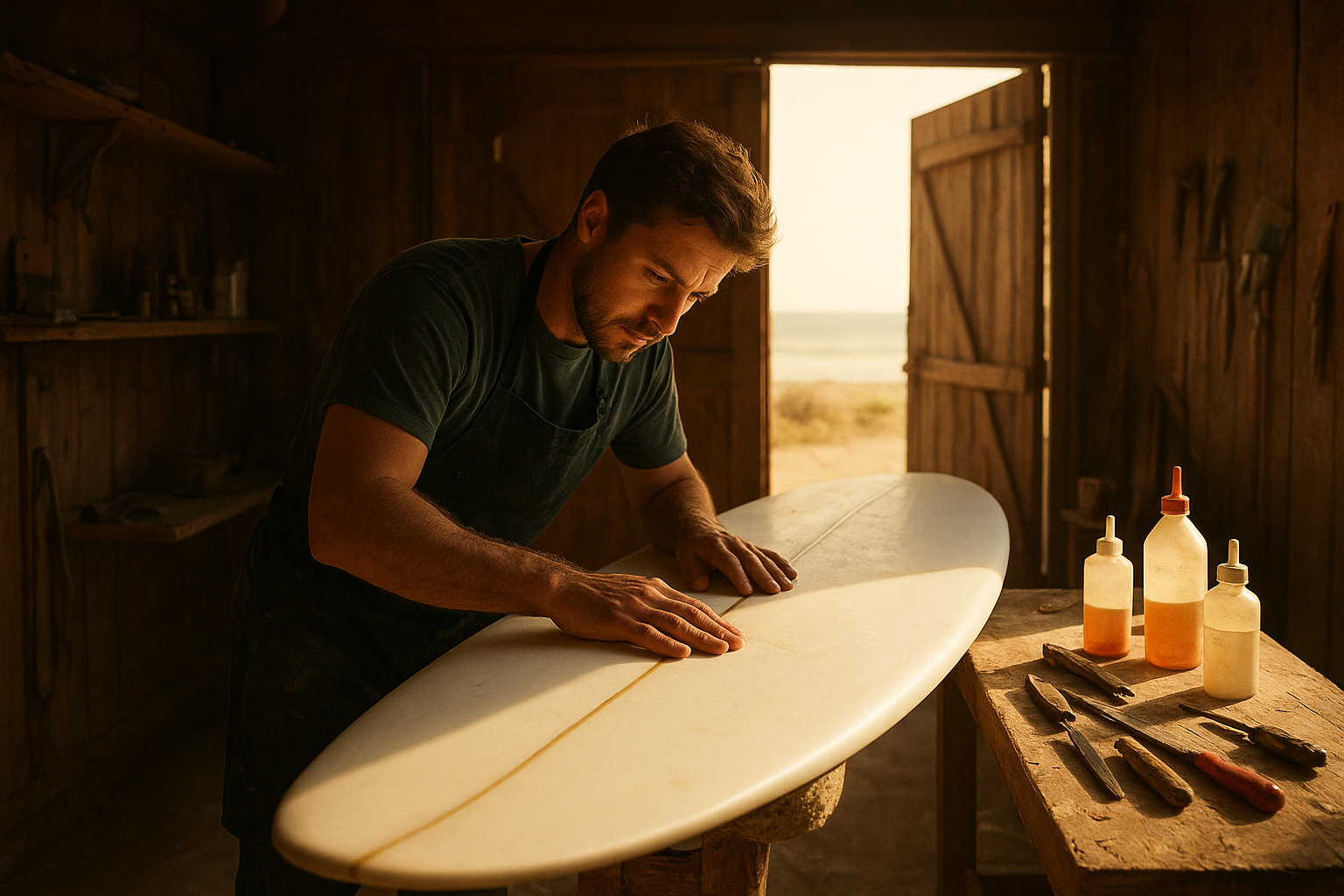
Hands-on inspection is the first step taught in most surfboard maintenance workshops Hawaii shops offer.
What Is a Surfboard Maintenance Workshop in Hawaii?
Direct answer: Surfboard maintenance workshops Hawaii offer are short, hands-on classes where surf instructors teach participants how to clean, repair, and store surfboards correctly. Sessions typically last 60 to 90 minutes and cover ding repair, waxing, and fin care.
These classes exist because boards take a beating in tropical water. As a result, many surf schools now pair riding lessons with practical maintenance education. Participants leave knowing how to patch a small crack, apply wax correctly, and check for hidden water damage before it worsens.
Why Surfboard Care Matters on Hawaii’s Reefs and Beaches
Hawaii’s warm, sunny climate is ideal for surfing, but it’s tough on equipment. Specifically, intense UV rays break down polyurethane foam cores over time, while reef contact causes frequent dings. According to the National Oceanic and Atmospheric Administration, ocean water temperatures around the islands stay near 75 to 82°F year-round, which means boards are exposed to constant moisture and heat with little downtime to dry out.
Consequently, a board left untreated for even a few weeks can develop soft spots or delamination, where the fiberglass separates from the foam. In contrast, boards that receive regular attention last significantly longer and perform better in the water. This is exactly why surfboard maintenance workshops Hawaii shops run have become popular among both vacationers and residents.
What Surfboard Repair Classes Typically Cover
Most surfboard repair classes follow a similar structure. First, instructors explain how to identify different types of damage, such as pressure dings, cracks, or delamination. Then, participants practice sanding, applying resin, and finishing repairs on demo boards.
In addition to repair skills, many workshops touch on fin maintenance, leash inspection, and antislip board protectors. Some sessions, particularly those offered alongside pro surf coaching in Hawaii, also include tips on choosing the right wax for water temperature and board type. Above all, the goal is to make participants comfortable performing basic upkeep on their own.
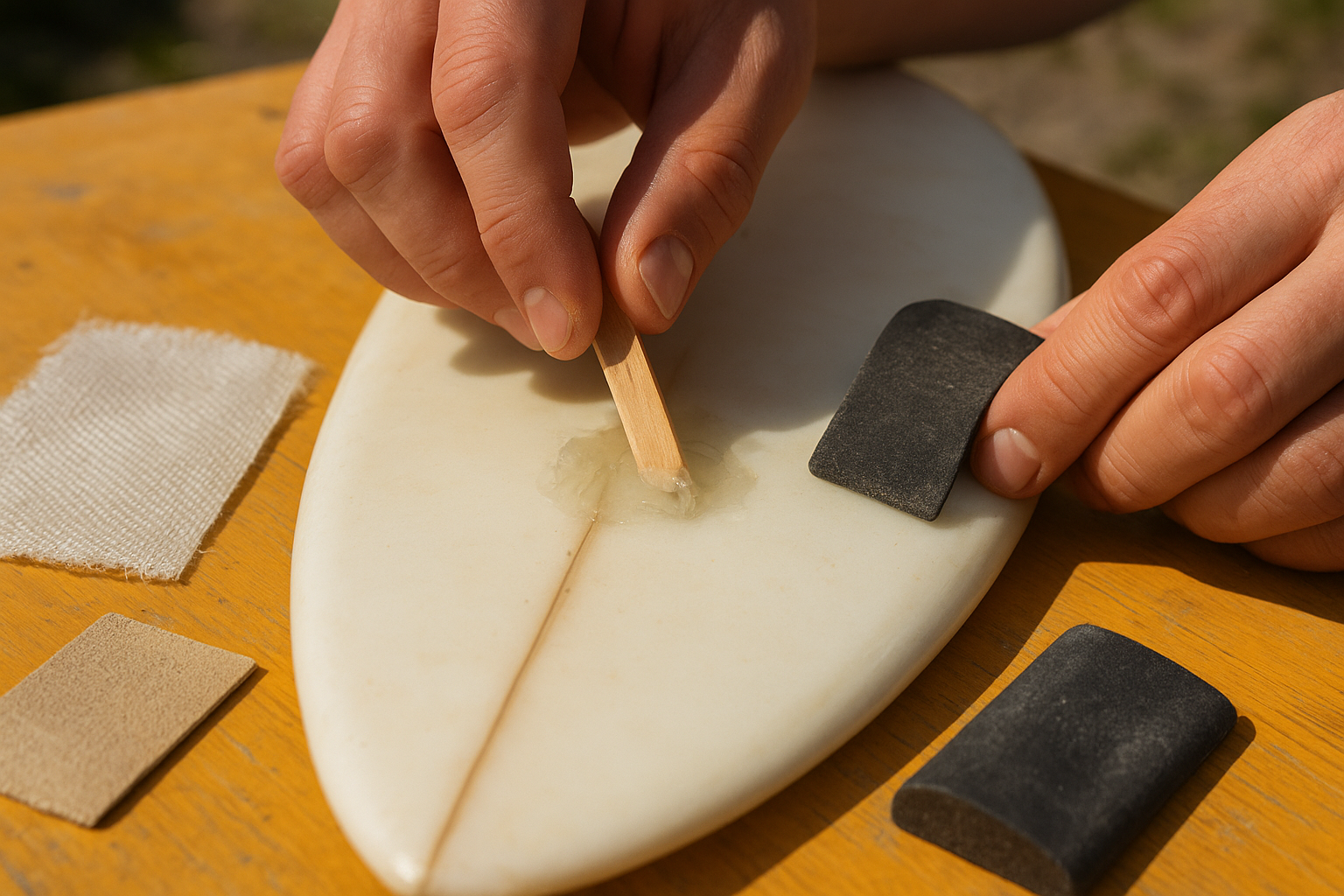
Applying resin correctly is one of the most requested skills in surfboard repair classes.
How to Maintain Your Surfboard: A Step-by-Step Process
Whether you attend a formal class or practice at home, the core maintenance process stays consistent. Below is the general workflow taught in most sessions.
- Rinse and inspect. Rinse the board with fresh water after every session to remove salt and sand before it hardens on the surface.
- Dry completely. Let the board dry in a shaded spot, since direct sunlight can weaken the foam core over time.
- Check for dings and cracks. Run your hand along the deck and bottom to feel for soft spots or discoloration.
- Sand the damaged area. Lightly sand around any ding to prepare a clean surface for repair material.
- Apply resin or repair compound. Spread epoxy or polyester resin evenly to match the board’s original shape.
- Cure, sand smooth, and wax. Once cured, sand the patch flush and apply a fresh coat of wax before your next surf.
Finding the Best Surfboard Maintenance Workshops Hawaii Has to Offer
Finding surfboard maintenance workshops Hawaii visitors trust usually starts with the same surf schools that offer riding lessons. Many shops near Waikiki bundle a short maintenance session into their surf lessons in Hawaii programs, so newcomers learn both riding and repair basics together.
For instance, students progressing through intermediate surfing classes in Hawaii often benefit from a dedicated maintenance session, since they’re riding more frequently and putting more wear on their boards. If you’d rather explore options directly, starbeachboys.com offers instructor-led sessions alongside its standard lesson packages, drawing on years of coastal surf instruction experience.
Surfboard Maintenance Workshops vs. Renting a Ready-to-Ride Board
Some visitors wonder whether learning board care is even necessary if they’re only renting equipment for a short trip. In that case, rental shops usually handle repairs themselves, as outlined in most surfboard rental agreements. Similarly, guides like the Waikiki surfboard rental guide explain what renters are and aren’t responsible for.
However, anyone who plans to surf regularly, owns a personal board, or simply wants a deeper connection to the sport benefits from attending a workshop. Therefore, it’s less about necessity and more about building confidence and independence in the water.
Common Surfboard Maintenance Mistakes to Avoid
Even well-meaning surfers make avoidable errors. For example, leaving a board in a hot car trunk can cause the foam to bubble or warp within minutes. Similarly, ignoring a small ding often leads to bigger, more expensive repairs down the line, since water seeps deeper into the core each time the board hits the water.
- Skipping the rinse after saltwater sessions
- Storing boards in direct sunlight or hot vehicles
- Using the wrong wax for the water temperature
- Delaying repairs on small cracks or dings

Proper drying and storage prevent much of the damage covered in surfboard maintenance workshops.
Frequently Asked Questions About Surfboard Maintenance Workshops Hawaii
What are surfboard maintenance workshops Hawaii instructors teach?
Surfboard maintenance workshops Hawaii instructors teach ding repair, wax application, and proper board storage. Most sessions also cover fin care and how to spot early signs of delamination.
How long does a typical surfboard maintenance workshop take?
Most workshops run between 60 and 90 minutes. This is usually enough time to cover cleaning, minor repairs, and waxing techniques hands-on.
Do I need to bring my own surfboard to a workshop?
No, most Hawaii surf shops provide practice boards or demo dings for participants to work on. If you own a board with existing damage, however, you can often bring it along for a real repair.
How much do surfboard maintenance workshops in Hawaii cost?
Prices generally range from $40 to $100 per person, depending on group size and whether materials are included. Private one-on-one sessions typically cost more than group classes.
Why is surfboard maintenance important in Hawaii specifically?
Hawaii’s reef breaks, strong UV exposure, and warm water temperatures accelerate wear on foam and fiberglass boards. Consistent maintenance helps prevent water absorption and structural damage.
What is the difference between a ding repair and a full board restoration?
A ding repair fixes a small crack or puncture in the board’s surface, usually with resin and sanding. A full restoration addresses larger structural issues, deep delamination, or multiple repairs at once.
Can beginners attend surfboard maintenance workshops?
Yes, most workshops welcome complete beginners alongside experienced surfers. Instructors typically adjust the pace and complexity based on the group’s skill level.
What tools are commonly used in surfboard repair classes?
Common tools include sandpaper, epoxy or polyester resin, fiberglass cloth, a heat gun, and surf wax. Workshops usually supply these items so participants don’t need to purchase anything in advance.
How often should a surfboard be waxed?
Surfboards generally need rewaxing every one to two weeks with regular use, or sooner if the wax feels slick. Applying a base coat first helps the top coat last longer.
What is the biggest mistake surfers make with board maintenance?
The most common mistake is ignoring small dings until water seeps into the foam core. Left untreated, even a tiny crack can lead to costly delamination over time.
Are surfboard maintenance workshops different from surf lessons?
Yes, surf lessons focus on riding waves and technique in the water, while maintenance workshops focus on board care on land. Many surf schools in Hawaii offer both as complementary programs.
Where can I find surfboard maintenance workshops Hawaii locals recommend?
Local surf schools, board rental shops, and community surf clubs near Waikiki and the North Shore often host these workshops. Checking directly with established surf schools, such as those referenced at starbeachboys.com, is usually the fastest way to find upcoming sessions.
How long does a typical surfboard repair take to cure?
Epoxy resin repairs usually cure within 24 hours, while polyester resin can take slightly longer in humid conditions. Full sun exposure often speeds up curing time significantly.
Final Thoughts
In the end, surfboard maintenance workshops Hawaii schools provide are a practical investment for anyone spending real time in the water. They teach skills that save money, extend equipment life, and build a deeper understanding of the sport. For further background on surfboard construction and materials, the Wikipedia entry on surfboards offers useful context, while the NOAA National Ocean Service provides helpful background on the ocean conditions that affect equipment wear. You can also check the International Surfing Association for broader standards on surf education. Additionally, see related gear options like anti-fog snorkel glass for other water activities.