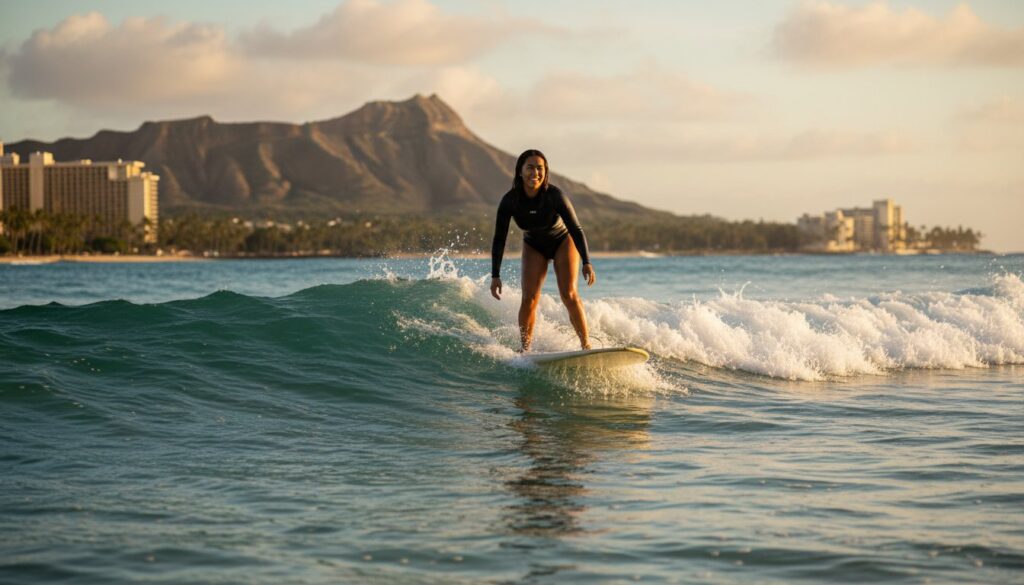
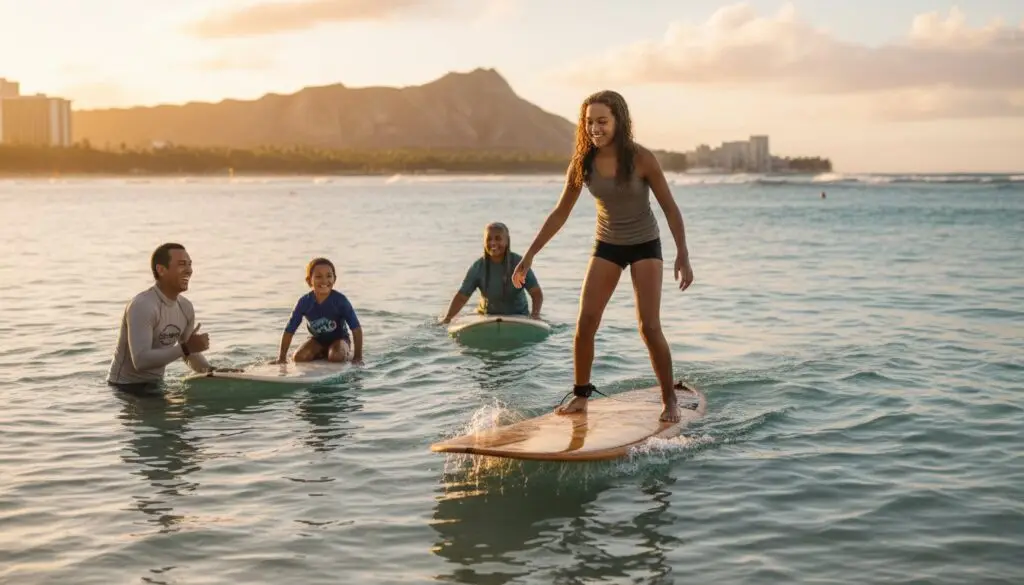
Typing surfboard rentals near me into your phone while standing on Waikiki Beach is exactly how most first-time renters start their search, and you are in good company — thousands of visitors and Oahu locals search this same phrase every month. Surfboard rentals near me is one of the most common queries among beginner and intermediate surfers who want to paddle out without committing to buying their own gear. Whether you are staying steps from the sand or arriving from another part of Oahu, finding a nearby shop with well-maintained boards and knowledgeable staff makes all the difference between a frustrating session and a great one. Below, this guide breaks down exactly what to expect, how much you will likely pay, where the boards are actually located, and why Star Beach Boys has become a trusted choice for renters along Waikiki Beach. Last updated: 2026. By Star Beach Boys.
Quick answer: Surfboard rentals near me are local surf shops or beach-based schools that let you rent a board by the hour, day, or week — often with sizing help, hotel delivery, and optional lesson add-ons included right on-site.

Finding surfboard rentals near me often starts with spotting rent surfboards in Waikiki or a well-stocked beachfront rack like this one.
What Are Surfboard Rentals Near Me?
Surfboard rentals near me refers to local shops or surf schools that rent surfboards — a foam or fiberglass board (a flat, buoyant platform used to catch and ride ocean swells) — by the hour, day, or week to visitors and residents who don’t own their own gear. These rentals typically include sizing guidance and, at many locations, optional lessons for beginners. In Waikiki specifically, most rental counters sit directly on or a short walk from the beach, so access is never the problem.
As a result, you can land at your hotel, walk down to the sand, and be paddling out within the hour. Furthermore, because staff see the daily surf conditions firsthand, they can steer you toward a board that suits both your skill level and that day’s wave size — something a generic online listing simply cannot do.
Why Waikiki Beach Is the Best Place to Find a Surfboard Rental Nearby
Waikiki has long been considered one of the world’s most beginner-friendly surf spots, thanks to its gentle, rolling waves and sandy bottom. According to the history of Waikiki, the area has attracted surfers for well over a century, which is part of why so many rental shops and schools operate here today.
In addition, Hawaii’s tourism volume supports a dense concentration of rental options. Hawaii welcomes millions of visitors every year, according to the Hawaii Tourism Authority, and a large share head straight to Waikiki Beach for their first surf lesson. Consequently, competition among nearby shops tends to keep rental pricing reasonable and service quality high — a dynamic that benefits anyone searching for surfboard rentals near me rather than committing to one distant, unfamiliar shop.
For a closer look at neighborhood-specific options, this Waikiki surfboard rental guide breaks down exactly where boards are available along the beach, and this companion resource on the best Waikiki rental options for 2026 compares seasonal availability in more depth.
Types of Surfboards Available for Rent Nearby
Not every rental board is the same, so it helps to know your options before you arrive. Specifically, most shops near Waikiki carry a handful of core board styles suited to different experience levels.
- Soft-top longboards: Foam-covered, stable, and forgiving — ideal for first-timers and kids.
- Funboards: A shorter, rounder shape that bridges the gap between beginner and intermediate ability.
- Hard-top shortboards: Fiberglass or epoxy boards for confident surfers who want speed and maneuverability.
- Stand-up paddleboards (SUP): Often available at the same counters for a different, lower-intensity ocean experience.
Similarly, if you’re unsure which type fits your goals, the option to rent a board and take a lesson together lets an instructor make that call for you rather than guessing on your own.
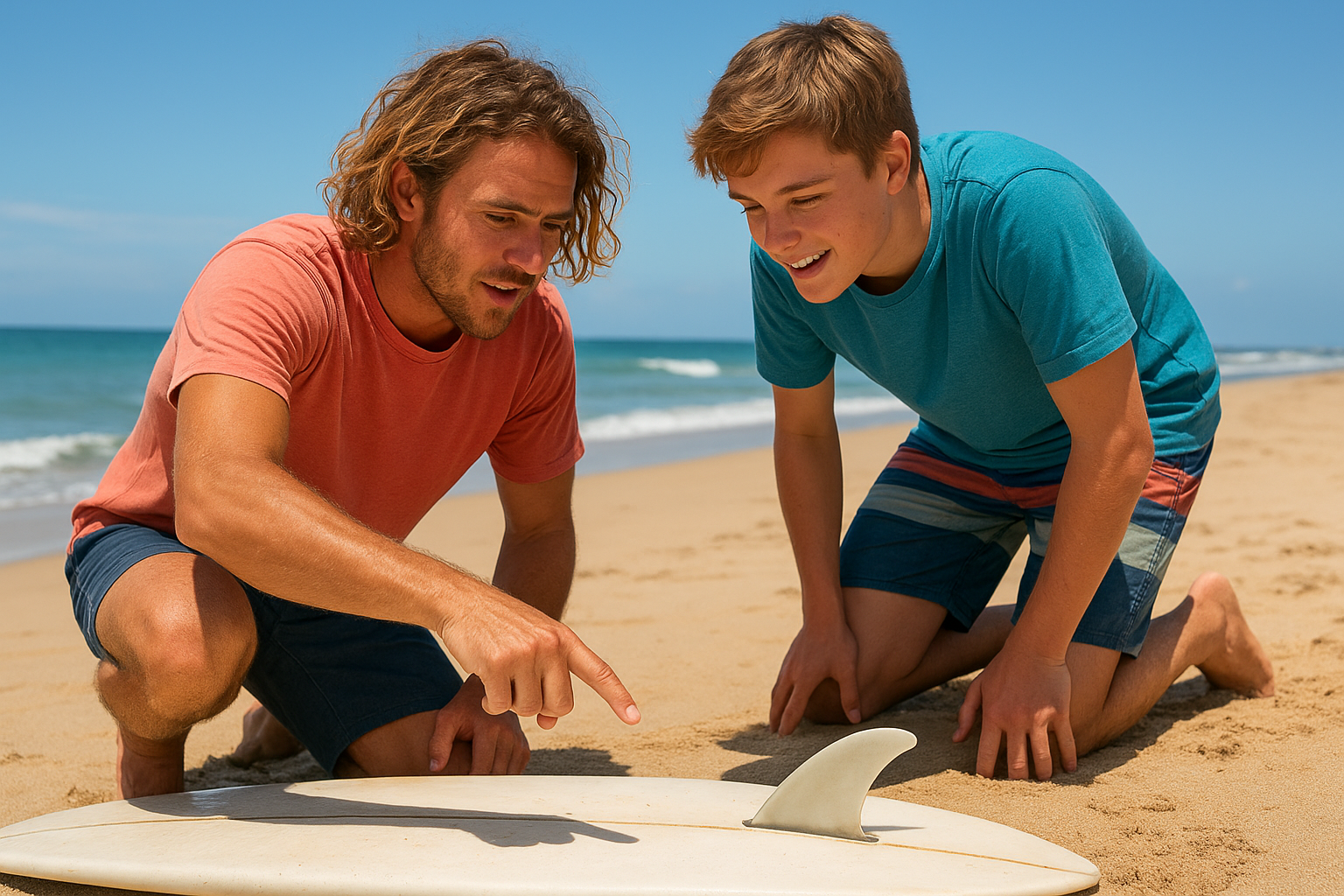
Getting the right size before you paddle out matters as much as the rental itself.
Which Board Length Fits Your Skill Level?
Generally speaking, longer and wider boards carry more volume, which translates into more stability while you’re still learning to balance. Therefore, complete beginners almost always start on an 8- to 10-foot soft-top, while surfers with a season or two of experience often move down to a 7- to 8-foot funboard for quicker turns.
Where to Find Surfboard Rentals Near Me: Locations & Delivery Options
Location is often the deciding factor when comparing surfboard rentals near me, since nobody wants to lug a nine-foot board across town. Fortunately, Waikiki’s rental scene is built around convenience, with two main ways to get a board in your hands, including local surf board hire Waikiki options.
Beachfront Walk-Up Counters
Most rental shops sit within a few steps of the water, which means you can compare boards in person, get sized on the spot, and walk straight into the surf. This is the fastest route for anyone who wants to be in the water within thirty minutes of arriving.
Hotel & Condo Delivery Service
In contrast, some renters prefer boards delivered straight to their hotel or vacation rental, particularly families with young children or groups renting multiple boards at once. When available, delivery service removes the need to carry gear through crowded beach paths, though it typically requires booking at least a few hours in advance. Always confirm delivery windows and any associated fees before you commit, since policies vary from shop to shop.
How to Find the Best Surfboard Rental Shop Near You
Above all, look for a shop with well-maintained boards, transparent pricing, and staff who ask about your experience before handing over gear. In contrast, shops that hand out boards without any sizing conversation are worth skipping, since an ill-fitted board makes learning far harder than it needs to be.
Reviews and word-of-mouth also matter. For example, Waikiki surf rental guide compares several Waikiki options side by side, which can save you time on your first search.
Step-by-Step: How to Rent a Board and Book a Lesson
Renting a board doesn’t have to be complicated. Therefore, follow this simple sequence the first time you visit a rental counter.
- Search nearby rental options and compare the board types, delivery availability, and lesson add-ons each shop carries before you arrive.
- Confirm the right board size with staff based on your height, weight, swimming ability, and surfing experience so the fit matches your skill level.
- Inspect the board and gear for dings, loose fins, or a worn leash before signing anything, and photograph any existing damage for your own records.
- Add a lesson if you’re new, since pairing certified instruction with a rental speeds up learning safely and reduces frustration in the water.
- Review pricing, the damage deposit, and the return policy so you know exactly what happens if the board is returned late or damaged.
For those who want the rental and instruction bundled from the start, this guide to surfing the waves of Honolulu walks through the full booking process from start to finish.
What Do Surfboard Rentals Near Me Typically Cost?
Pricing varies by board type and rental length, but there are general patterns worth knowing before you book.
Hourly and Daily Rates
| Rental Type | Hourly | Full Day |
|---|---|---|
| Soft-top longboard | $10–$20 | $25–$45 |
| Rental + private lesson | — | $75–$150 per person |
Meanwhile, packages that combine a rental with a lesson often land between $75 and $150 per person, depending on group size and session length. A more detailed pricing breakdown is available in this complete guide to rental prices and tips.
Weekly & Multi-Day Discounts
Weekly rentals, in contrast, tend to offer a noticeably lower per-day rate than booking single days back-to-back. If you’re staying in Waikiki for several days, it’s almost always cheaper to lock in a multi-day or weekly rate up front rather than paying the daily price each morning. This pricing breakdown of Waikiki rental prices, tips, and best spots lays out the exact savings tier by tier.
Group Rates & Family Packages
Above all, if you’re renting for a family or a group of friends, ask about bundled group pricing. Many shops discount per-board rates once you rent four or more at a time, and family packages that pair kids’ boards with an adult lesson are common during peak season.
Surfboard Rental vs. Surf Lesson: Which Should You Choose?
A plain rental works well if you already know how to paddle, pop up, and read the surf. However, if this is your first time in the water, a lesson is almost always the better investment.
Certified instructors teach proper paddling technique, ocean awareness, and etiquette, which reduces both frustration and risk. In particular, organizations like the International Surfing Association promote standardized safety practices that many professional schools follow. Pairing a lesson with your rental, rather than renting alone, tends to build confidence far faster.
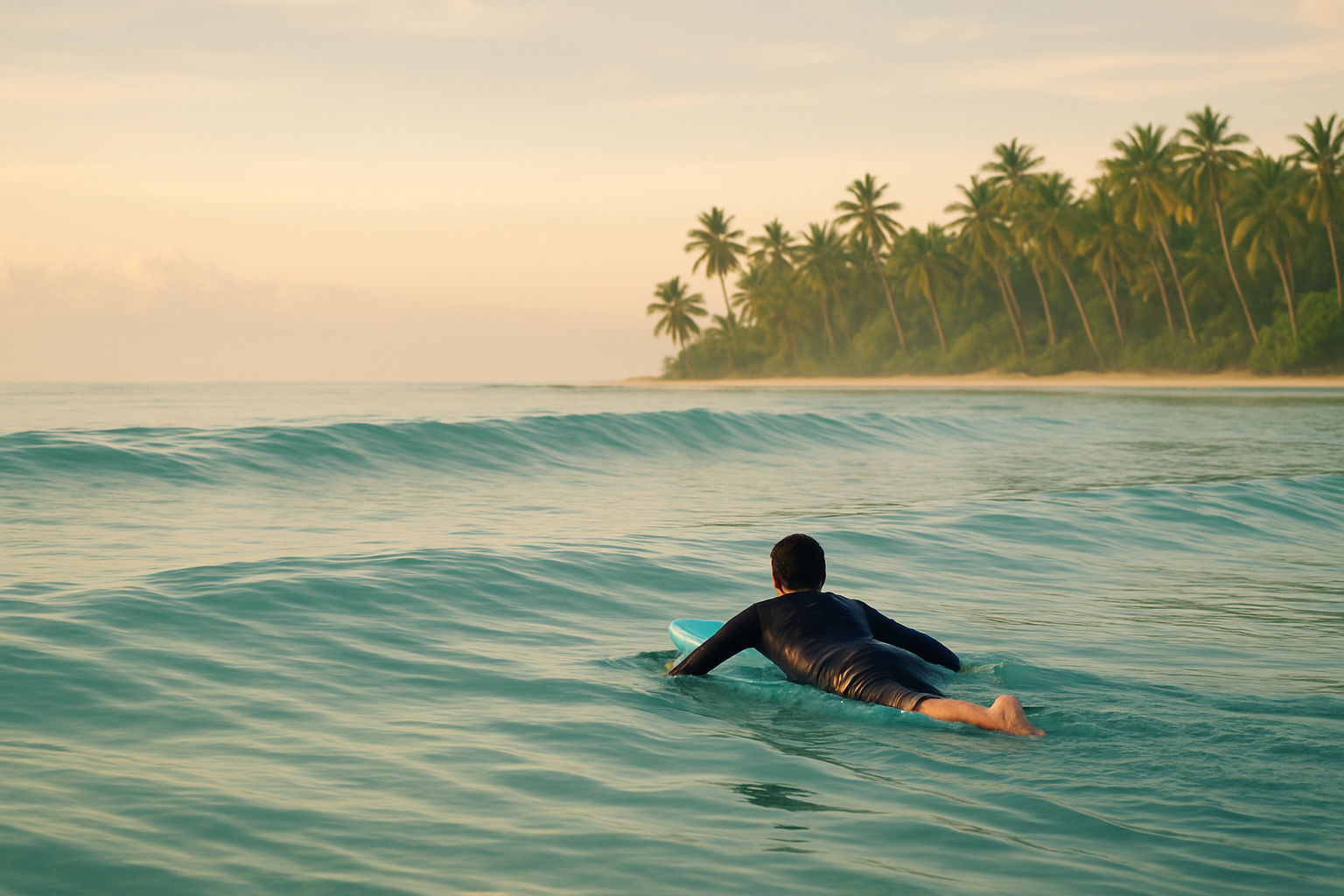
Calm, rolling waves make Waikiki one of the friendliest spots to test a rental board.
Star Beach Boys vs. Other Nearby Rental Shops: How We Compare
When you’re comparing surfboard rentals near me across several shops, it helps to see the differences side by side rather than guessing from a menu of prices alone.
| Feature | Star Beach Boys | Typical Rental Shop |
|---|---|---|
| On-site sizing help | Included with every rental | Varies, often self-serve |
| Rental + lesson bundling | Yes, at one location | Sometimes requires two bookings |
| Beach proximity | Directly on Waikiki Beach | Varies by location |
For a deeper side-by-side look, Waikiki surfboard rental guide for 2026 ranks nearby shops on price, board quality, and location.
Rental Policies: Damage, Cancellations & Age Requirements
Before you sign anything, ask three questions: what happens if the board is damaged, what the cancellation window looks like, and whether there’s a minimum age for unsupervised rentals. Most reputable shops charge only for damage beyond normal wear, allow free cancellation up to 24 hours in advance, and require a parent or guardian to sign for renters under 18. Confirming these details up front avoids unpleasant surprises at return time.
Tips for First-Time Renters
First, always check the board for cracks, exposed foam, or a loose fin before you leave the counter. Second, ask about the shop’s policy on damage so there are no surprises at return time.
Third, apply reef-safe sunscreen and check ocean conditions before entering the water; the National Ocean Service offers helpful guidance on spotting rip currents. Finally, keep the leash attached at all times, even in small waves, since it’s your primary safety tether to the board.
Frequently Asked Questions About Surfboard Rentals Near Me
What are surfboard rentals near me?
Surfboard rentals near me are local surf shops or beach-based schools that let you borrow a board for a set period instead of buying one. In Waikiki, most rental counters sit directly on or steps from the sand for quick access.
How much do surfboard rentals typically cost?
Soft-top boards usually rent for around $10 to $20 per hour or $25 to $45 for a full day. Packages that bundle a rental with a lesson often run higher but include instructor guidance.
Do I need experience to rent a surfboard?
No, most rental shops in Waikiki welcome complete beginners. However, first-timers are strongly encouraged to add a lesson so an instructor can cover paddling, balance, and ocean safety basics.
Can I rent a surfboard and take a lesson at the same location?
Yes, many surf schools, including Star Beach Boys, combine board rentals with lessons at one location. This saves time and ensures your board matches your skill level.
What size surfboard should a beginner rent?
Beginners generally do best on a soft-top board between 8 and 10 feet long, since extra length and volume add stability. Staff at the rental counter can size a board to your height, weight, and experience.
How long can I keep a rented surfboard?
Rental periods usually range from one hour to a full week, depending on the shop’s policy. Weekly rates are typically cheaper per day than single-day rentals.
Are surfboard rentals available for kids?
Yes, most Waikiki rental shops stock smaller, lightweight boards suited to children and offer youth-friendly lesson packages. Always mention a child’s age and swimming ability when booking.
What is the difference between renting a soft-top and a hard board?
Soft-top boards have a foam deck that’s forgiving for falls, making them ideal for beginners. Hard boards, often fiberglass or epoxy, offer more speed and control but suit intermediate and advanced surfers.
Is it cheaper to rent a surfboard for a week instead of daily?
In most cases, yes. Weekly rental rates are usually discounted compared to paying the daily rate seven separate times.
What should I check before renting a surfboard?
Inspect the board for dings, check that the fins are secure, and confirm the leash is intact before you sign anything. It’s also worth asking about the shop’s damage policy in advance.
Do Waikiki surf shops offer walk-up rentals without a reservation?
Many beachfront shops accept walk-ups, especially outside peak season. That said, booking ahead is safer during busy months, since popular boards and lesson slots can sell out.
What is the best time of day to rent a surfboard in Waikiki?
Early morning sessions tend to have calmer wind and fewer crowds in the water. Late afternoon can also work well, particularly for beginners easing into smaller waves.
Are leashes and fins included in a surfboard rental?
Yes, reputable rental shops include a leash and properly fitted fins with the board at no extra charge. Always confirm this before paying so you aren’t billed for missing gear later.
Does Star Beach Boys deliver rental boards to my hotel?
Delivery availability depends on location and advance notice, so it’s best to confirm timing when you book. Many renters instead choose the beachfront counter for same-day, walk-up convenience.
Can I get a group discount on multiple board rentals?
Yes, many shops offer reduced per-board pricing for groups of four or more, and family bundles that combine kids’ boards with an adult lesson are common during peak travel season.
Final Thoughts
Ultimately, finding reliable surfboard rentals near me comes down to choosing a shop that pairs quality gear with knowledgeable staff, transparent pricing, and a location close enough that you’re not wasting your beach day getting there. Waikiki’s calm, consistent waves make it one of the easiest places in the world to start, and a well-fitted rental board is the first step toward a great session — see our guide on rent surfboards for lessons for lesson-packaged rentals.
Whether you decide on a simple hourly rental or a full lesson package, Star Beach Boys and the resources linked throughout this guide can help you get from the sand to the surf with confidence. For more background on the sport itself, the Wikipedia overview of surfing is a useful starting point before your first paddle out. Last updated: 2026-07-27. Author: Star Beach Boys.