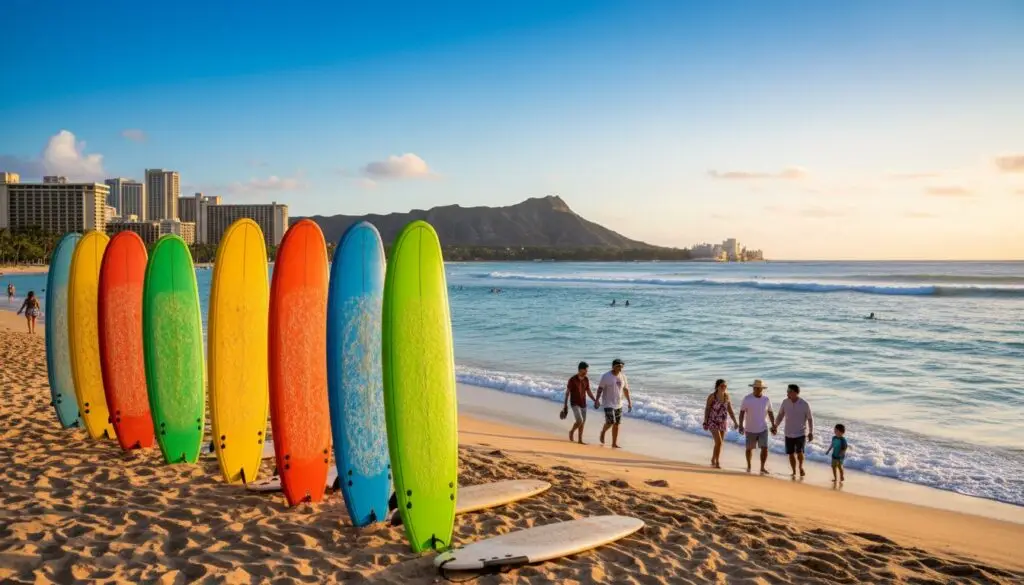
Surfing lessons on Oahu are widely regarded as one of the most thrilling and rewarding experiences the Hawaiian Islands have to offer. Whether you have never touched a surfboard or you are an intermediate rider looking to sharpen your skills, Oahu delivers world-class waves, expert instruction, and an ocean culture unlike anywhere else on earth. In fact, surfing itself originated in Polynesia, and Hawaii — particularly Oahu — remains its spiritual home.
According to the Surf Industry Manufacturers Association, more than 3.5 million Americans surf regularly, and Hawaii consistently ranks as the top destination for first-time surf students. Therefore, booking a lesson on Oahu is not just a vacation activity — it is a step into a global tradition.
What Are Surfing Lessons on Oahu?
Surfing lessons on Oahu are structured, instructor-led sessions that teach participants how to safely and confidently ride ocean waves on a surfboard. These lessons typically begin on the beach with a thorough safety briefing, followed by land-based technique practice, and then guided time in the water. Beginner programs focus on fundamentals such as paddling, balance, and the pop-up — the movement of going from lying on the board to standing upright. For practical preparation and lesson tips, see Oahu surf lesson tips.
Furthermore, intermediate lessons address wave selection, turning, and trimming the board along the wave face. Most reputable schools on the island offer both group and private formats, making it easy to find an option that fits your budget and learning style.
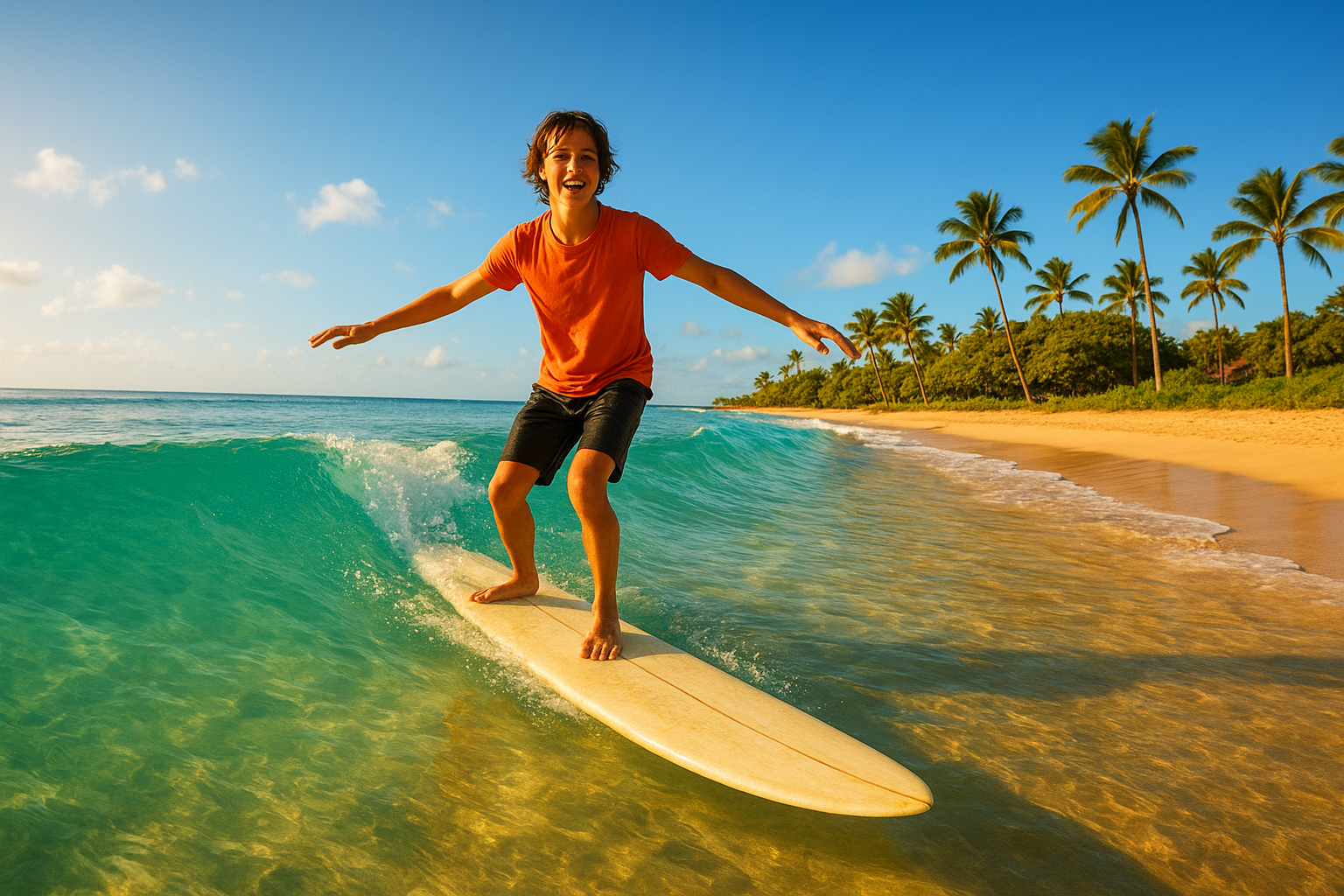
A first-time student catches a wave during surfing lessons on Oahu — an experience that is both achievable and unforgettable.
Why Oahu Is the Perfect Place to Learn Surfing
Oahu offers a rare combination of ideal wave conditions, warm water, and a deep-rooted surf culture that makes it the ultimate classroom for new surfers. Specifically, Waikiki Beach on the island’s South Shore produces long, slow-rolling waves that are perfectly suited for beginners. The water temperature hovers around 78°F year-round, so you can focus entirely on learning rather than battling the cold.
In addition, Oahu’s surf culture is deeply welcoming. Locals and instructors share a genuine love for the ocean, and that enthusiasm is contagious. Consequently, most students find themselves paddling back out for more even after their first successful ride.
Top Beaches for Beginner Surf Lessons on the Island
Not every beach on Oahu is suitable for learning. However, several spots stand out as consistently safe and productive for new surfers: Waikiki beginner guide
- Waikiki Beach — The most iconic and beginner-friendly surf spot on the island, with mellow waves and lifeguard supervision.
- Canoes Break — A classic Waikiki break named after the traditional Hawaiian canoes once launched here, ideal for first-timers.
- Ala Moana Beach Park — Offers calm, protected waters and is especially suitable for younger learners and families.
- White Plains Beach — A less crowded option on the West Shore, popular with locals and surf schools looking for uncrowded lineups.
For more detailed guidance on matching your skill level to the right break, explore this helpful resource on learning to surf on Oahu, including the best spots and tips.
How to Get the Most Out of Your Oahu Surf Lesson
Preparation makes a significant difference in how quickly you progress. Follow these five steps to maximize your experience:
- Choose a reputable surf school. Consult our Oahu surf lessons tips, and choose schools that employ certified instructors, maintain strong safety protocols, and operate at beginner-friendly beaches. Small class sizes ensure you receive personalized attention throughout the lesson.
- Prepare your gear and arrive early. Wear a comfortable swimsuit and apply reef-safe sunscreen before you arrive. Bring a towel, water, and an open mind. Arriving 15 minutes early gives your instructor time to cover essential safety briefings on the sand.
- Master the pop-up on land first. Before entering the water, practice the pop-up technique on dry ground. Your instructor will guide you through the correct foot placement, hand position, and timing needed to stand up smoothly in one motion.
- Paddle out and read the waves. Enter the water with your instructor and focus on paddling technique. Learning to identify the right incoming wave — and the precise moment to turn and paddle toward shore — is a critical skill that develops quickly with guided practice.
- Catch your first wave and refine your stance. Execute the pop-up you practiced on land, keep your gaze forward, bend your knees slightly, and distribute your weight evenly between both feet. Your instructor will provide real-time feedback to help you improve with every ride.
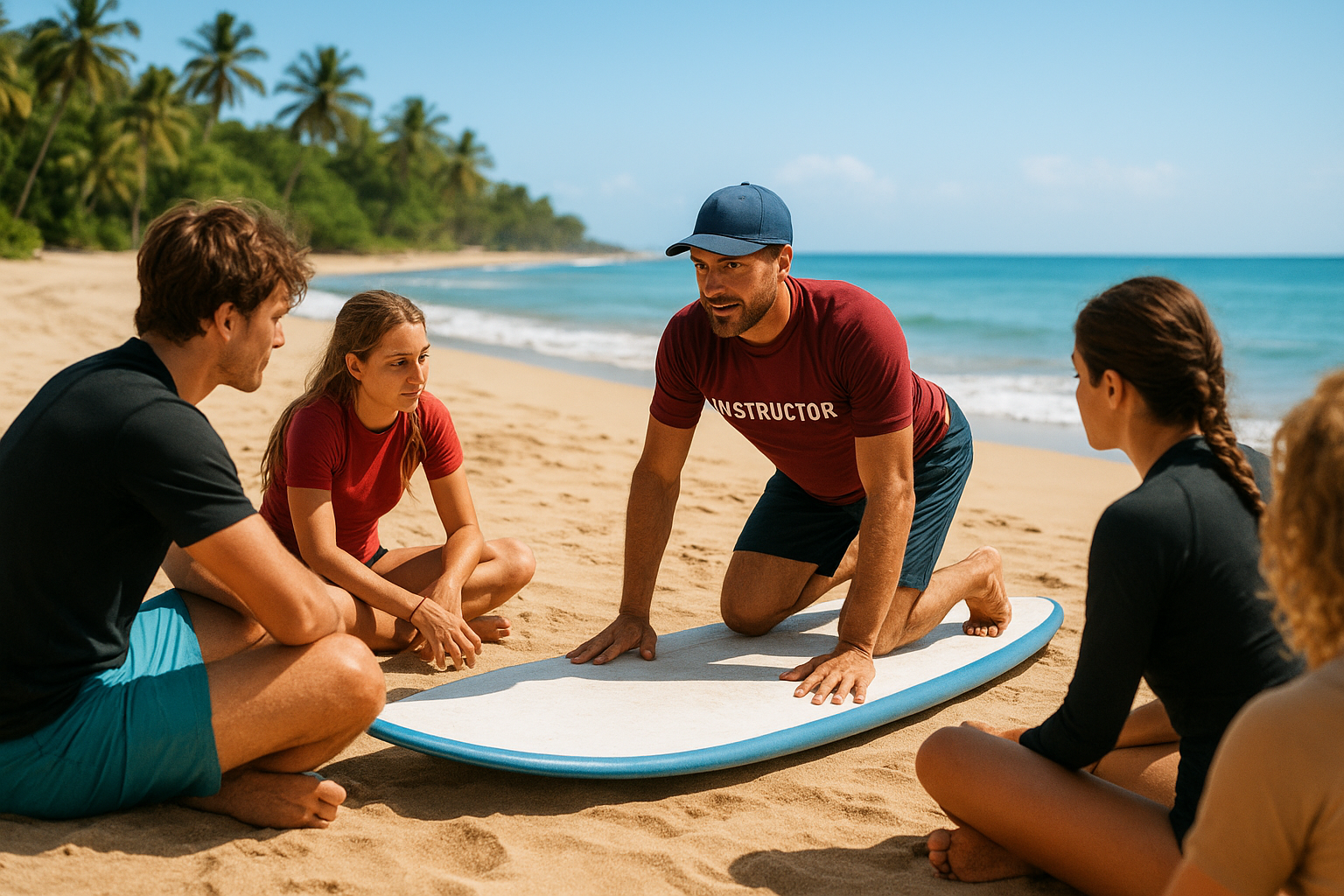
A certified instructor walks students through the pop-up technique before entering the water — a crucial step in every quality surf lesson.
What to Expect From a Professional Oahu Surf School
A high-quality surf school on Oahu does far more than hand you a board and point you toward the water. Instead, it delivers a structured, progressive learning environment where safety and skill development go hand in hand. Instructors are typically certified by recognized bodies such as the International Surfing Association (ISA), ensuring they meet globally recognized standards for coaching and water safety.
Moreover, reputable schools provide all necessary equipment — including soft-top longboards, leashes, and rash guards — so you do not need to invest in gear before your first lesson. This makes the experience accessible to tourists and visitors who are traveling light.
Group Lessons vs. Private Instruction: Which Is Right for You?
Group lessons are the most popular choice for first-time surfers visiting Oahu. They are affordable, social, and create a fun, motivating atmosphere where students cheer each other on. Typically, group lessons maintain a ratio of four to six students per instructor, which still allows for meaningful individual feedback.
Private lessons, on the other hand, offer undivided attention from your instructor. As a result, they tend to accelerate skill development significantly. They are particularly well-suited for intermediate surfers working on specific techniques, or for families with young children who need closer supervision in the water.
For a comprehensive comparison of lesson formats and schools, visit this detailed guide on finding the best surf school on Oahu for your needs.
Safety Tips Every New Surfer Should Know
Ocean safety is the foundation of every great surf lesson. Therefore, understanding and respecting the water before you paddle out is non-negotiable. Here are the most important safety principles for beginners:
- Always surf with an instructor or experienced companion during your first several sessions.
- Never let go of your board in the water — it acts as your flotation device.
- Respect right-of-way rules in the lineup to avoid collisions with other surfers.
- Be aware of rip currents — if caught in one, paddle parallel to the shore rather than fighting it directly.
- Use reef-safe sunscreen to protect both your skin and Hawaii’s fragile coral reef ecosystems.
Additionally, always listen carefully to your instructor’s pre-water briefing. Those few minutes on the beach can make the difference between a safe, enjoyable session and an avoidable accident. For more on safety protocols and child-friendly programs, read surf lesson safety.
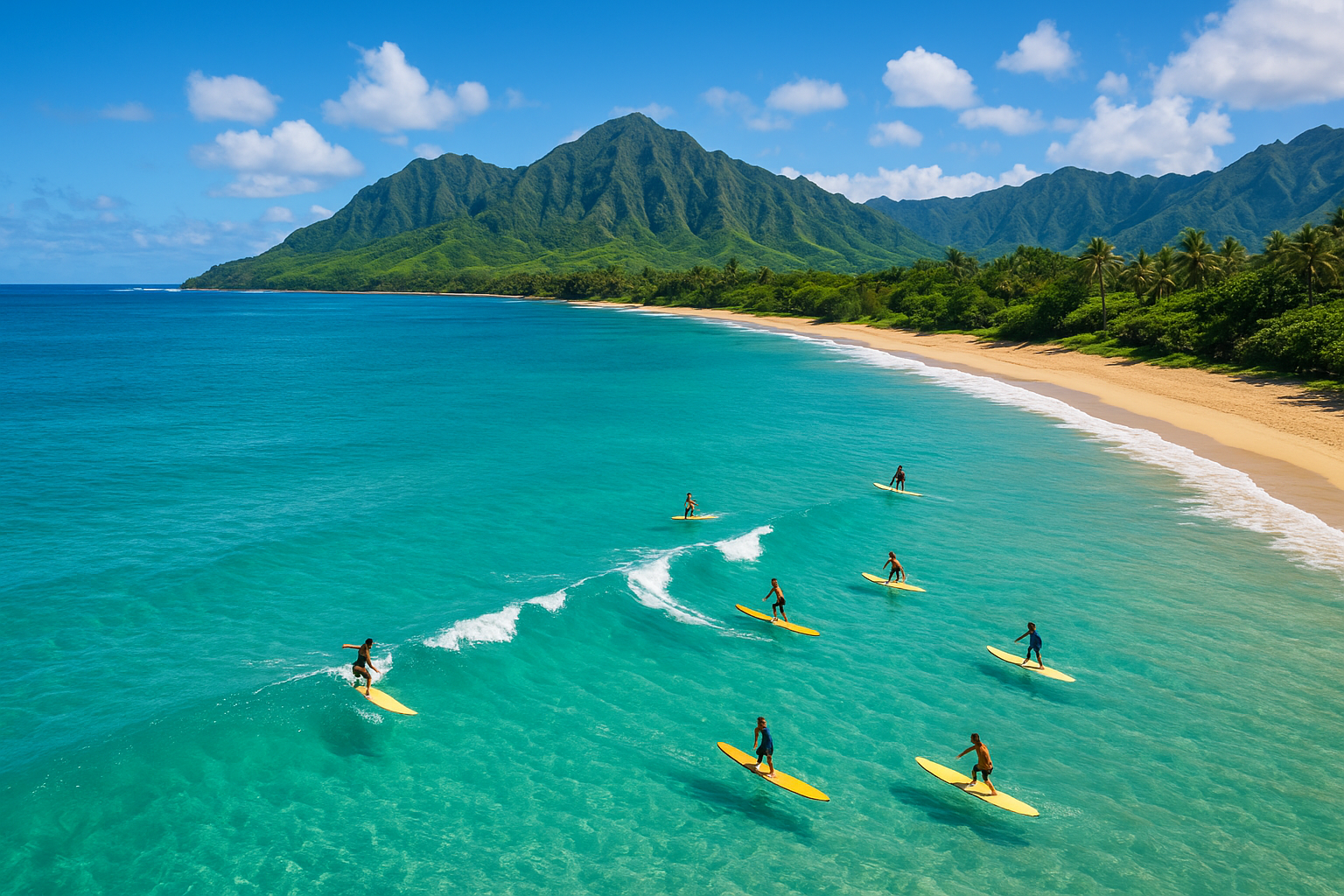
Oahu’s South Shore offers consistently gentle waves and stunning scenery — an ideal setting for surf lessons at any skill level.
Why Star Beach Boys Stands Out for Surf Instruction on Oahu
Star Beach Boys has established itself as one of Oahu’s most trusted surf instruction companies by combining professional coaching with a genuine passion for the ocean. The school welcomes participants of all ages and fitness levels — from complete beginners stepping into the water for the very first time to intermediate surfers ready to refine their technique and push their abilities further.
The team of highly trained instructors delivers personalized guidance in a structured environment that prioritizes student safety above all else. Furthermore, programs are thoughtfully designed to build skills progressively, ensuring that every student leaves the water more confident than when they arrived. Whether you are a tourist visiting for a week or a local resident looking for a new passion, Star Beach Boys offers a program tailored to your goals.
To explore available lesson formats and plan your session, check out the full overview of Oahu surfing lessons and what to expect when you learn to surf in Hawaii.
Frequently Asked Questions About Surfing Lessons on Oahu
What are the best surfing lessons on Oahu for beginners?
The best surfing lessons on Oahu for beginners are typically held at Waikiki Beach, where calm, rolling waves and shallow water create ideal learning conditions. Reputable surf schools like Star Beach Boys provide certified instructors, proper equipment, and structured lessons that help newcomers stand up and ride waves safely on their first day.
How much do surf lessons on Oahu cost?
Group surf lessons on Oahu typically range from $50 to $100 per person, while private lessons can cost between $100 and $200 per hour. Prices vary by school, lesson duration, group size, and whether equipment rental is included.
How long does it take to learn to surf in Oahu?
Most beginners can stand up and ride a wave within their first one to two lessons on Oahu — see learn to surf in Oahu for details. However, developing consistent technique and confidence in the water generally takes several sessions over days or weeks of practice.
What should I bring to my first surf lesson on Oahu?
You should bring a swimsuit, sunscreen (reef-safe is recommended in Hawaii), a towel, and water. Most surf schools on Oahu provide surfboards, leashes, and rash guards as part of the lesson package.
What is the best beach for surf lessons on Oahu?
Waikiki Beach is widely considered the best beach for surf lessons on Oahu due to its consistent, gentle waves and warm, clear water. It has been a legendary surf spot since the early 1900s and remains the top choice for beginners and instructors alike.
Do I need prior experience to take surf lessons on Oahu?
No prior experience is needed to take surf lessons on Oahu. Surf schools welcome complete beginners and design their programs to start from the very basics, including ocean safety, paddling technique, and how to pop up on the board.
Are surf lessons on Oahu safe for children?
Yes, surf lessons on Oahu are generally safe for children when conducted by certified instructors at beginner-friendly beaches. Many surf schools offer dedicated programs for kids as young as five or six, with age-appropriate boards and constant supervision.
What is the difference between group and private surf lessons?
Group lessons are more affordable and offer a social, fun atmosphere, typically with a ratio of four to six students per instructor. Private lessons provide one-on-one coaching, allowing for faster skill development and personalized feedback tailored to your specific needs.
What is the best time of year to take surf lessons on Oahu?
Oahu offers great surfing conditions year-round, but summer months (May through September) produce smaller, calmer waves on the South Shore — ideal for beginners. Winter swells on the North Shore are best suited for advanced surfers.
Can I take surf lessons on Oahu if I am not a strong swimmer?
Most surf schools on Oahu recommend that students be comfortable in the water and able to swim at least short distances. However, lessons take place in shallow, supervised areas, and instructors provide constant guidance to ensure safety for all participants.
What common mistakes do beginner surfers make during lessons?
Common beginner mistakes include looking down at the board instead of forward, placing feet too close together, and paddling with bent arms. A qualified instructor will identify and correct these habits early, helping you build a solid foundation from the start.
How do I choose the right surf school on Oahu?
Look for a surf school with certified instructors, strong safety protocols, positive reviews, and small class sizes. Schools that operate at well-known beginner beaches like Waikiki and offer structured, progressive lesson plans tend to deliver the best results. You can also browse detailed comparisons at this guide to finding your perfect wave with surf lessons in Hawaii.
Conclusion: Start Your Surfing Journey on Oahu Today
In summary, surfing lessons on Oahu offer an unmatched combination of ideal conditions, expert instruction, and a vibrant ocean culture that inspires surfers of every level. From the gentle rolling waves of Waikiki to the guidance of certified professionals who genuinely care about your progress, every element of the experience is designed to help you succeed in the water. Whether you are a first-time visitor or a returning enthusiast, Oahu’s surf schools provide the structure, safety, and encouragement you need to build real skills and lasting confidence. So apply that reef-safe sunscreen, grab a board, and take the first step toward one of the most rewarding experiences the Pacific has to offer. Your wave is waiting. Last updated: 2026-07-27. Author: Star Beach Boys Surf Team (ISA-certified instructors).