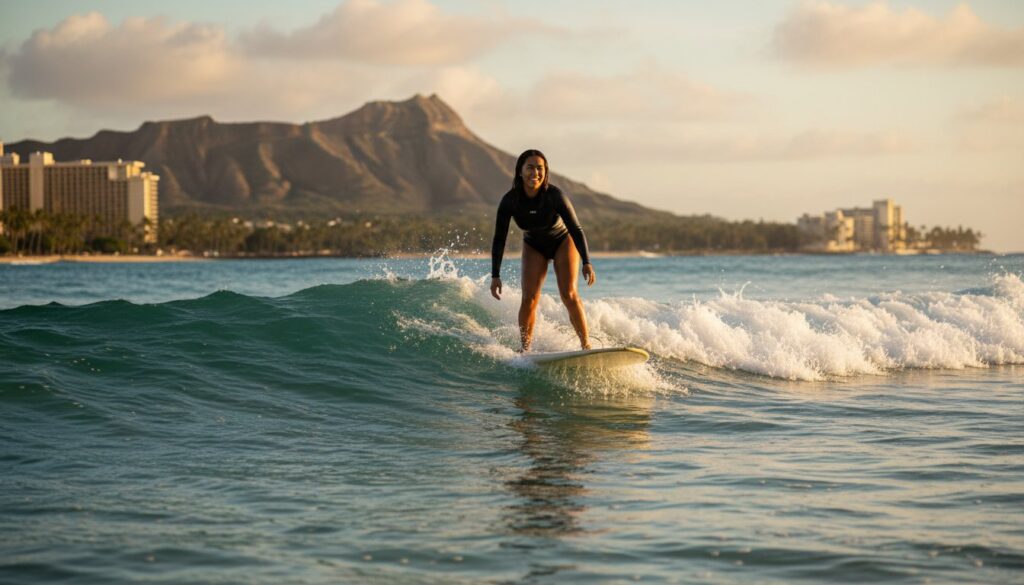
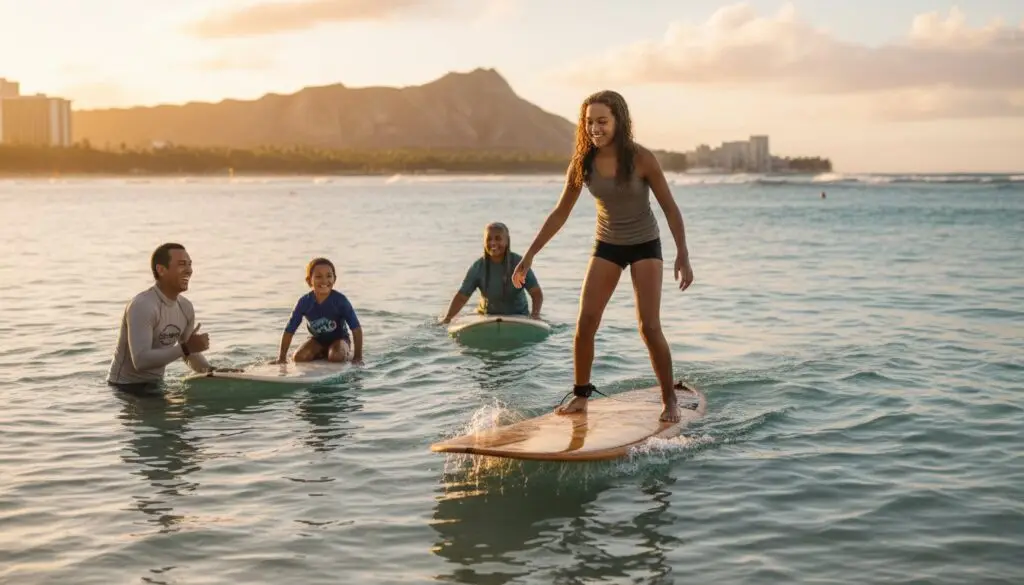
Surf board hire Waikiki is the fastest and most affordable way to get on the water during your Hawaii visit — no ownership, no shipping, no hassle. Whether you are a first-time wave rider or a seasoned surfer looking to travel light, renting a board directly on the beach puts you in the lineup within minutes. Waikiki’s gentle breaks, warm water, and year-round sunshine make it an ideal place to pick up a board and paddle out.
In this guide, you will find everything you need to know — from choosing the right board and understanding rental costs to picking the ideal time of day and knowing exactly what to bring with you. This guide was written by the Star Beach Boys team; see the author bio below for credentials and the last-updated date.
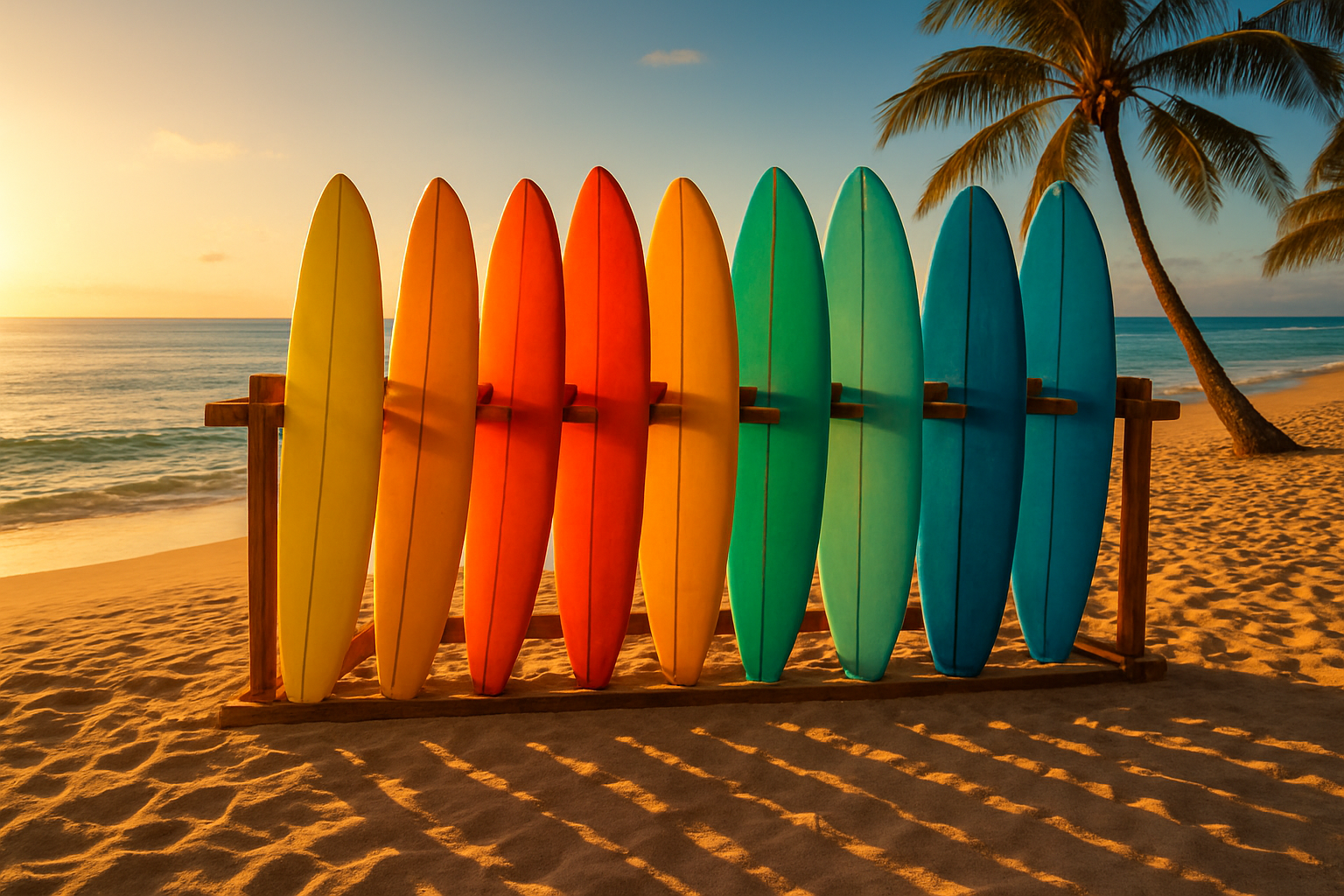
A well-stocked rental stand is never far from the shoreline at Waikiki, making surf board hire straightforward for visitors of all experience levels. For a deeper walkthrough, see our Surf & SUP Rentals.
Why Waikiki Is the World’s Best Place to Rent a Surfboard
Waikiki has been a surfing destination for over a century, and for good reason. The offshore reef creates long, rolling waves that break slowly and predictably — ideal conditions for beginners. Because the waves rarely exceed three feet in summer, even someone who has never stood on a board can experience the thrill of riding whitewater on their first session.
Furthermore, the water temperature hovers between 75°F and 82°F year-round, so no wetsuit is needed. The sandy bottom also significantly reduces the risk of injury compared to reef-heavy surf spots elsewhere in Hawaii. As a result, Waikiki attracts millions of first-time surfers every year, and the local rental industry has evolved to serve every skill level efficiently.
What Types of Boards Are Available for Surf Board Hire Waikiki?
Most Waikiki rental stands stock three main board categories. Understanding the difference helps you choose the right tool for your session.
Foam Softboards (Foamies)
These are the go-to option for beginners. They are wider, thicker, and far more buoyant than traditional boards, which makes popping up to your feet much easier. The soft exterior also reduces the chance of injury if the board hits you. Most rental operators will steer first-timers toward an 8- to 10-foot foam longboard.
Fiberglass Longboards
These boards offer more glide and a smoother feel underfoot. They are ideal for intermediate surfers who have already mastered the basics and want to develop their style. However, they are harder and heavier, so they carry a slightly higher injury risk for complete novices.
Shortboards
Shortboards are performance-oriented and designed for surfers who can already read waves confidently. They are harder to balance on, require more paddle power, and are best reserved for experienced riders. In practice, most Waikiki rental shops will ask about your experience before handing you a shortboard.
How Much Does Surf Board Hire at Waikiki Cost?
Rental prices are generally transparent and competitive across Waikiki’s many beach concession operators. Below is a typical pricing breakdown you can expect to encounter. For a deeper walkthrough, see our Star Beach Boys surf school reviews.
| Board Type | Hourly Rate | Half-Day Rate | Full-Day Rate |
|---|---|---|---|
| Foam Softboard | $15 – $20 | $30 – $45 | $50 – $65 |
| Fiberglass Longboard | $20 – $25 | $40 – $55 | $65 – $80 |
| Shortboard | $20 – $30 | $45 – $60 | $70 – $90 |
Additionally, many operators offer surfboard rentals in Waikiki that bundle board hire with a beginner lesson, which typically represent better value than booking each service separately. If you plan to surf for three or more hours, a full-day rental almost always works out cheaper than paying by the hour.
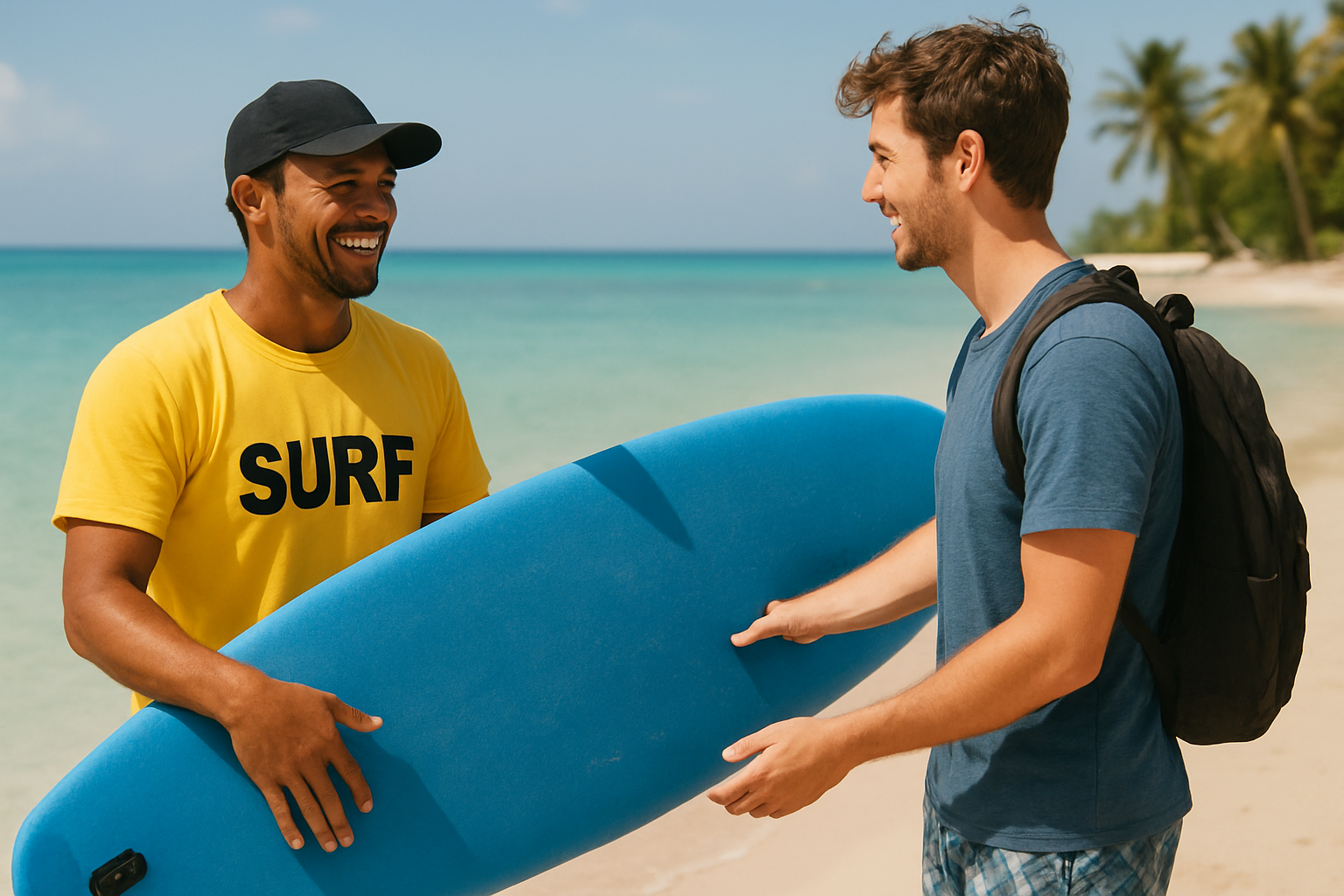
Find where to rent surfboards that pair board hire with a short safety briefing, giving beginners the confidence to paddle out independently.
Best Time of Day to Hire and Hit the Waves
Timing your session correctly makes a significant difference to the quality of your experience. Best time to surf is typically early morning between 7 and 9 AM, which is widely regarded as the prime window for Waikiki surfing. During these hours, trade winds have not yet picked up, which keeps the wave surface smooth and easy to read. Meanwhile, the beach is far less crowded, so you have more room in the water and at the rental stand.
By mid-morning, tourist activity intensifies and the lineup fills up quickly. Afternoon sessions are still enjoyable, though onshore winds can chop up the water surface. In contrast, late afternoon around 4 to 5 PM often sees a second lull in crowd activity, making it a reasonable alternative if mornings do not suit your schedule.
Seasonal Considerations
Summer months from May through September bring smaller, more consistent swells — perfect for beginners. Winter swells arrive from the North Pacific between November and February and can push wave heights higher, which is better suited to intermediate and advanced surfers. However, even during winter, the inner breaks at Waikiki remain relatively mellow compared to the North Shore.
Step-by-Step: How to Hire a Surfboard at Waikiki
- Choose your rental operator. Walk along the beach and compare the boards on offer. Reputable operators like Star Beach Boys have decades of experience and a wide selection of boards for all skill levels. For a deeper walkthrough, see our Star Beach Boys surf lessons.
- Declare your experience level honestly. The staff will recommend the right board size and type based on what you tell them. First-time surfers should always start on a foam longboard.
- Pay the rental fee and leave a deposit. Most stands accept credit cards. A refundable deposit — typically $20 to $50 — is held against damage or loss of the board.
- Receive a safety briefing. Even experienced surfers benefit from a quick rundown of local rules, wave etiquette, and designated surfing zones. Pay attention — it keeps everyone safer in the water.
- Attach the leash and paddle out. Secure the leash to your back ankle before entering the water. Start in the whitewater zone near shore if you are a beginner, and work your way further out as your confidence grows.
- Return the board on time. Bring the board back to the same stand by the agreed time to avoid additional charges. Rinse off any sand and check the board for dings before handing it back.
What to Bring and What to Wear
Preparation keeps your session comfortable and safe. Therefore, before heading to the beach, make sure you have the following essentials. For a deeper walkthrough, see our Star Beach Boys surfing lessons.
- Reef-safe sunscreen — Hawaii law requires reef-safe formulas. Apply generously before entering the water and reapply after your session.
- Rash guard or swim shirt — Protects against sunburn and board rash, especially during longer sessions.
- Valid photo ID — Required by most rental operators for deposit purposes.
- Credit or debit card — For the rental fee and refundable deposit.
- Water bottle — Paddling is more physically demanding than it looks, and staying hydrated in the Hawaiian sun is essential.
Common Mistakes First-Timers Make at the Rental Stand
Even small missteps at the start of your rental can affect your entire session. Avoiding these common errors will help you make the most of your time in the water.
Choosing a board that is too small. Beginners often underestimate how much volume they need to float and paddle effectively. Always go bigger than you think you need — you can always downsize in future sessions.
Skipping the safety briefing. It may feel unnecessary if you have surfed before, but local rules and designated zones vary between beaches. Ignoring them can result in collisions or fines.
Renting for too short a time. Getting comfortable on a board takes longer than most beginners expect. As a result, renting for at least two hours gives you a genuine chance to stand up and ride a few waves properly.
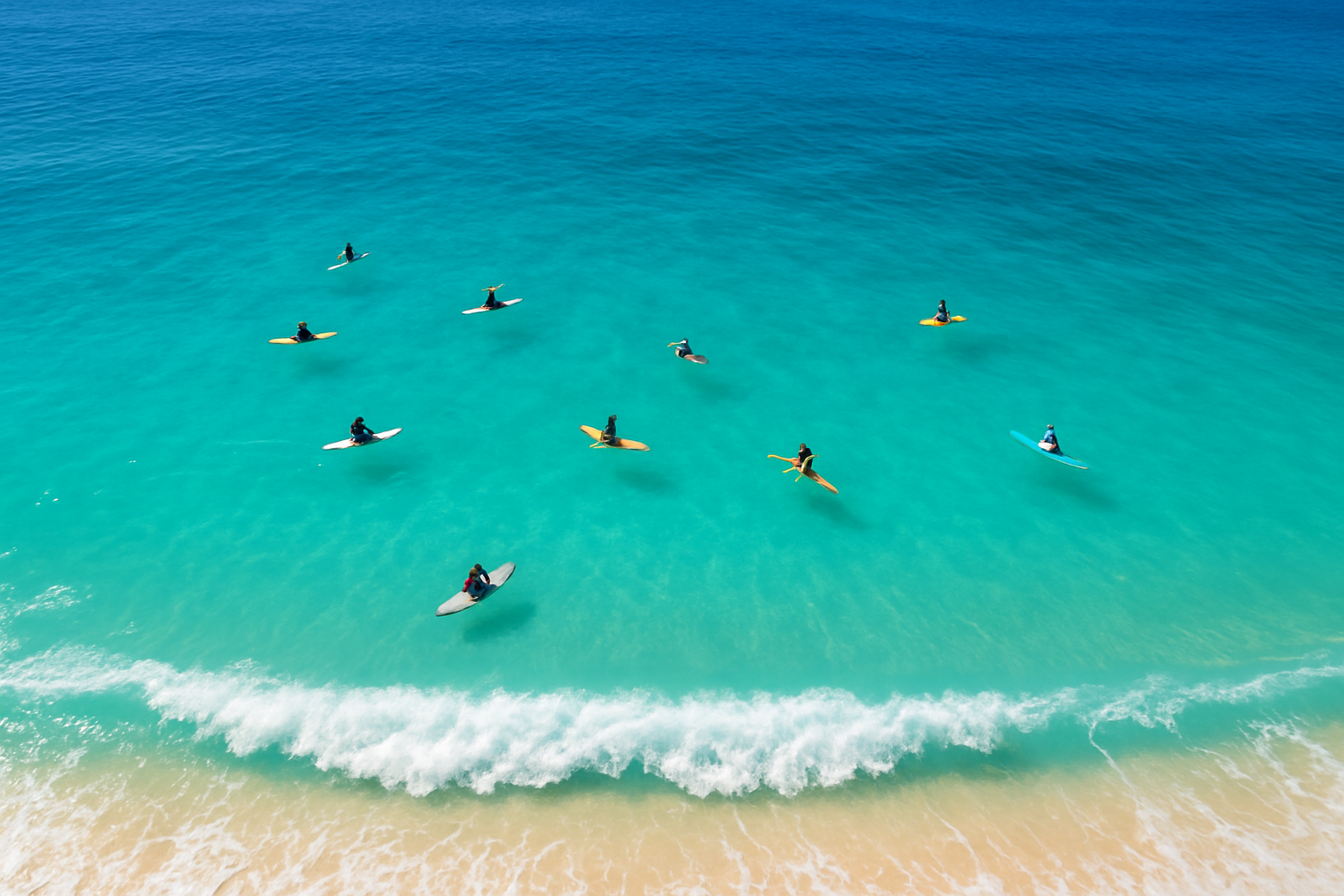
Waikiki’s wide, gently sloping breaks give beginners plenty of room to practice without the pressure of crowded lineups.
Finding a Reliable Rental Operator
Waikiki has numerous concession stands along the beachfront, but not all offer the same quality of equipment or service. Look for operators with a long-established presence, well-maintained boards, and staff who take the time to match you with the right equipment. Star Beach Boys is one of the most recognized names on the Waikiki waterfront, offering surfboard rentals in Waikiki alongside lessons and other water sport services. For a deeper walkthrough, see our SUP Lessons.
When evaluating any operator, check that their boards are free of significant dings or delamination, confirm that leashes are provided, and ask whether they carry liability insurance. A reputable shop will answer all of these questions without hesitation.
Surf Board Hire Waikiki: The Bottom Line
Surf board hire Waikiki is an accessible, affordable, and genuinely unforgettable experience for travelers of all backgrounds. The combination of warm water, consistent beginner-friendly waves, and professional rental services makes Waikiki uniquely suited to anyone who wants to try surfing for the first time — or simply wants to enjoy a session without lugging their own gear across the Pacific.
Therefore, whether you are planning a single morning session or surfing every day of your trip, renting locally is the smartest way to get on the water. Book early during peak season, choose the right board for your skill level, and show up at sunrise for the best conditions Waikiki has to offer. Author: Star Beach Boys staff. Last updated: 2026-07-12.
Frequently Asked Questions About Surf Board Hire Waikiki
What is surf board hire Waikiki and how does it work?
Surf board hire Waikiki is a short-term rental service where visitors borrow a surfboard from a beach concession stand for an hourly or daily fee. You select a board suited to your skill level, pay the rental fee, and head straight into the water. Most stands are located steps from the shoreline, making the process quick and convenient. For a deeper walkthrough, see our Star Beach Boys surf lessons.
How much does surfboard rental cost at Waikiki Beach?
Typical surfboard rental prices at Waikiki range from $15 to $25 per hour for a foam longboard, with daily rates often available for $50 to $80. Prices vary by provider, board type, and season. Booking in advance or through a package deal can reduce the overall cost.
Do I need surfing experience to hire a surfboard at Waikiki?
No prior experience is required to hire a surfboard at Waikiki. Beginners are welcome and most rental operators will recommend a large foam softboard, which is more stable and forgiving. Many shops also offer brief safety tips or beginner lessons alongside the rental. For a deeper walkthrough, see our Star Beachboys Waikiki: The Ultimate Ocean Experience.
What types of surfboards are available to rent at Waikiki?
Rental shops at Waikiki typically offer foam softboards, fiberglass longboards, and shortboards. Foam boards are ideal for beginners because of their buoyancy and soft rails. More experienced surfers can request performance shortboards or mid-length options.
When is the best time of day to hire a surfboard at Waikiki?
Early morning between 7 and 9 AM is generally the best time to hire a surfboard at Waikiki. The crowds are smaller, the winds are calmer, and the waves tend to be cleaner. Additionally, rental stands are less busy, so you spend less time waiting and more time in the water.
Is Waikiki Beach good for beginner surfers?
Yes, Waikiki Beach is considered one of the best beginner surf spots in the world. The waves are gentle and consistent, the water is warm, and the sandy bottom reduces injury risk. These conditions make it an ideal learning environment for first-time surfers. For a deeper walkthrough, see our Star Beach Boys surf lessons.
Can I hire a surfboard and get a lesson at the same time?
Yes, many Waikiki surf rental operators offer combined board hire and lesson packages. These typically include a one-hour group or private lesson with an experienced instructor plus board use for the session. Bundling a lesson with your rental is often more cost-effective than booking separately.
What should I bring when hiring a surfboard at Waikiki?
Bring a valid photo ID, a credit or debit card for the deposit, and reef-safe sunscreen. Wearing a rash guard is recommended to prevent sun exposure and board rash. Most rental stands provide a leash with the board, but confirm this when you book.
Are there age or weight restrictions for surfboard hire at Waikiki?
Most rental operators welcome surfers of all ages, though children under 12 are typically required to have a supervising adult in the water. Weight limits are rare but board size recommendations may vary. Always check with the specific rental provider for their policies.
How far in advance should I book surf board hire at Waikiki?
During peak tourist season from June to August, booking at least one to two days in advance is advisable. For shoulder season visits, same-day walk-up rentals are usually available. However, booking ahead guarantees your preferred board size and time slot.
What is the difference between a foam board and a fiberglass board for rental?
Foam boards are softer, more buoyant, and much safer for beginners because they reduce the risk of injury on impact. Fiberglass boards are lighter and more responsive, making them better suited for intermediate and advanced surfers. Most rental shops recommend foam boards for anyone who has not surfed before.
Can I hire a surfboard for a full day at Waikiki?
Yes, full-day surfboard hire is available from most Waikiki rental operators. A full-day rate is generally more economical than paying hourly if you plan to surf for three or more hours. Confirm the return time with the rental stand when you pick up your board. For a deeper walkthrough, see our Star Beachboys: Surf Lessons & Ocean Experiences.
Is surf board hire at Waikiki available year-round?
Yes, surfboard rental at Waikiki is available throughout the year because Hawaii’s climate is consistently warm and surf-friendly. Winter months bring slightly larger swells, while summer offers calmer, more beginner-friendly conditions. Rental stands generally operate seven days a week.