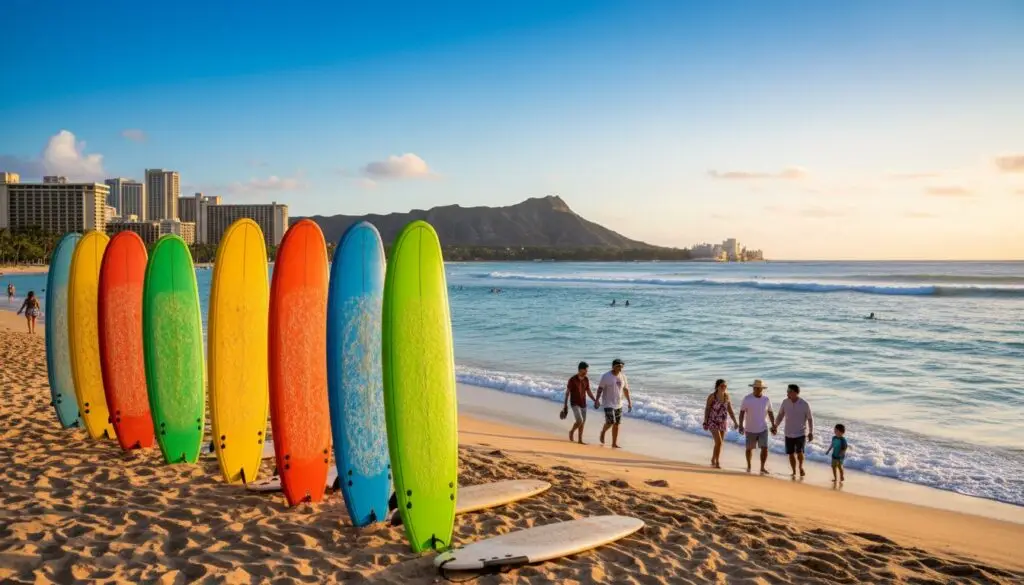
The local surf spots Waikiki offers are among the most celebrated and accessible breaks in the entire world, drawing surfers of every skill level to the warm, turquoise waters of Oahu’s southern shore. From the famously gentle rollers at Canoes to the slightly more spirited waves at Populars, Waikiki’s reef breaks have introduced millions of people to the joy of surfing. In fact, surfing itself was born in these very waters, practiced by Hawaiian royalty centuries before the sport spread across the globe. Last updated: 2026-07-27.
Whether you are visiting Honolulu for the first time or you have been riding waves here for years, understanding each break’s character helps you choose wisely and plan Waikiki surfing lessons. Furthermore, knowing where to paddle out, when to go, and what to expect dramatically improves both your safety and your enjoyment on the water.
What Are the Local Surf Spots in Waikiki?
Local surf spots in Waikiki are a series of distinct reef breaks stretching along the roughly two-mile coastline between the Hilton Hawaiian Village and Diamond Head. Each break sits over a shallow coral reef that slows and shapes incoming south swells into rideable waves. Specifically, the main named breaks include Canoes, Queens, Populars, Publics, and several outer reefs used by more experienced surfers.
According to the National Weather Service Honolulu, south swells averaging 2 to 4 feet are common throughout the summer months, creating ideal conditions for the majority of Waikiki’s breaks. As a result, summer is widely regarded as the prime learning season, though rideable surf is available year-round.
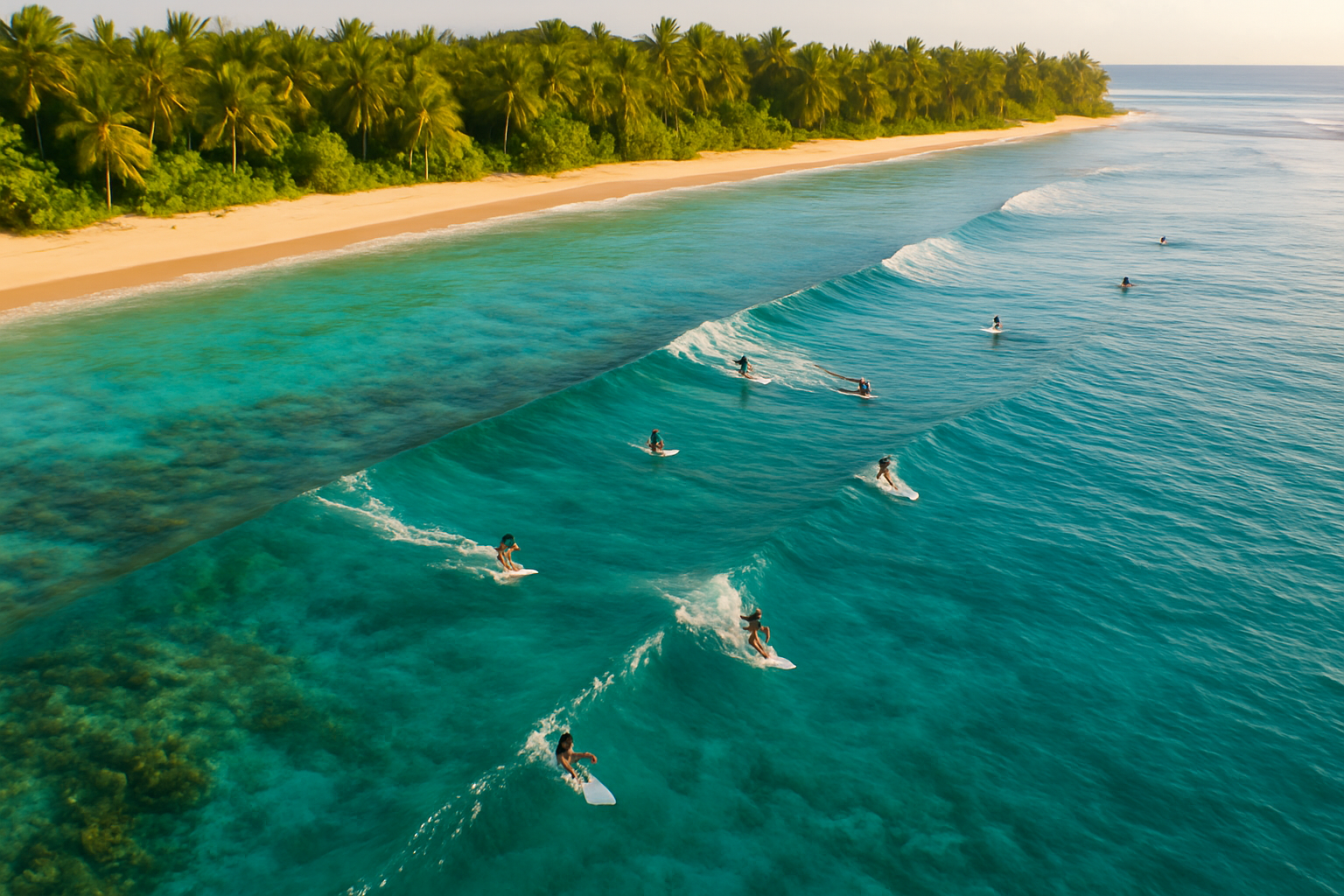
Waikiki’s reef-lined coastline creates a series of distinct surf breaks, each with its own personality and ideal skill level.
Canoes: The World’s Most Famous Beginner Break
Canoes is, without question, the most iconic of all the Waikiki surf breaks and the undisputed home of beginner surfing worldwide. Named after the outrigger canoes that have launched from this stretch of beach for centuries, Canoes produces long, slow, mellow waves that roll in from a considerable distance offshore. This gives new surfers an unusually generous window to pop up and ride.
The break sits directly in front of the heart of Waikiki Beach, making it easy to access and always well-staffed with professional surf instructors. Consequently, it is the first stop for most surf schools operating in the area. The wave face typically ranges from 1 to 3 feet, and the reef below is forgiving enough for soft-top foam boards — the standard tool for first-timers.
However, because Canoes is so popular, the lineup can become crowded during peak hours. Therefore, arriving early in the morning — ideally before 9 a.m. — gives you more room and cleaner conditions.
Queens: Long Rides and Royal History
Queens sits just west of the Royal Hawaiian Hotel and is named in honor of the Hawaiian royalty who once surfed these waters exclusively. Today, it welcomes everyone. Similarly to Canoes, Queens delivers long, peeling waves that are forgiving for beginners, though it can hold slightly larger surf during stronger south swells. On a good day, rides of 200 yards or more are entirely possible.
Queens is also a popular spot for outrigger canoe surfing, a deeply rooted Hawaiian tradition. In addition, stand-up paddleboarders frequently use this break, so awareness of your surroundings is always important. Explore the full range of Waikiki surf spots to understand how Queens compares to other breaks along the shore. If you need local instruction, see our top surf instructors round-up.
What Makes Queens Ideal for Intermediate Surfers?
Queens offers slightly more shape and power than Canoes during medium swells, making it a natural progression break. Intermediate surfers can practice trimming, cross-stepping, and basic turns here without the intensity of a more advanced reef break. Furthermore, the longer wave face gives riders time to experiment with footwork and board positioning.
Populars: A Step Up in Challenge
Populars — affectionately called “Pops” by locals — is located slightly further out to sea and breaks with noticeably more energy than Canoes or Queens. Specifically, it handles larger south swells well and can produce wave faces in the 3 to 6 foot range during active swell periods. As a result, it is best suited for surfers who have already mastered the basics and are ready for faster, more powerful waves.
The paddle out to Populars requires more fitness and ocean awareness than the shallower inside breaks. Nevertheless, the reward is a more exciting, less crowded lineup and the opportunity to practice more dynamic surfing maneuvers. Local surfers and longboarders alike favor this break for its consistency and the quality of its wave shape.

Longboarding is a beloved tradition at Waikiki’s breaks, where long, rolling waves make stylish rides possible for surfers of all levels.
Publics and Other Notable Waikiki Breaks
Publics, also known as Kuhio Beach Break, sits near the eastern end of Waikiki Beach and is a favorite among intermediate and local surfers. It tends to break closer to shore, which means the waves are punchier and faster than those at Canoes. In contrast to the smoother, longer rides further west, Publics rewards surfers who can react quickly and ride with more aggression. local snorkel mask
Beyond the main named breaks, Waikiki also has several outer reef breaks that activate during larger swells. These spots, including areas near the Diamond Head end of the coast, are strictly for experienced surfers comfortable reading ocean conditions independently. For those just getting started, sticking to the inner breaks with a qualified instructor is always the safer and smarter choice.
How to Choose the Right Waikiki Surf Spot for Your Skill Level
Selecting the right break makes all the difference between a frustrating session and an unforgettable one. Follow these five steps to match yourself to the ideal spot: see our Waikiki Surf Guide.
- Assess your experience honestly. Have you surfed before? If not, Canoes or Queens with a certified instructor is your starting point, no exceptions.
- Check the surf report. Review the NOAA buoy data or a trusted forecast like Surfline’s Waikiki report to understand current swell size and direction before paddling out.
- Choose the appropriate break. Beginners belong at Canoes or Queens; intermediate surfers can try Populars; advanced surfers may explore outer reefs.
- Book a lesson or rent the right board; compare our surf lesson packages. A proper lesson from a reputable school provides ocean safety briefing, technique coaching, and equipment suited to your level. Check out the ultimate guide to surf rentals in Waikiki for equipment advice.
- Respect surf etiquette. Follow right-of-way rules, never drop in on another surfer’s wave, and give space to those around you. Good etiquette keeps the lineup safe and enjoyable for everyone.
Tips for Surfing Waikiki Safely and Respectfully
Safety and respect go hand in hand when surfing at any of the popular Waikiki Beach breaks. First and foremost, always apply reef-safe sunscreen — Hawaii law requires it to protect the coral ecosystem that makes these waves possible. Additionally, stay aware of your leash and board at all times, as a loose board is a danger to other surfers and swimmers nearby.
Furthermore, hydration matters more than most visitors expect. Paddling in tropical sun is physically demanding, and dehydration can impair judgment in the water. Bring water, take breaks on the beach, and never push beyond your fitness level. According to the American Red Cross, knowing your swimming ability and staying within your limits is the single most important water safety principle.
Why a Surf Lesson Transforms Your First Session
A professional surf lesson does far more than simply teach you to stand on a board. Specifically, it equips you with ocean reading skills, paddling efficiency, and a clear understanding of how to interact safely with other surfers. Studies in outdoor education consistently show that structured instruction reduces injury rates significantly compared to self-teaching in dynamic environments.
Star Beach Boys offers expert-led surf lessons for all skill levels, from complete beginners stepping into the ocean for the first time to intermediate surfers refining their technique. Their team of experienced instructors provides personalized coaching in a structured, safety-first environment — making them an ideal partner for anyone looking to explore the surf spots Waikiki has to offer. Learn more about the region’s top options at best surf schools. You can also browse surfboard rental options to find the right equipment before your session.
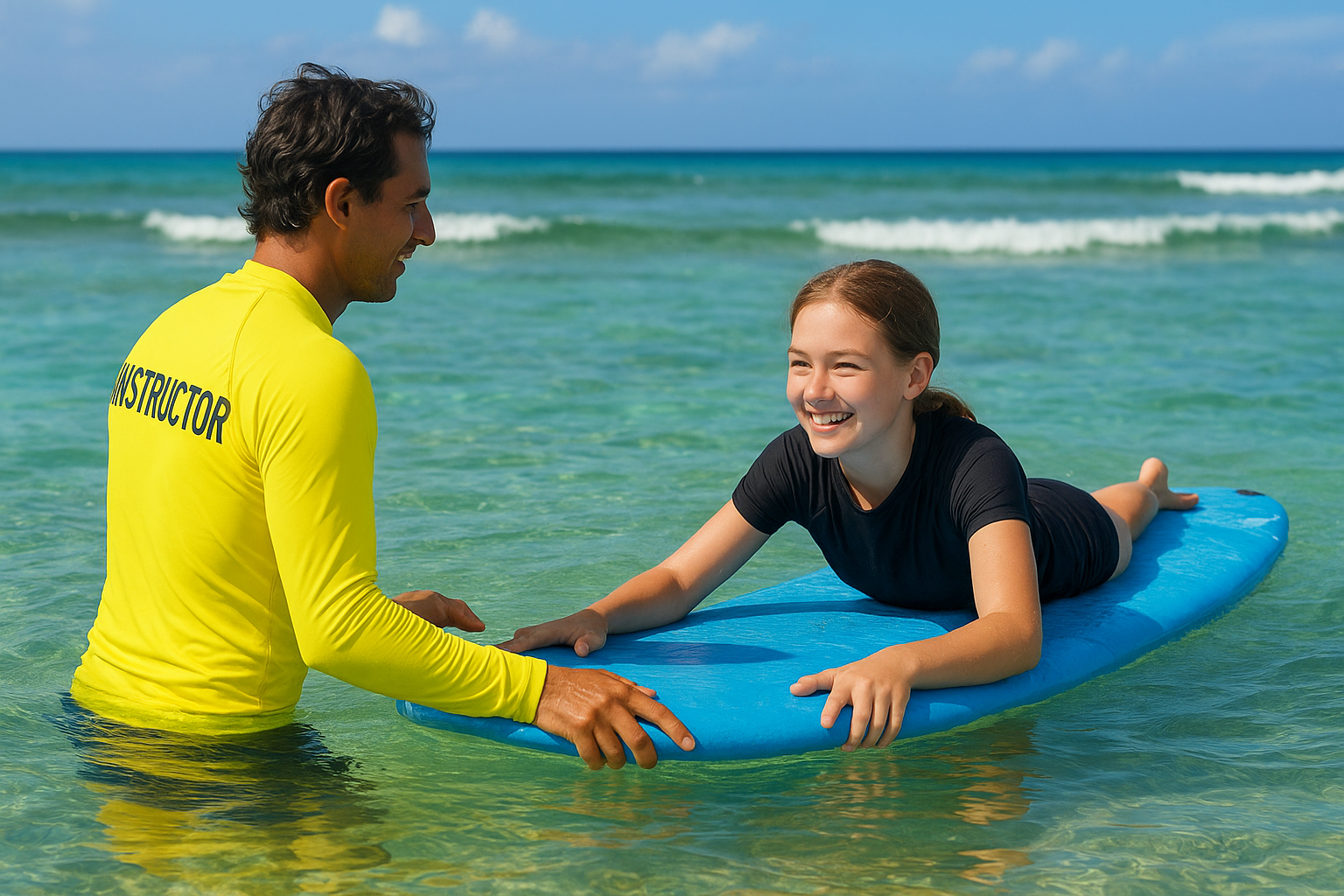
Expert surf instruction at Waikiki’s beginner-friendly breaks turns first-timers into confident wave riders in just one session. beach chair
Frequently Asked Questions About Local Surf Spots Waikiki
What are the best local surf spots in Waikiki for beginners?
The best local surf spots in Waikiki for beginners are Canoes and Queens. Both breaks offer long, gentle, slow-rolling waves that give new surfers plenty of time to stand up and find their balance. Populars is also suitable for beginners who have completed a few lessons.
How big do waves get at Waikiki surf spots?
Waikiki waves typically range from 1 to 4 feet during calm summer swells, making them ideal for learning. Occasionally, south swells push wave faces to 6 feet or more at spots like Populars and Queens.
Is Waikiki good for surfing year-round?
Yes, Waikiki is an excellent surfing destination year-round. Summer months bring consistent south swells that light up the main breaks, while winter can still produce rideable waves, especially at sheltered spots.
What is the Canoes surf break in Waikiki?
Canoes is arguably the most famous beginner surf break in Waikiki, named after the outrigger canoes that have launched from this area for centuries. It produces long, mellow waves that roll in slowly, giving riders a generous amount of time to practice.
Do I need a surf instructor to surf Waikiki?
Beginners are strongly encouraged to take a lesson with a certified surf instructor before paddling out alone. Instructors teach ocean safety, paddling technique, and wave reading skills that dramatically reduce risk and accelerate learning.
What is the Queens surf break in Waikiki?
Queens is a well-loved Waikiki surf break that sits just west of the Royal Hawaiian Hotel. It is known for its consistent, long-period waves and is popular with both beginners and intermediate surfers.
Can kids surf at Waikiki beach?
Absolutely. Waikiki’s gentle, warm-water breaks make it one of the most family-friendly surfing destinations in the world. Many surf schools, including Star Beach Boys, offer lessons specifically tailored for children and families. family snorkel set
How do I rent a surfboard at Waikiki?
Surfboard rentals are widely available directly on Waikiki Beach from multiple vendors and surf schools. Rental prices vary by board type and duration, with soft-top foam boards being the most common and affordable option for beginners.
What is the Publics surf spot in Waikiki?
Publics, also known as Kuhio Beach, is a surf break located near the eastern end of Waikiki Beach. It is a popular spot for intermediate surfers and local riders looking for slightly more powerful waves than Canoes or Queens.
What should I wear when surfing in Waikiki?
A rash guard or lightweight wetsuit top is recommended to protect against sunburn and board rash. Board shorts or a swimsuit complete the outfit, and reef-safe sunscreen is essential in Hawaiian waters.
Are there surf breaks in Waikiki for advanced surfers?
Yes. Spots like Populars and the outer reefs near Waikiki offer more challenging conditions during larger swells. Advanced surfers also venture to nearby breaks outside the main Waikiki zone for more powerful, hollow waves.
What is the best time of day to surf in Waikiki?
Early morning, typically from sunrise to 9 a.m., is generally the best time to surf in Waikiki. The crowds are thinner, the winds are calmer, and the ocean surface is smoother, creating cleaner wave conditions.
Conclusion: Your Guide to the Best Waikiki Waves
The local surf spots Waikiki provides are truly unmatched in their variety, accessibility, and historical significance. From the legendary gentleness of Canoes to the more demanding energy of Populars, there is a perfect break here for every surfer at every stage of their journey. Above all, the key to making the most of Waikiki’s waves is choosing the right break for your current skill level, checking conditions before you paddle out, and — especially if you are new to the sport — learning from a professional instructor who can guide you safely into the ocean. With the right preparation and a spirit of aloha, Waikiki’s surf will leave you with memories that last a lifetime. Add an author bio and a "Last updated" date below to improve credibility and trust.